With the upgrading of domestic egg products, the popularization of animal welfare concepts, and the improvement of export supply chain standards, egg-laying chicken farming is transitioning from the traditional high-density cage farming model to a standardized and diversified welfare farming system. In response to the renovation and new construction needs of different-sized farms, the new generation of intelligent non-cage production equipment has been officially launched, covering complete solutions such as multi-layer flat barn systems, enriched and improved cage farming, outdoor grazing farming, young chicken welfare breeding, and special egg-laying poultry farming. This helps farming enterprises position themselves in the high-end brand egg market, balancing production efficiency, animal welfare, and environmental protection goals.
The non-cage farming equipment system introduced this time is not a single free-range mode, but a product matrix that is tiered and adaptable: for large-scale modernized bases of 100,000 to 500,000 chickens, it provides multi-layer non-cage flat farming systems, scientifically configuring perches, independent egg-laying nests, sand bathing areas and access ramps; for upgrading projects of old chicken houses, it creates enriched and improved cage farming solutions, adding activity spaces, perches, egg-laying corners and pecking and grinding devices on the original factory buildings to achieve welfare upgrades at a lower renovation cost; at the same time, it also provides a grazing system with indoor and outdoor sports fields for small and medium-sized ranches, as well as special welfare facilities for young chickens, from the brooding stage to train the chickens to adapt to the non-cage environment, reducing the risk of ground eggs and pecking feathers, and also adaptable to the individualistic resting and swimming needs of special egg-laying poultry such as egg pigeons and egg ducks, meeting the entry requirements of high-end egg products in supermarkets and cross-border orders.
The entire hardware integrates a full-chain automated control system, equipped with cranes/tray feeding, automatic drinking water, egg collection by conveyor belt, PP belt manure cleaning equipment, and an intelligent environmental control system, precisely controlling the temperature, humidity, ammonia, carbon dioxide and light rhythm of the chicken house; some models are equipped with AI behavior monitoring modules, which can identify abnormal states such as chicken clustering and pecking feathers in real time. Manure is processed through rapid dry-wet separation, connected to the compost resource utilization and field application process, improving the air quality in the house and reducing the probability of foot pad inflammation and disease occurrence. The equipment strictly follows scientific management standards, reasonably controlling the stocking density and combining light regulation and nutrition formula plans, forming a complete closed loop from hardware facilities to management.
From the perspective of production performance, the multi-layer non-cage flat farming reaches an egg production rate of 85-88% during peak periods, with stronger chicken bones and better feather conditions, a longer breeding cycle, and a lower post-production mortality rate; the enriched cage mode has production performance close to traditional cage farming, while significantly improving the health level of chickens. Compared with the traditional mode, non-cage eggs have a 20-50% market premium, helping enterprises create differentiated high-end products, avoiding future international trade barriers, and achieving a win-win situation of ecological and economic benefits. The initial investment and management threshold of the project are relatively high, and the equipment plan can be customized based on the customer's factory conditions, scientifically balancing the breeding scale, investment cost, and management difficulty.

 English

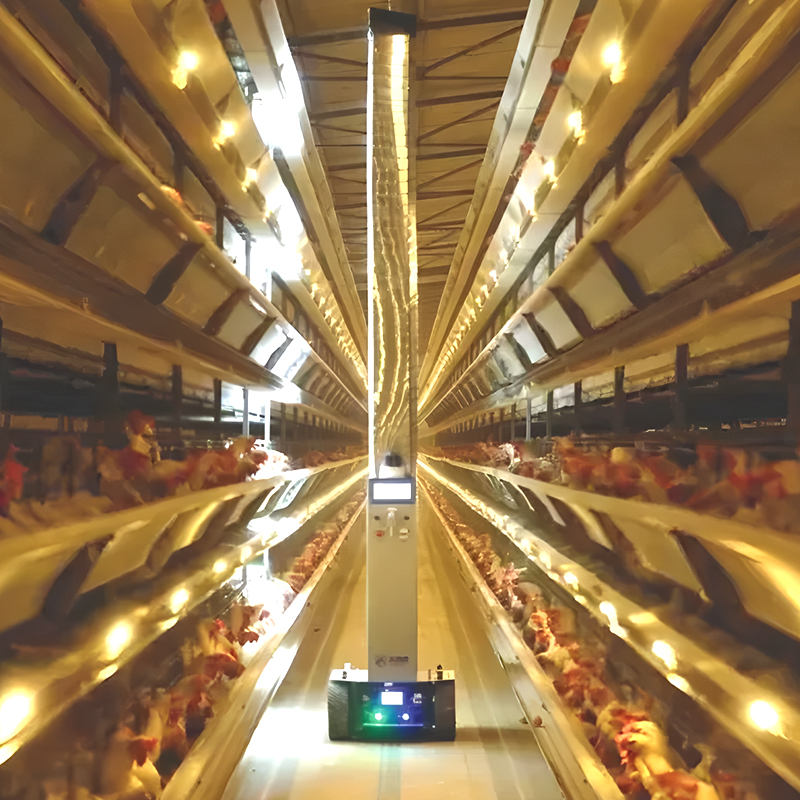 Poultry‑house Inspection Robot
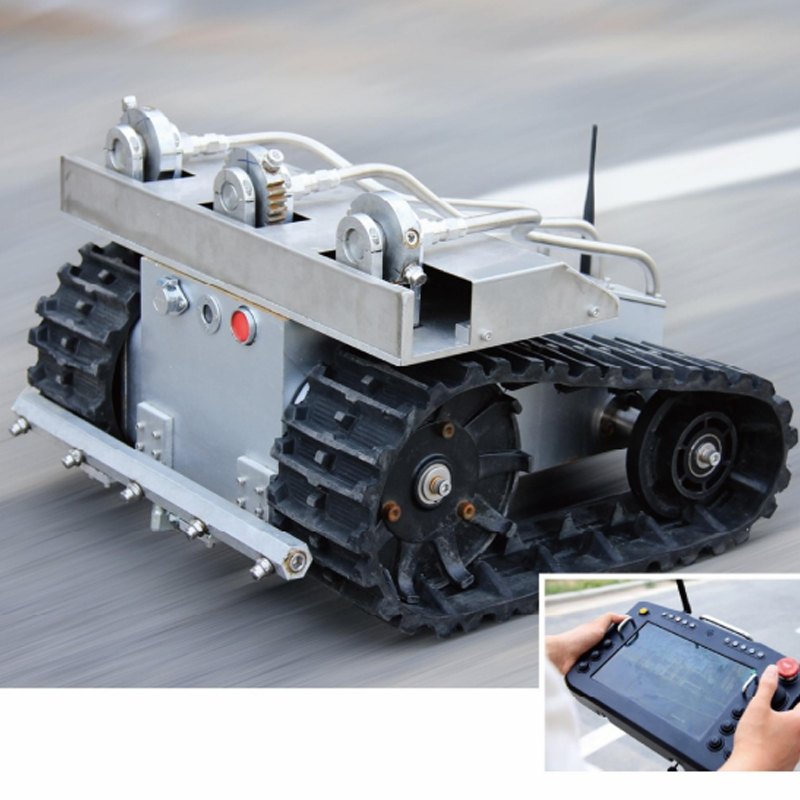 Manure‑channel Cleaning Robot
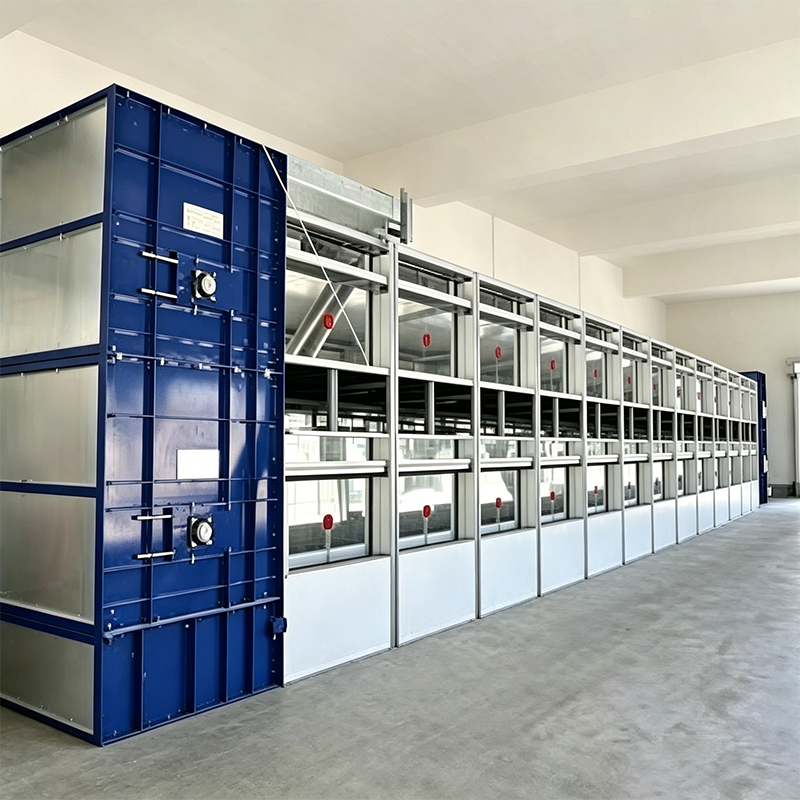 Chicken Manure Air‑dryer
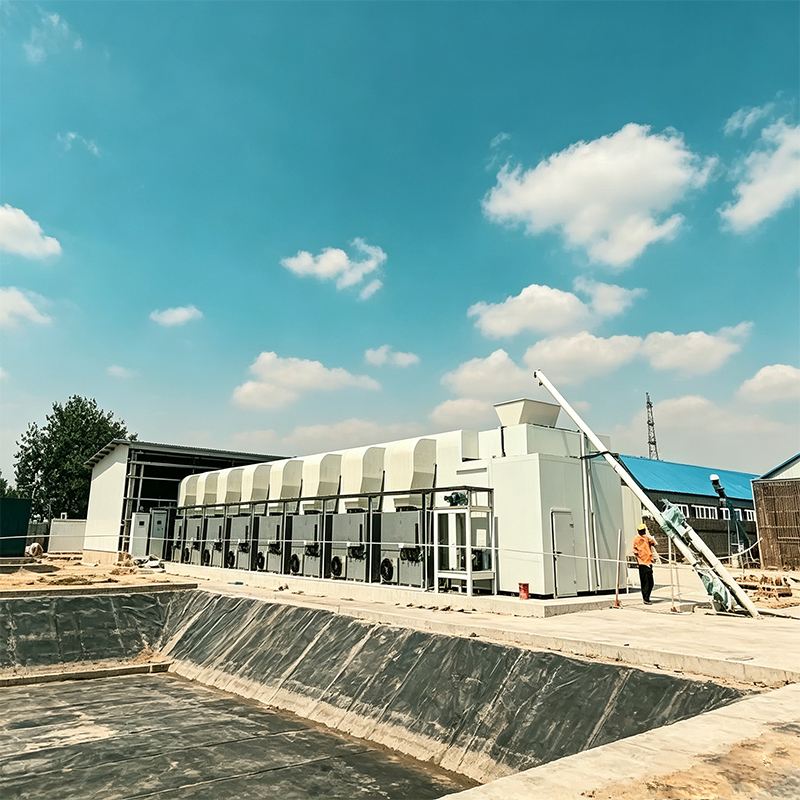 Air‑energy Chicken Manure Dryer
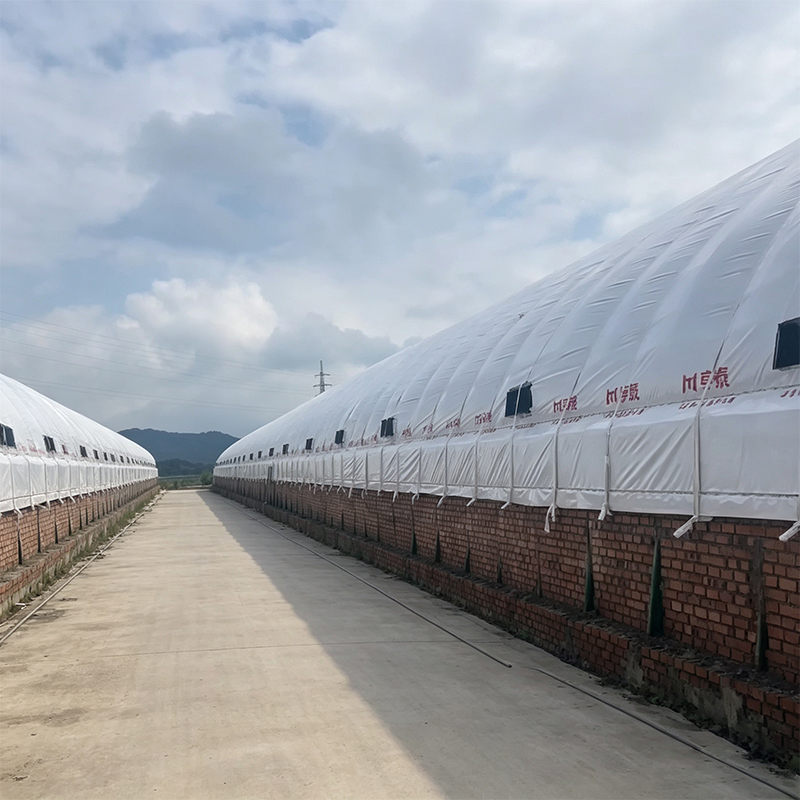 Greenhouse‑type Poultry House
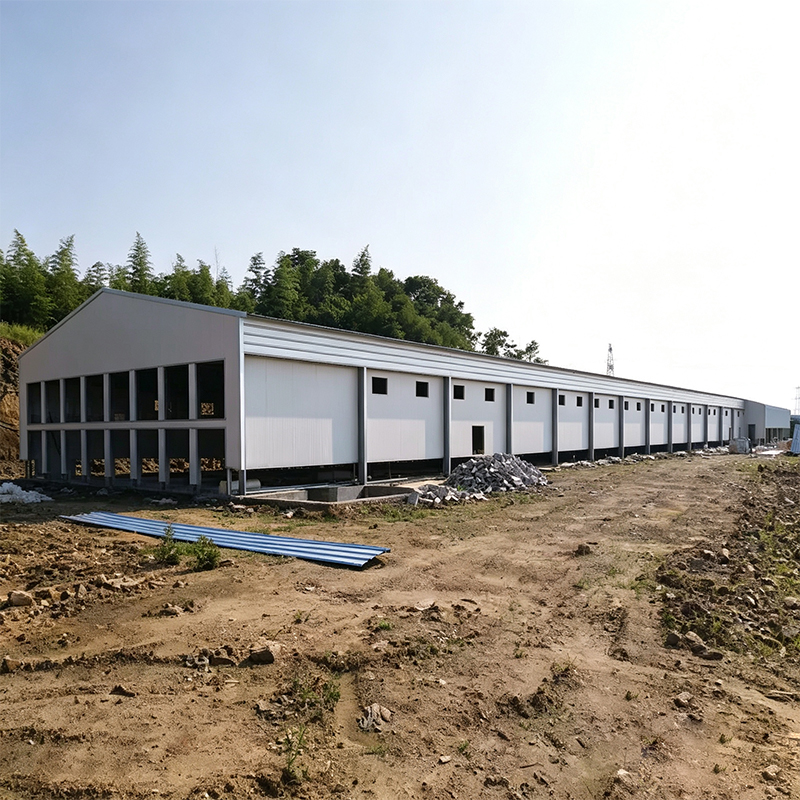 Steel‑Structure Poultry House
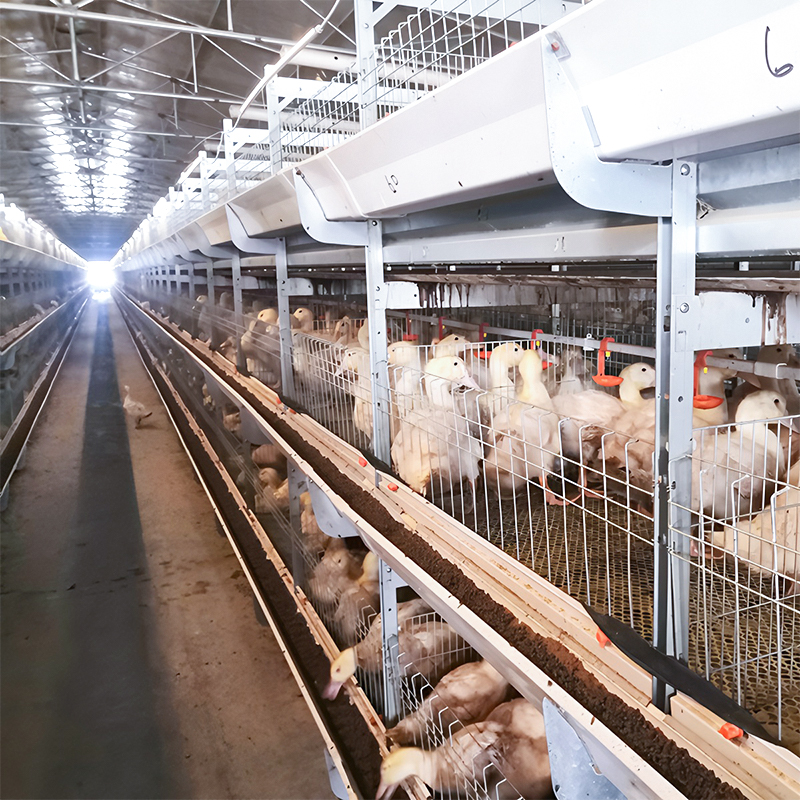 Meat‑duck Cage‑Rearing Equipment
 Broiler Cage‑Rearing Equipment
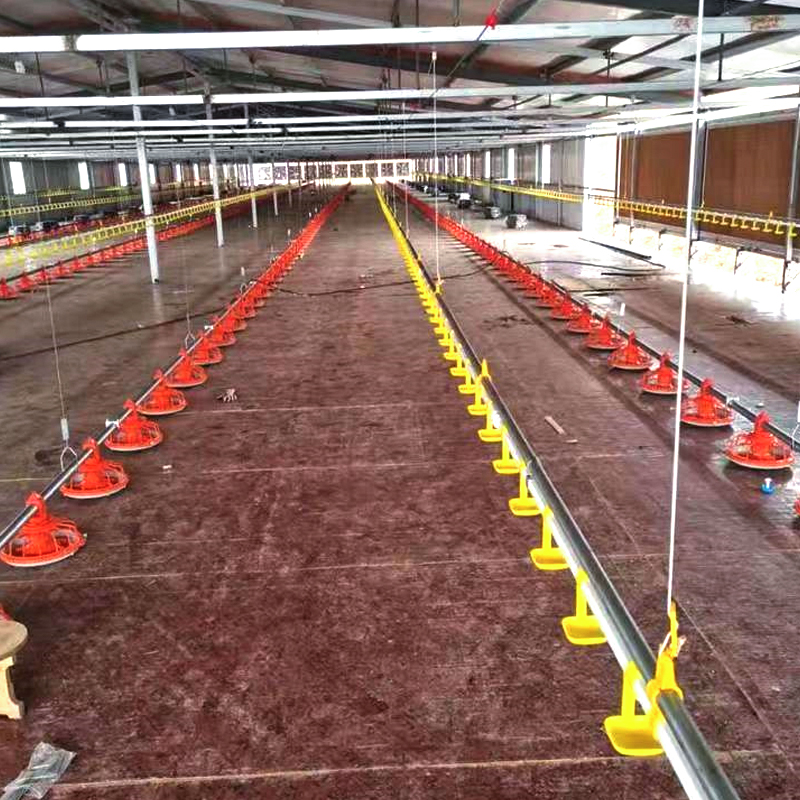 Broiler equipment
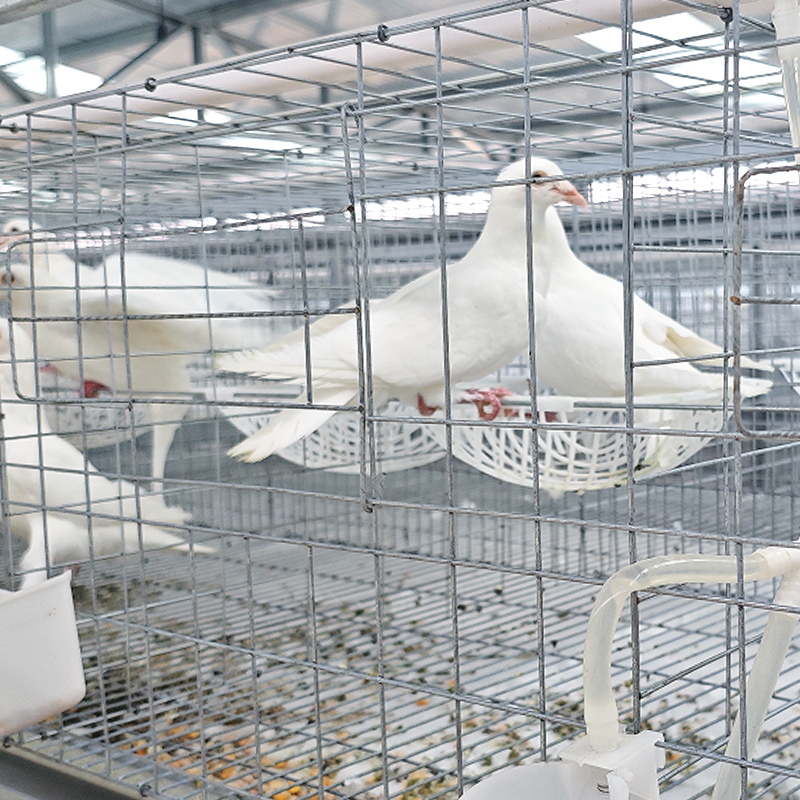 Cage‑reared egg‑breeding pigeons
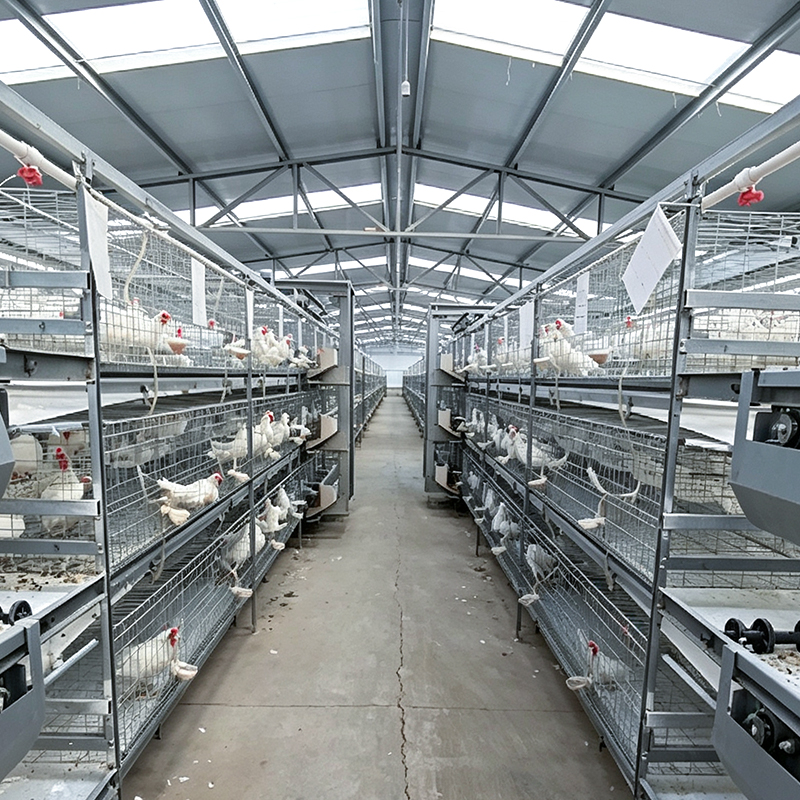 Complete‑set Equipment for Meat Pigeons
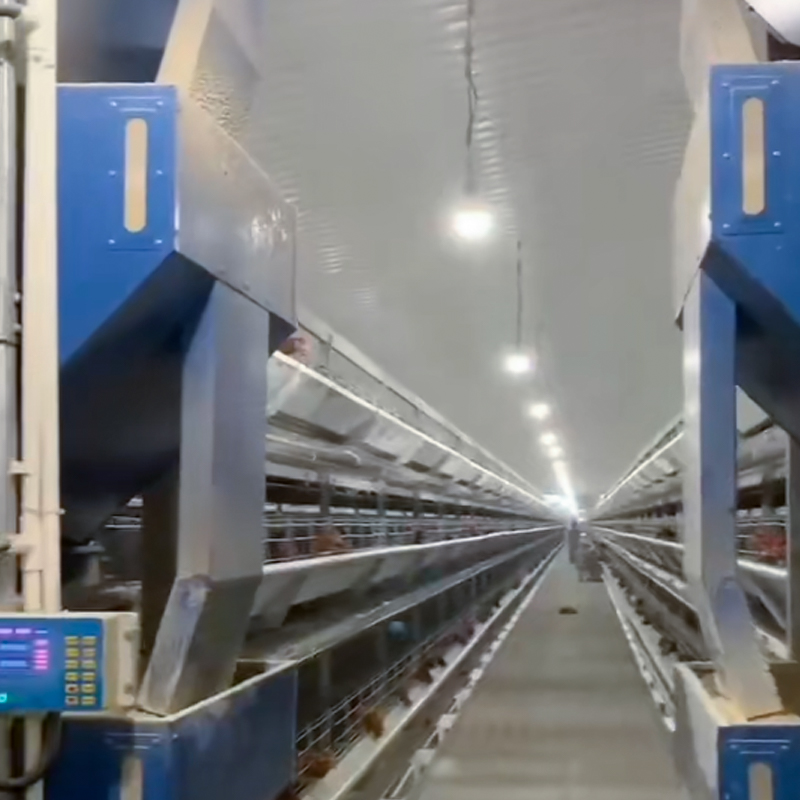 Breeder Cage‑Rearing Equipment
 +86 15995065138
 byu81181@gmail.com
 No. 5, Youlin Avenue, Xuhe, Dongtai, Yancheng City, Jiangsu Province, China