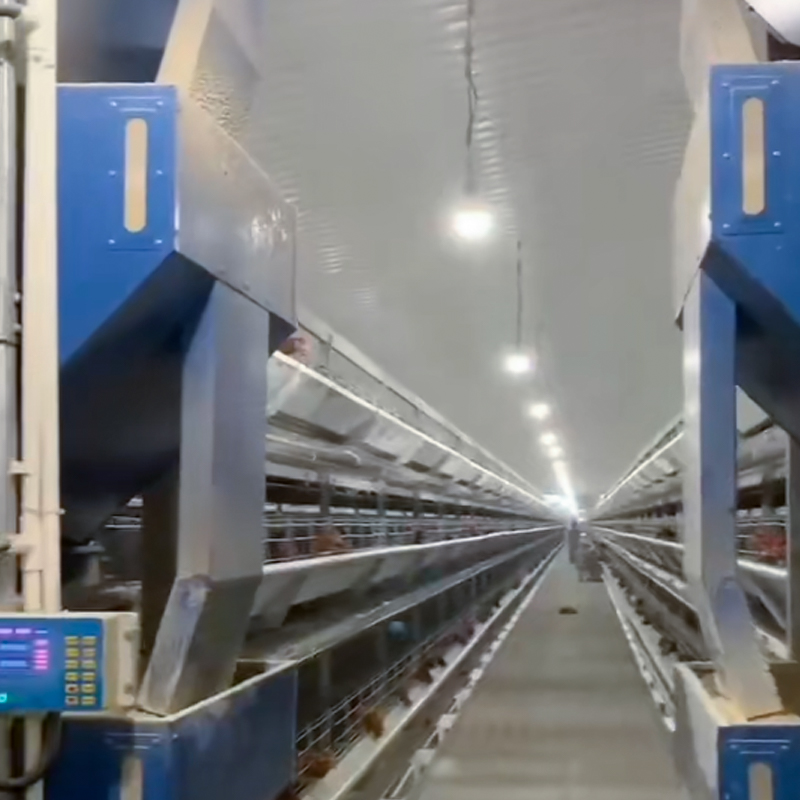
Meat‑duck Cage‑Rearing Equipment

Home / Products / Broiler Equipment / Duck‑Broiler Equipment / Meat‑duck Cage‑Rearing Equipment

Meat‑duck Cage‑Rearing Equipment

I. Application

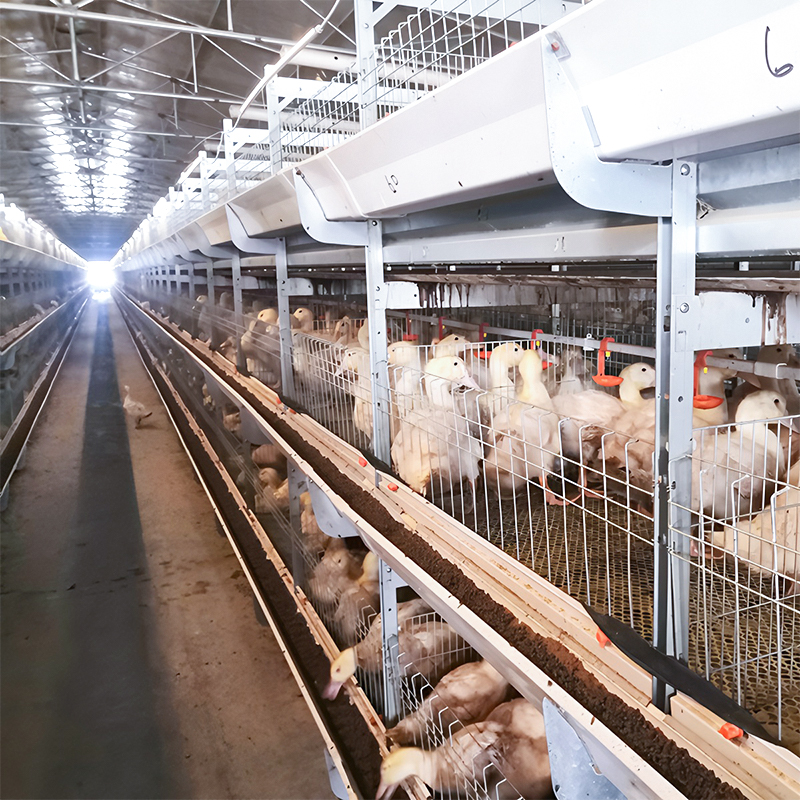
Target breeds: Mainly applied to fast‑growing white‑feathered meat ducks, suitable for large‑scale meat‑duck breeding enterprises, with 20 000‑35 000 birds stocked per single house. It is the preferred solution in regions with limited land resources and strict environmental‑protection regulations. It is less commonly used for Muscovy ducks and Sheldrakes.

Application scenarios: Complete equipment configuration for newly‑built standardised enclosed duck houses; renovation and upgrading of some old elevated‑net‑bed farms. The system can connect with automatic duck‑catching equipment to directly match slaughter‑processing plants.

Configuration tiers: Fully‑automatic high‑end packages or economical simplified configurations are both available. The system can be linked with feed silos for centralised feeding, high‑pressure washing‑and‑disinfection systems, manure resource‑utilisation facilities and cloud‑based monitoring platforms.

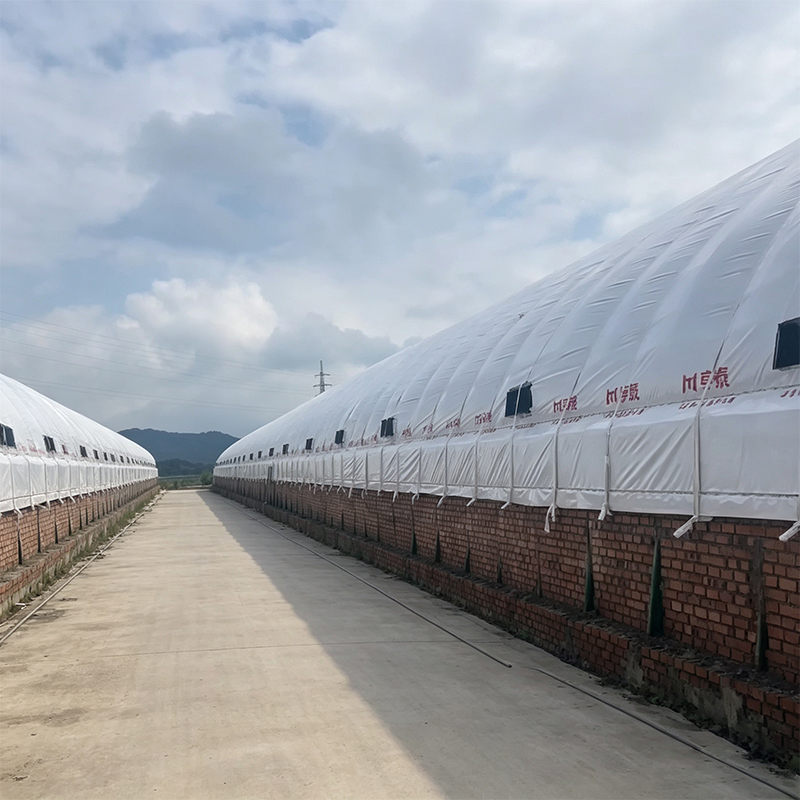
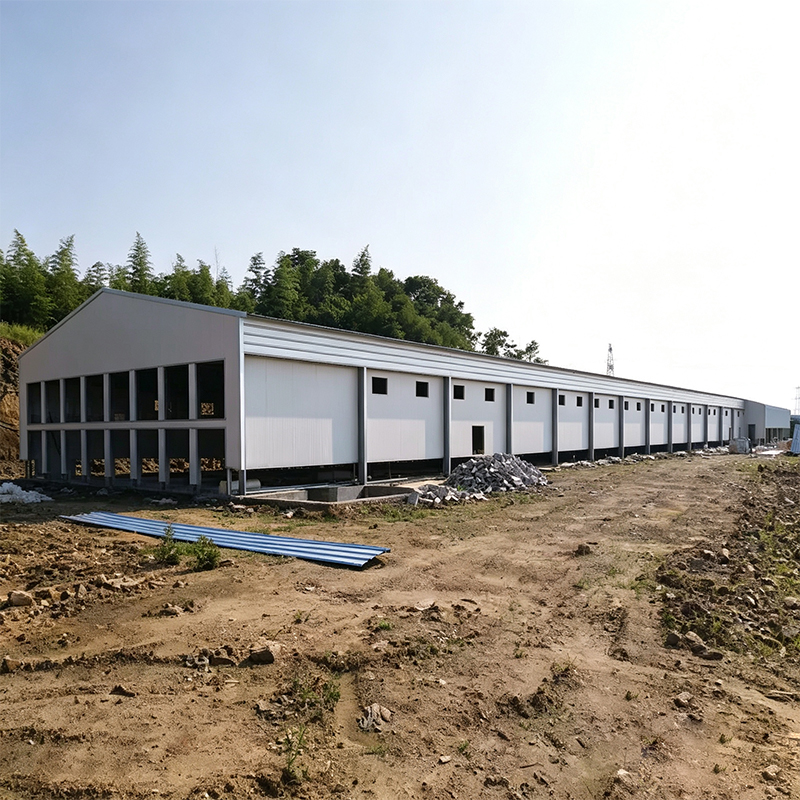
Civil‑engineering requirements: Enclosed steel‑structure insulated duck houses are mandatory, with strict requirements for house air‑tightness and inter‑tier ventilation. Backup generators shall be equipped to avoid massive losses caused by power outages. Drainage inside the house and access passages for manure transportation shall be well‑designed.

Production

Services

Advantages

Objective Shortcomings

II. Production

Core Equipment Components

Stacked cage frame & cage‑body system

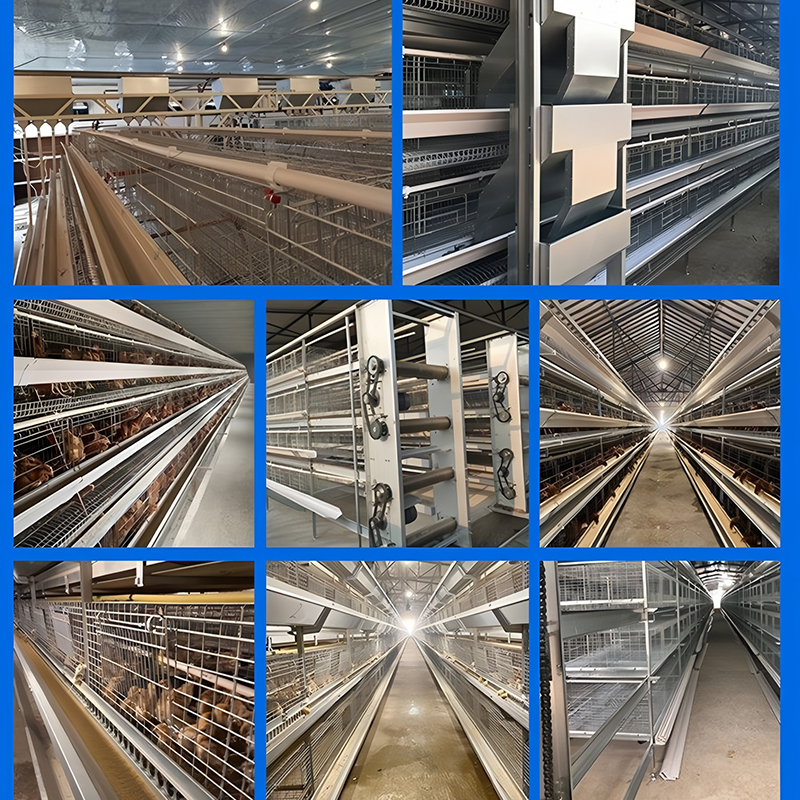
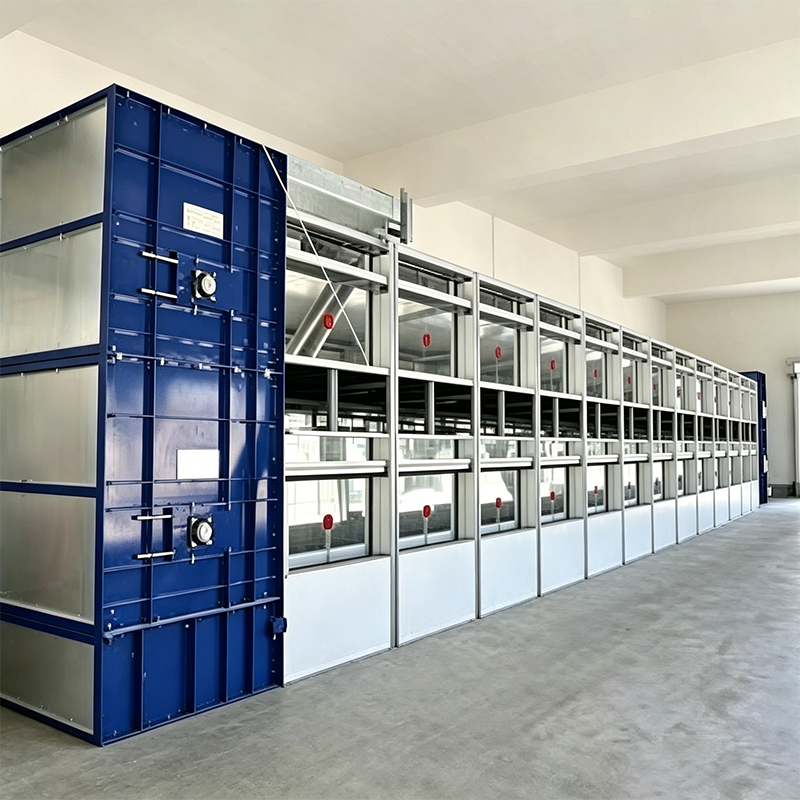
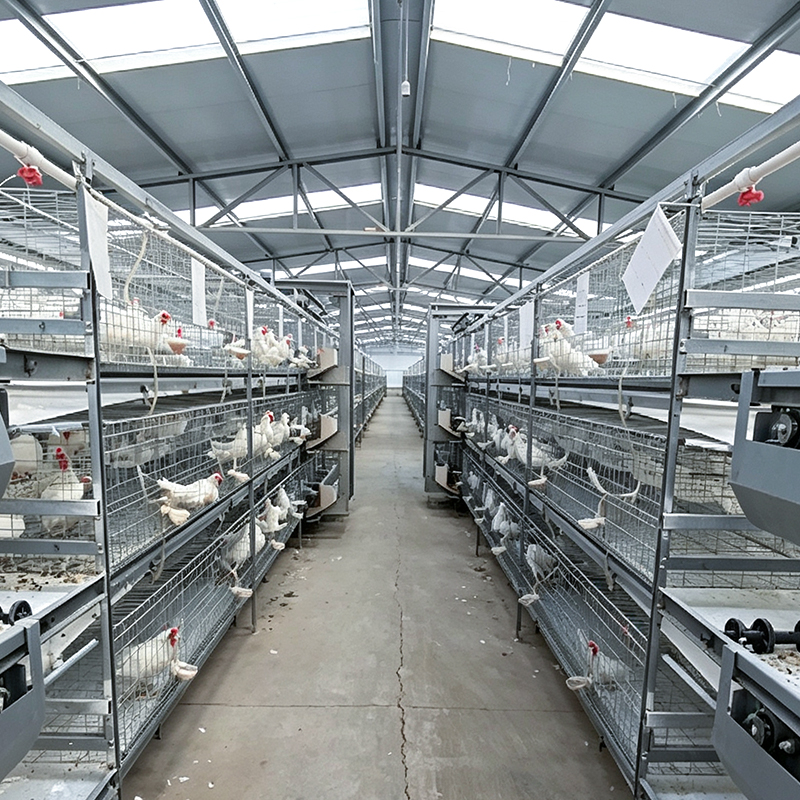
The mainstream design adopts a 3‑4‑tier stacked structure with hot‑dip galvanised anti‑corrosion treatment for a service life of 15‑20 years. Cage dimensions are adapted to the body size of meat ducks. Optimised cage‑bottom mesh together with buffer net pads reduce breast blisters and leg disorders. Large‑opening cage doors facilitate duckling placement and duck catching at slaughter. All components are modular for on‑site assembly. The cage‑frame structure is engineered for inter‑tier ventilation to eliminate stuffy dead zones.

Feeding system

Feed silo paired with pan‑auger or travelling‑cart feeding lines, equipped with widened duck‑specific feed troughs. Feed‑line height can be adjusted electrically to suit birds from ducklings to market age. Anti‑spill structures cut feed losses. The PLC controller delivers timed and metered feed discharge, adjusts feeding volumes at different growth stages and guarantees uniform feed access across the whole house, with low‑feed‑level alarm function.

Drinking‑water system

Height‑adjustable integrated water lines fitted with duck‑specific nipple drinkers and matching water‑collecting trays to prevent water leakage from wetting cage bottoms and manure. Filters and automatic medicators are provided for water‑administered medication and vaccination. Pipelines are easy to flush and disinfect to inhibit biofilm build‑up.

Manure‑removal system

PP manure‑removal conveyor belts with anti‑deviation mechanisms are installed under each tier of cages. The belts run automatically on a timed schedule. Manure is conveyed horizontally and obliquely before being directly loaded onto trucks for off‑site transport. Manure stays dry, indoor ammonia concentration remains low and no litter material is required throughout production.

Environmental‑control system

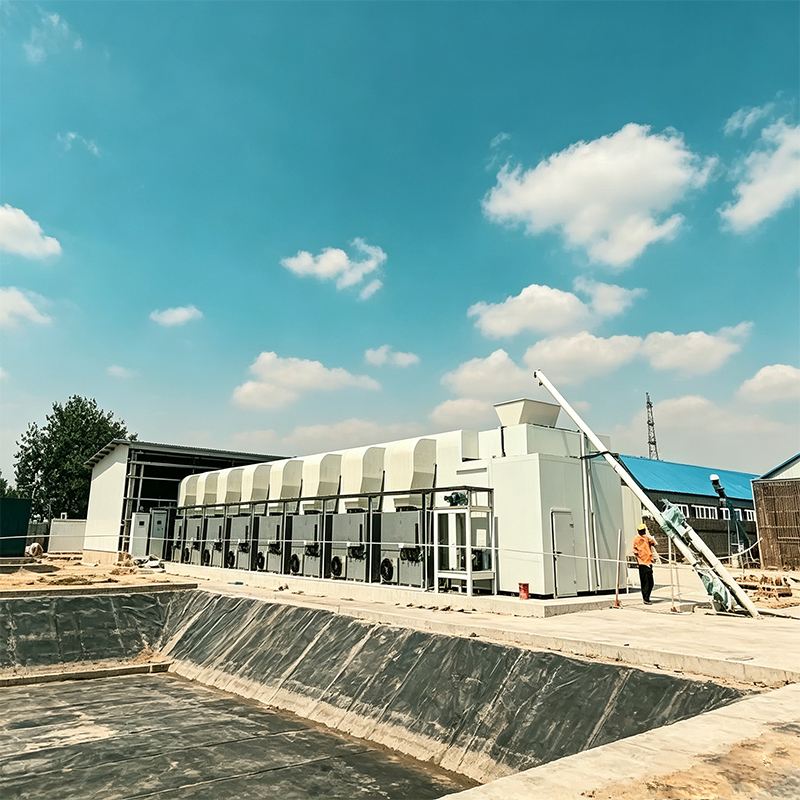
Negative‑pressure exhaust fans, evaporative cooling pads, side‑wall ventilation inlets, water‑heating / hot‑air heating units and lighting system. Inter‑tier ventilation is optimised according to the heat‑dissipation characteristics of meat ducks. Sensors collect temperature, humidity, ammonia and CO₂ data and automatically adjust ventilation, temperature and lighting based on duck age. Both local operation and remote mobile alarm notification are supported.

Intelligent management‑control system

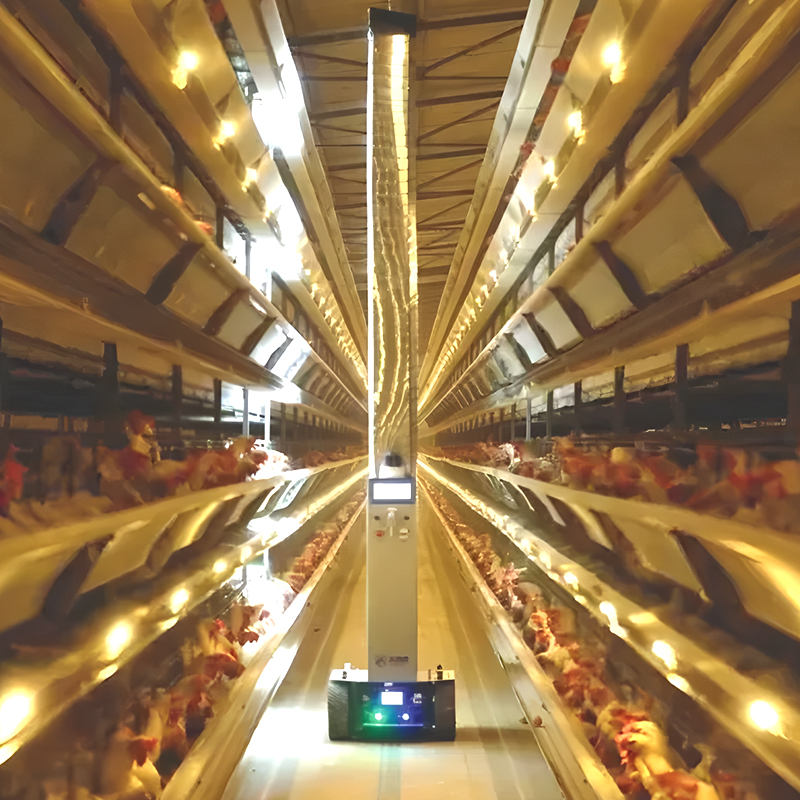
PLC control cabinet, sensors, large‑screen display and cloud platform. The system records feed consumption, water usage, mortality‑and‑culling data and environmental parameters, automatically generates farming reports and realises digital management of the entire farm.

Equipment Production and On‑site Implementation

Factory‑side procedures include sheet‑metal cutting and welding, hot‑dip galvanising anti‑corrosion treatment, plastic‑part injection moulding and electric‑control cabinet assembly. Modular equipment packages are delivered to the project site. Cage frames, feed lines, water lines, manure‑removal units and environmental‑control wiring are installed. No‑load commissioning is carried out first, followed by trial operation with live ducks. The project is handed over for formal production only after all process parameters reach the standard.

III. Services

Pre‑project planning: On‑site survey of duck houses, cage‑position layout, ventilation thermal‑calculation (with emphasis on inter‑tier ventilation verification), equipment selection, delivery of complete project proposals and assistance with investment estimation.

Installation and commissioning: Professional on‑site assembly team, water‑electricity‑gas connection, configuration of feeding, temperature, ventilation and lighting parameters for different duck ages.

Personnel training: Training for stockmen and equipment maintenance technicians, covering equipment operation, routine inspection, fault handling and standard operating procedures (SOP) for duck‑house washing and disinfection, with special focus on ventilation‑management key points for caged meat ducks.

After‑sales operation & maintenance: 7×24‑hour technical support, supply of wearing parts, periodic return‑visit inspections, remote troubleshooting for feed‑line, environmental‑control and manure‑belt faults, and provision of equipment‑maintenance manuals.

Value‑added services: Renovation and upgrading of ageing duck houses; supporting schemes for automatic duck‑catching and manure‑treatment systems; supply of technical documentation required for project acceptance.

IV. Advantages

High land‑use efficiency: Multi‑tier vertical rearing achieves a stocking capacity 2‑3 times that of floor‑rearing within the same duck‑house area, saving land resources and amortising civil‑engineering costs.

Reduced labour costs: Full automation of feeding, drinking‑water supply, manure removal and environmental‑control systems. Only a small workforce is required for a duck house holding tens of thousands of birds, lowering labour intensity and human‑induced stress on ducks.

Litter‑free production and improved biosecurity: Real‑time manure removal via conveyor belts keeps ducks separated from faeces, lowering the incidence of serositis, coccidiosis and other diseases. Litter‑procurement costs are eliminated and indoor dust levels are reduced.

Stable production performance: Precise enclosed environmental‑control maintains low ammonia levels inside the house, improving survival rate, optimising feed‑conversion ratio and delivering highly uniform market‑weight ducks, which suits standardised slaughter‑processing requirements.

Easy manure resource‑utilisation: Dry manure is collected centrally and transported off‑site to be processed into organic fertiliser, reducing environmental‑protection pressure.

Strong standardised replication capability: Strict all‑in‑all‑out batch management enables fast batch turnover, making the model suitable for large‑scale expansion and duplication by major enterprises.

Objective limitations: The one‑time capital investment is considerably higher than for net‑bed floor‑rearing. Extremely strict requirements apply to duck‑house air‑tightness, ventilation performance and power‑supply reliability. The unique heat‑dissipation traits of meat ducks demand high‑level environmental‑control commissioning skills. Multiple maintenance points require dedicated professional operation‑and‑maintenance staff.

  • How long will it take to receive a reply after placing the inquiry?
  • Are you a factory or a trading company?
  • What products do you mainly offer?
  • Which fields does the product mainly apply to?
  • Do you support customized production?
  • Do you produce standard parts?
  • How is the company's production capacity?
  • What is the size of the company and its personnel structure?
  • How to ensure product quality?
  • What are the payment methods?
  • How to arrange the transportation of goods?
  • We can provide you with a satisfactory plan!

    What's your name?

    What's your email address?

    What's your telephone?

    Your message

    SEND
    About
    Jiangsu Huinong Jingmu Technology Co., Ltd.

    HuiNong specializes in the design, manufacturing and supply of automated poultry farming equipment. Focusing on broiler, layer, breeder and duck farming, we provide reliable equipment solutions covering housing systems, feeding and drinking systems, climate control systems and manure management systems.

    With professional engineering capabilities and flexible manufacturing resources, HuiNong helps customers select suitable equipment configurations based on farm scale, production requirements and investment plans, supporting the construction of efficient and reliable poultry farms worldwide. 

    Certificate of Honor
    News
    Duck‑Broiler Equipment Industry knowledge