II. Production System and Process
Core Automated Hardware
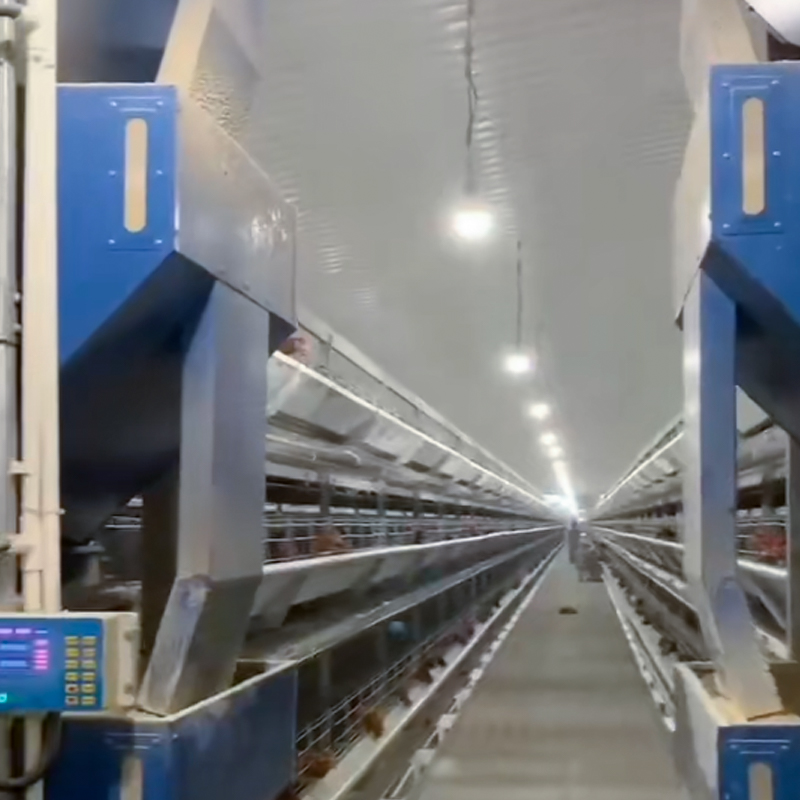
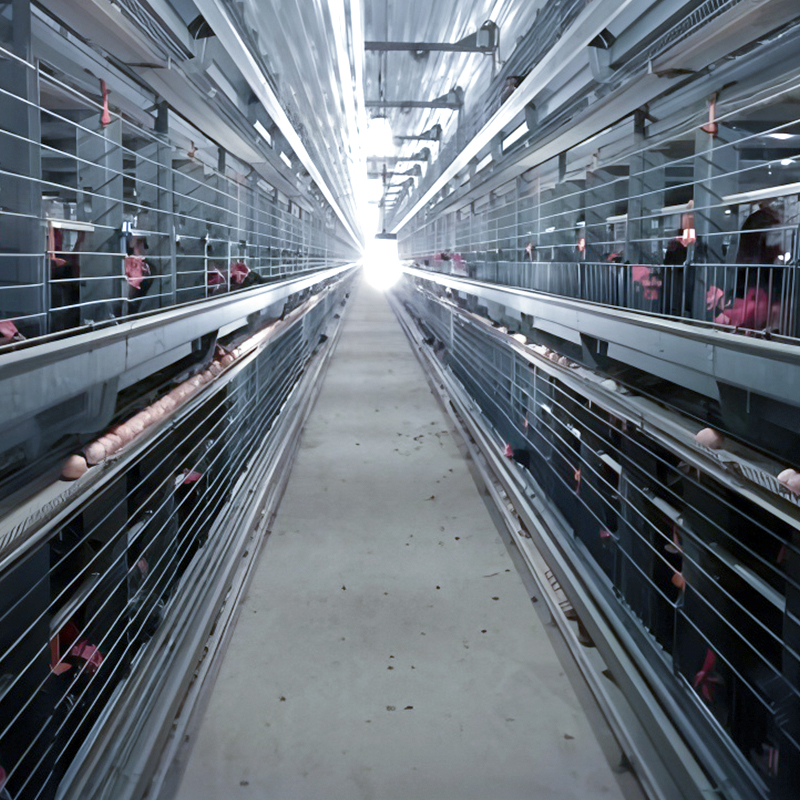
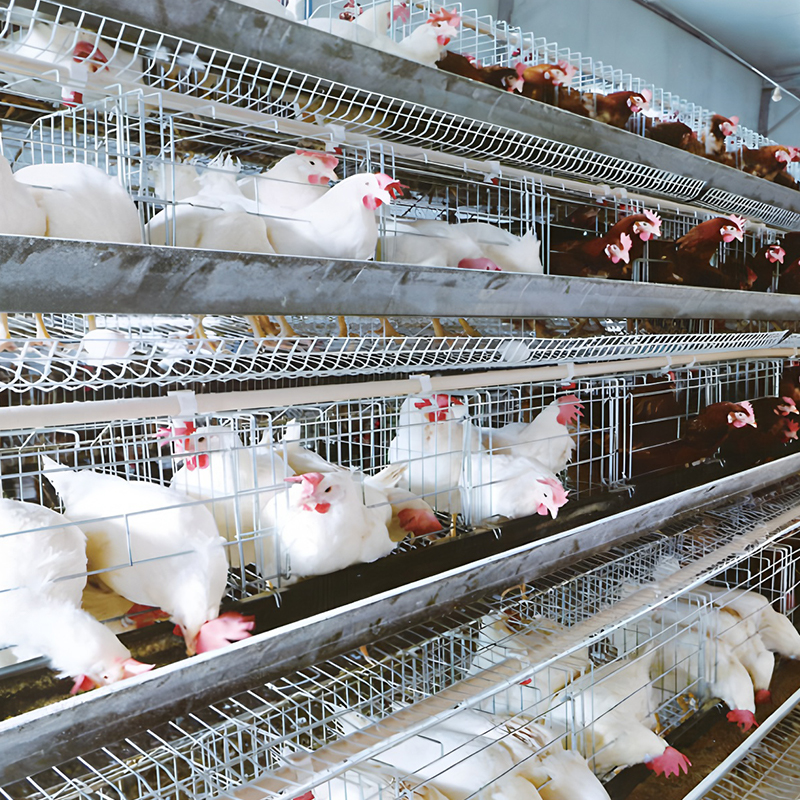
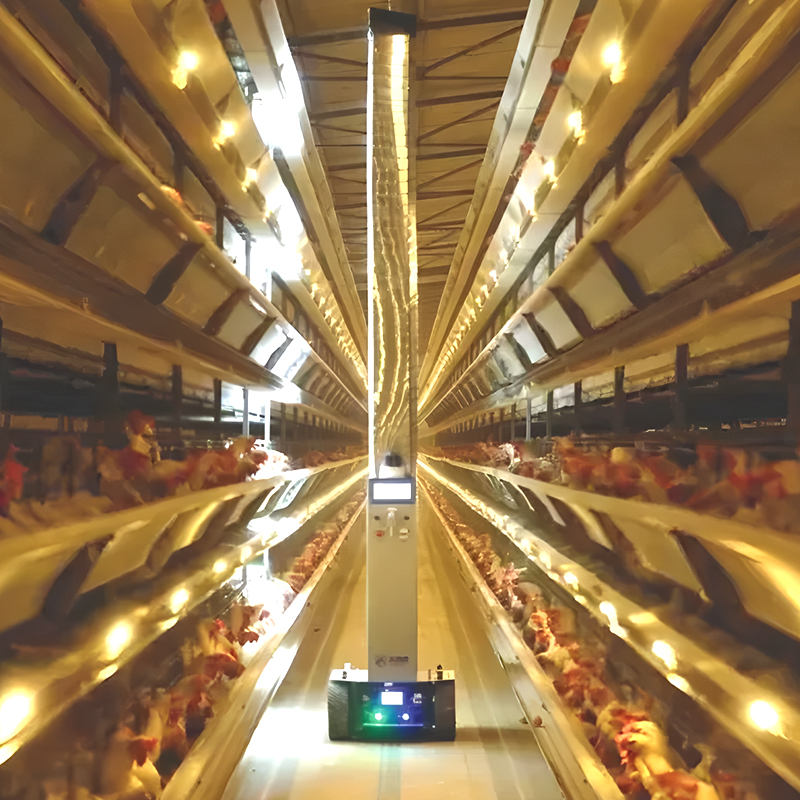
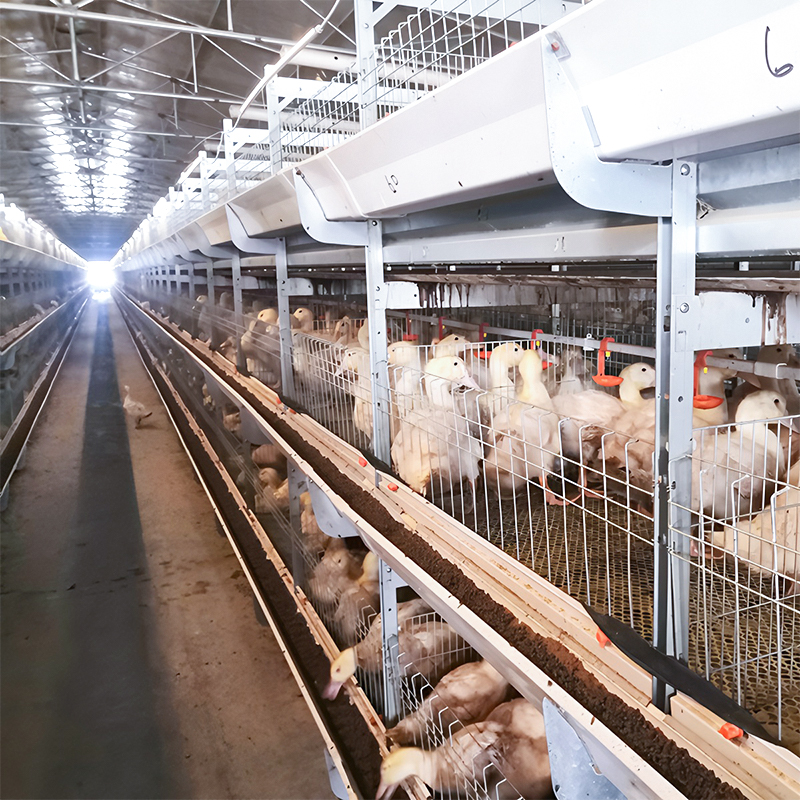
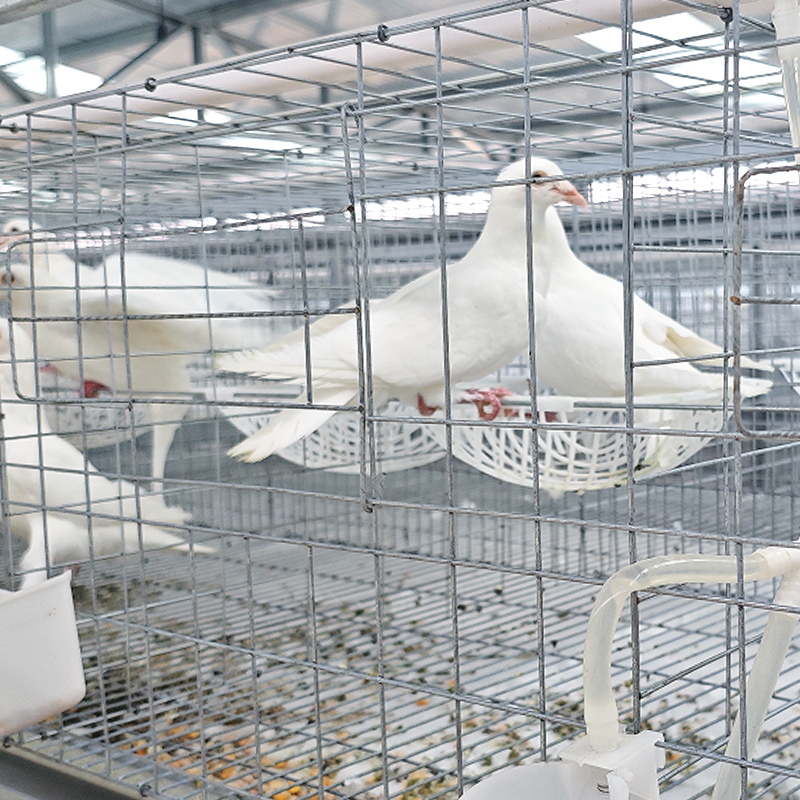
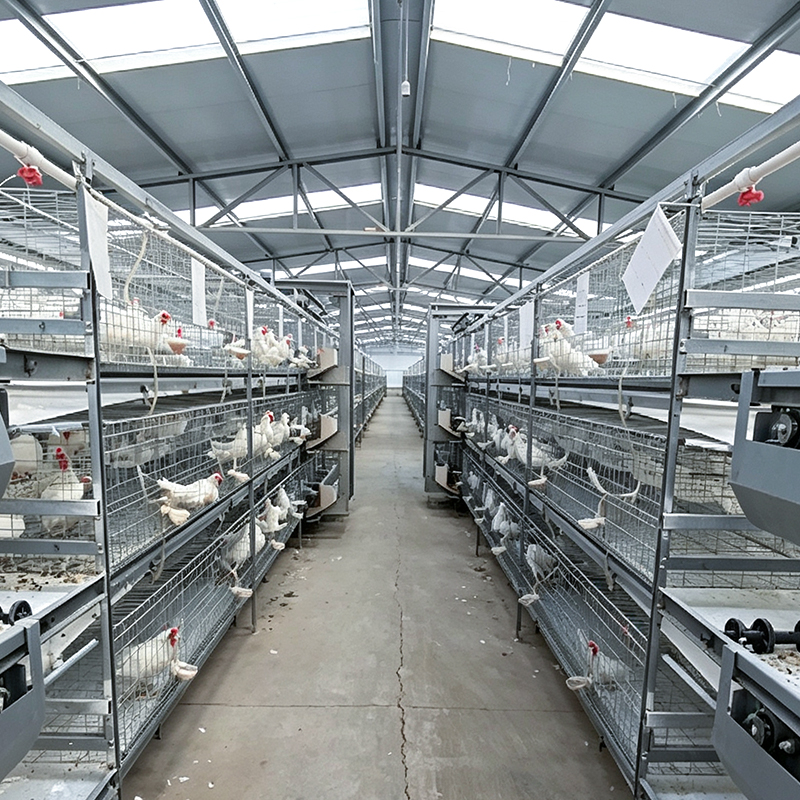
Cage system: Special‑purpose breeder cages. Cage‑door structure is designed for easy bird‑catching during artificial insemination. Cage dimensions match breeder body size to avoid crushing injuries.
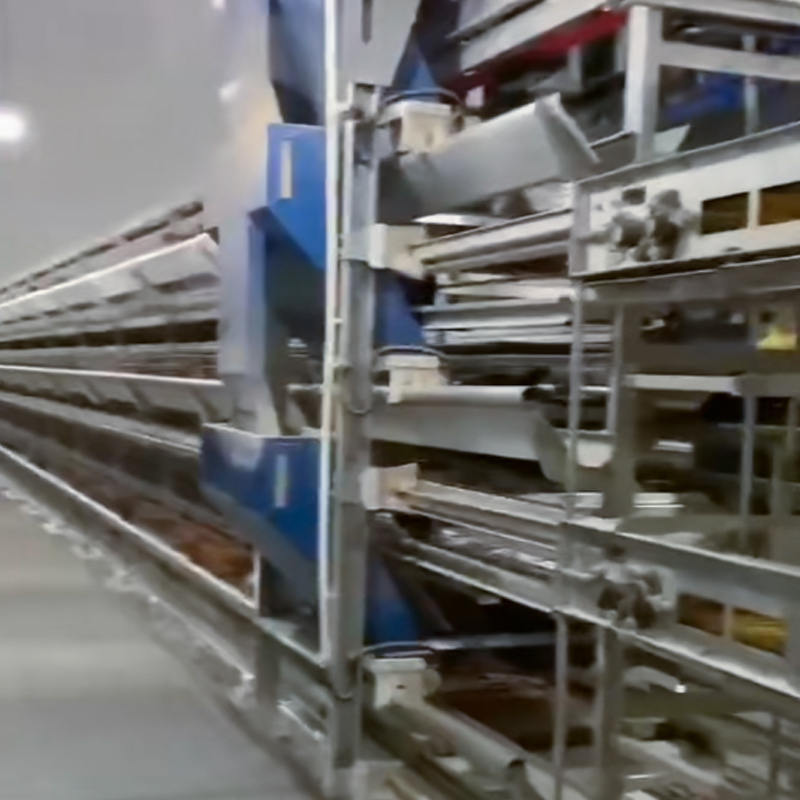
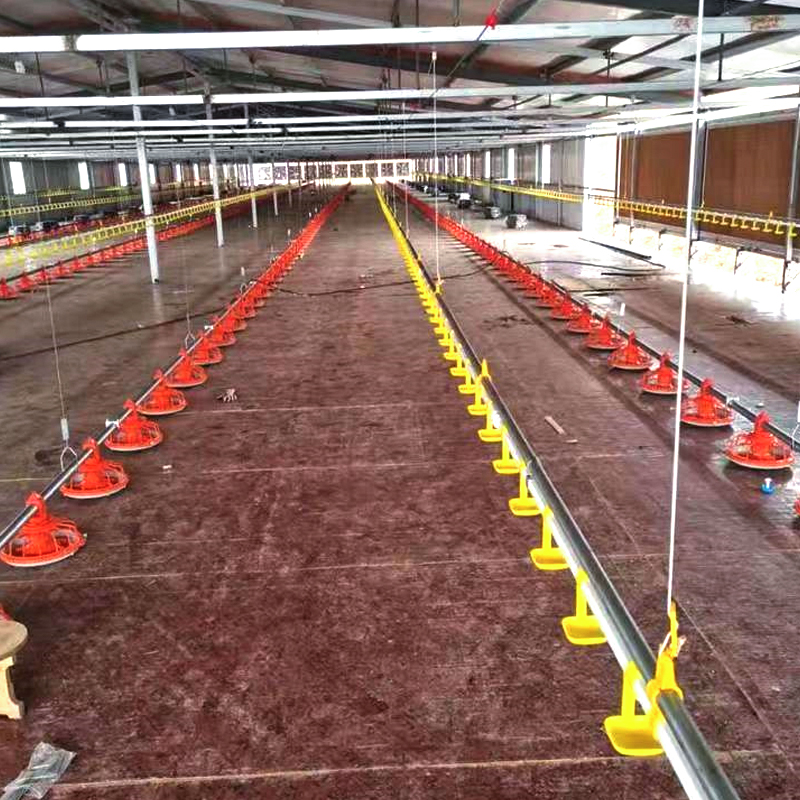
Feeding system: Feed silo + pan‑auger / chain‑driven feeding lines. Feed troughs are fitted with feed‑level monitoring sensors for precise feed restriction. Body weight and weekly weight‑gain curves are strictly controlled, as breeders are extremely sensitive to weight management.
Drinking‑water system: Height‑adjustable nipple drinking lines equipped with pressure‑regulating devices to ensure uniform water pressure across all cages.
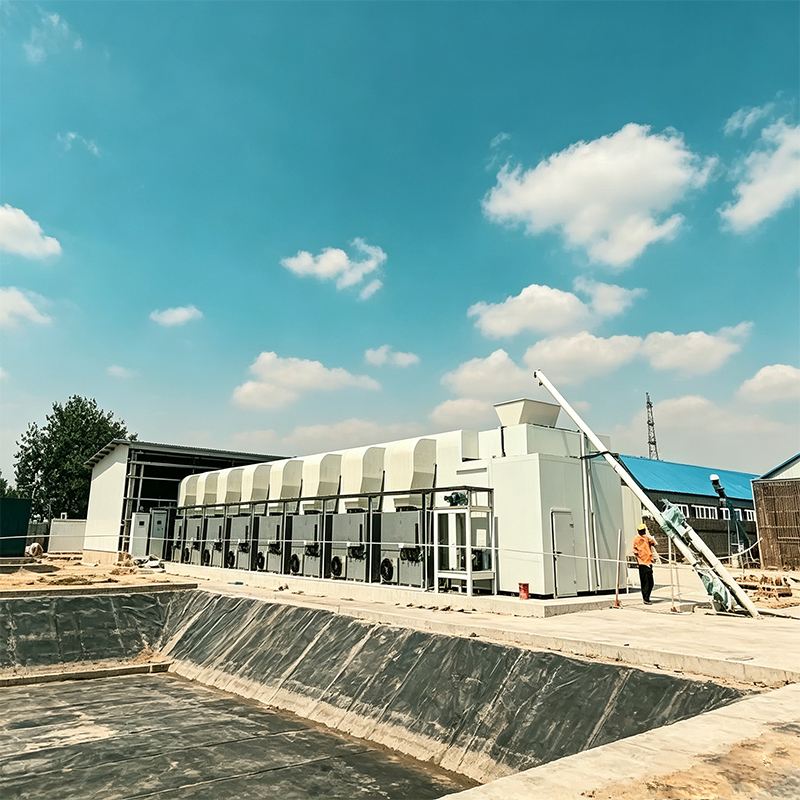
Manure‑removal system: Stacked cages are fitted with horizontal PP manure belts. Step‑type cages commonly adopt scraper‑plate manure removal. Manure is transported out of the house promptly to reduce ammonia concentration indoors.
Automatic egg‑collection system: Egg troughs + longitudinal egg‑collection belts deliver eggs to the egg‑sorting station. Cracked and dirty eggs are manually sorted to prevent secondary contamination of hatching eggs.
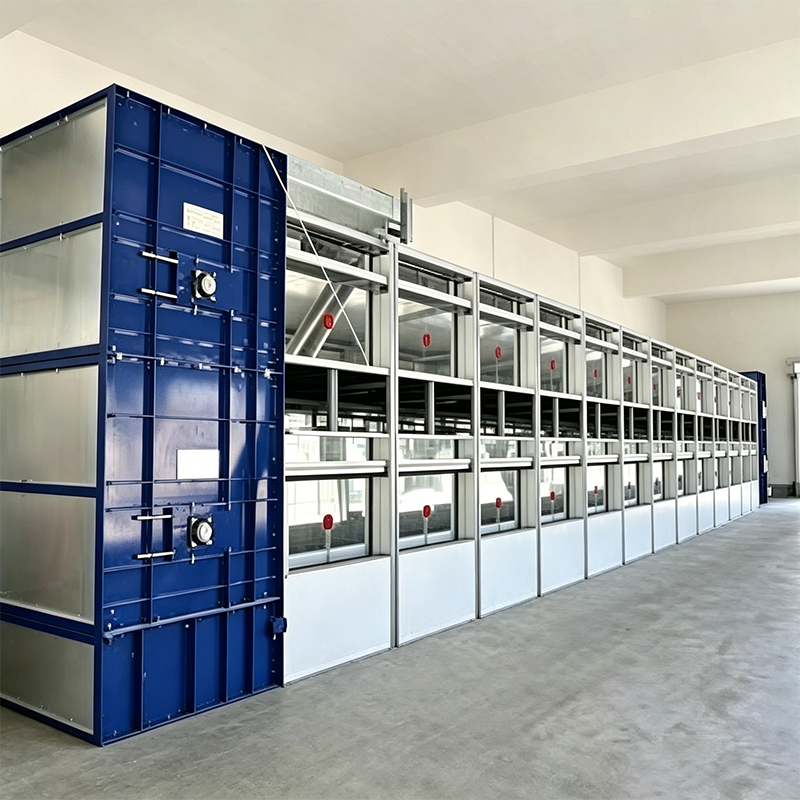
Environmental‑control system: Fans, evaporative cooling pads and negative‑pressure ventilation. Monitors temperature, humidity, ammonia, CO₂ and lighting duration. A central control screen links all equipment to realise automatic indoor environment regulation.
Auxiliary facilities for artificial insemination: Single‑cage housing for roosters, semen‑testing equipment and dedicated insemination workstations.
Key Production & Management Guidelines
Stocking density and cage standards: Follow official breeder‑cage stocking specifications strictly. Overcrowding shall be avoided to prevent feather‑pecking and injuries. Roosters are housed separately in single cages for convenient semen collection.
Artificial insemination workflow: Rooster semen collection, semen‑quality inspection, semen dilution and hen insemination. Maintain a fixed insemination interval, normally once every 4‑5 days. Thoroughly disinfect all tools to prevent cross‑infection.
Body‑weight uniformity management: One major advantage of cage‑rearing is convenient group weighing and regular culling of off‑weight birds. Keeping flock body weight on the standard curve directly determines peak‑lay persistence and fertility rate.
Lighting programme: Implement a strict breeder lighting schedule to control sexual maturity onset and sustain peak egg production.
Disease‑prevention priorities: Poor disinfection of AI tools may trigger hen reproductive‑tract inflammation. Carry out vaccination and antibody monitoring, and promptly remove injured or weak birds.
Hatching‑egg management: Collect eggs in time, carry out egg grading and dirty‑egg treatment, and control temperature and humidity in the egg storage room to guarantee hatchability.
Production‑Performance Reference
Stocking capacity per unit building area is far higher than floor‑rearing. Fertility rate can reach 88‑93 % with proper management. Continuous labour input for the artificial‑insemination team is required. Hens face a risk of reproductive‑tract injury, which may increase mortality. Excellent feed‑to‑egg ratio and high hatching‑egg cleanliness. Floor‑laid eggs are almost eliminated.

 English