Breeder Floor‑Rearing Equipment

Home / Products / Poultry‑Egg Equipment / Breeder Equipment / Breeder Floor‑Rearing Equipment

Breeder Floor‑Rearing Equipment

I. Main Application Scenarios

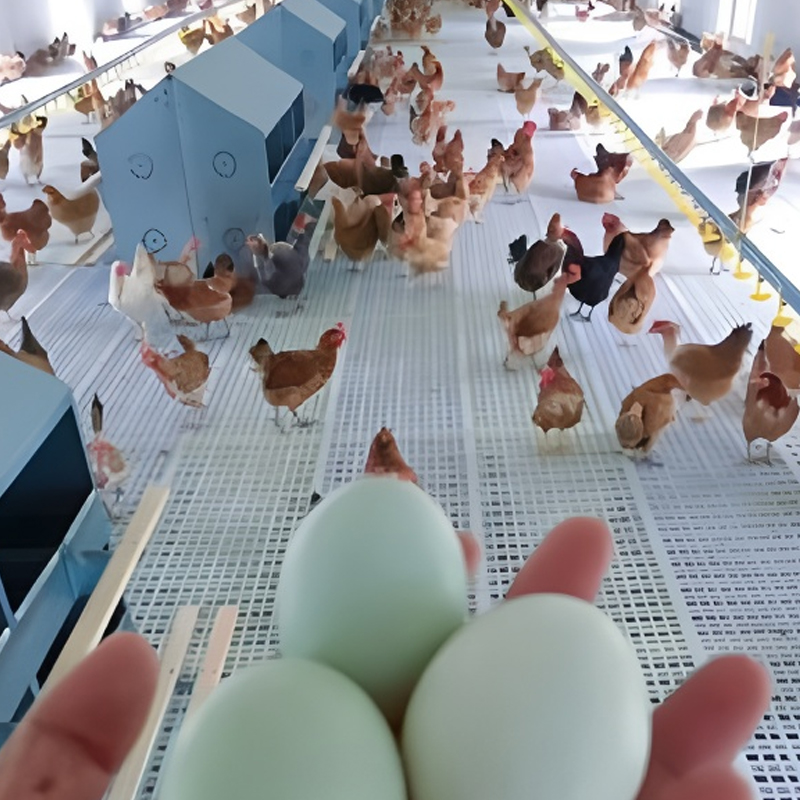
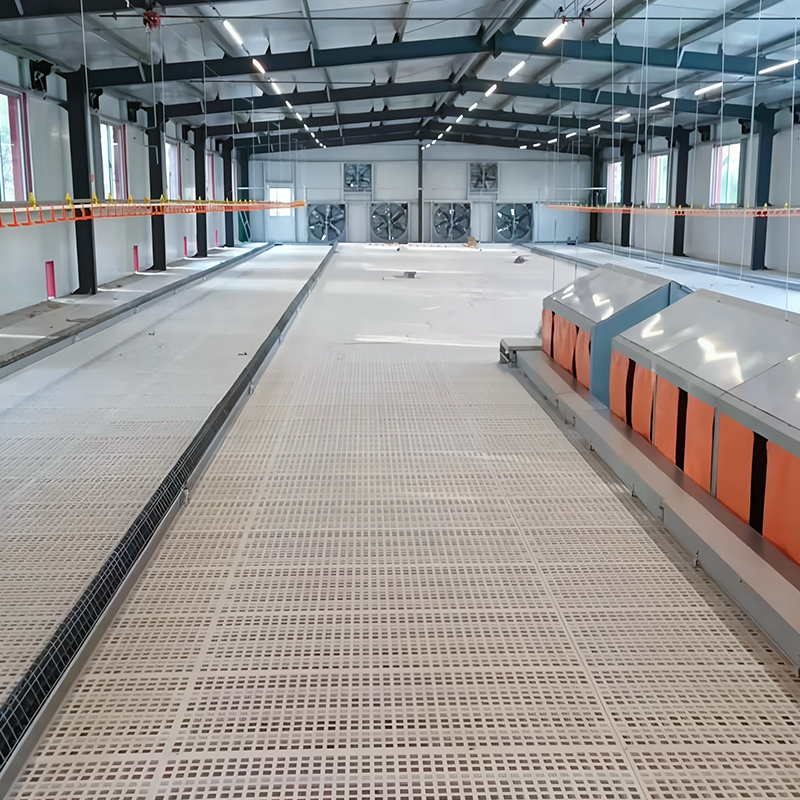
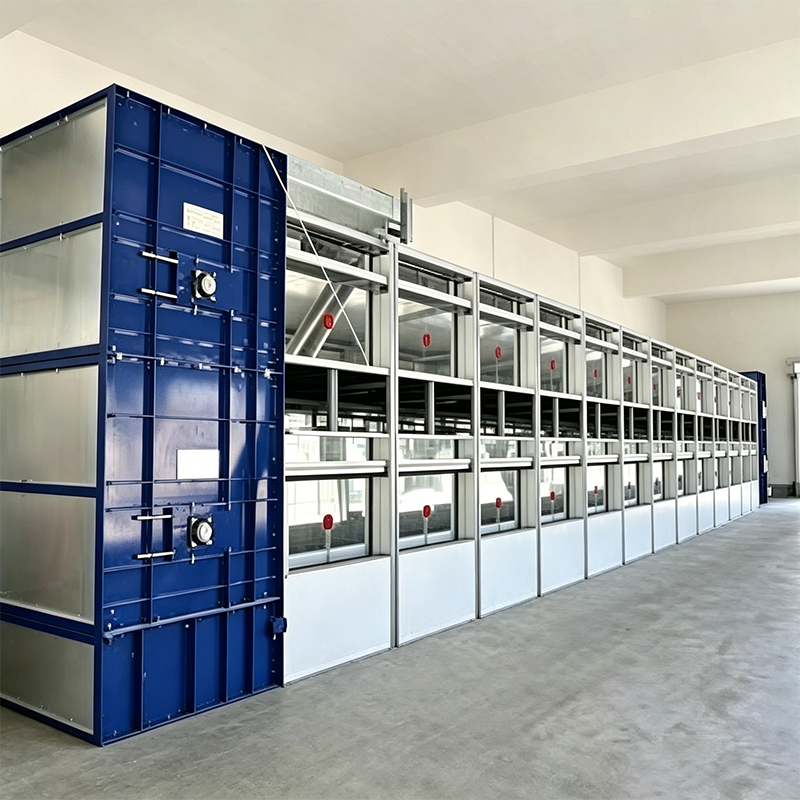
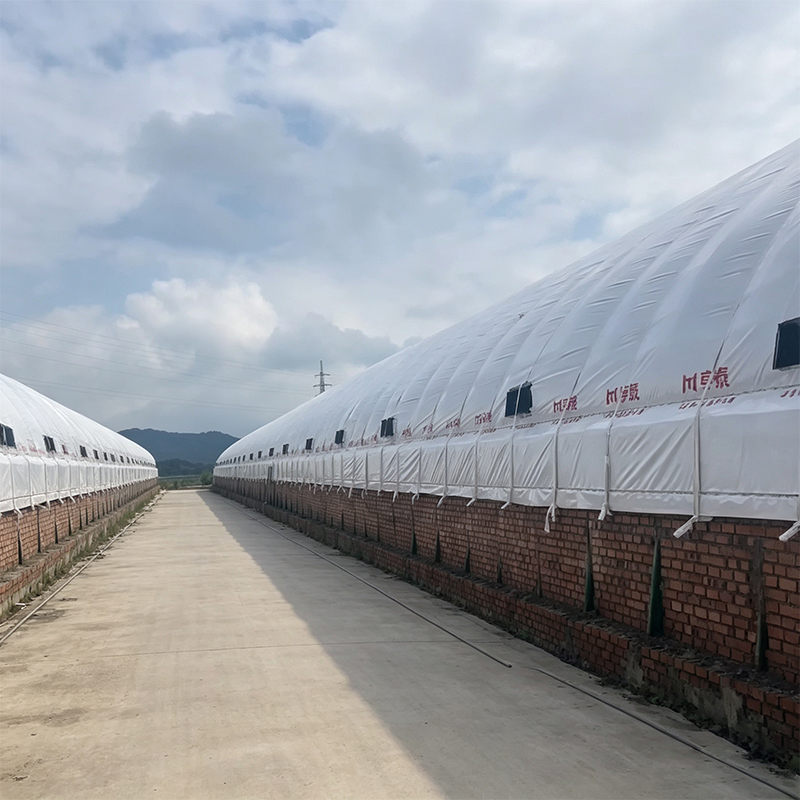
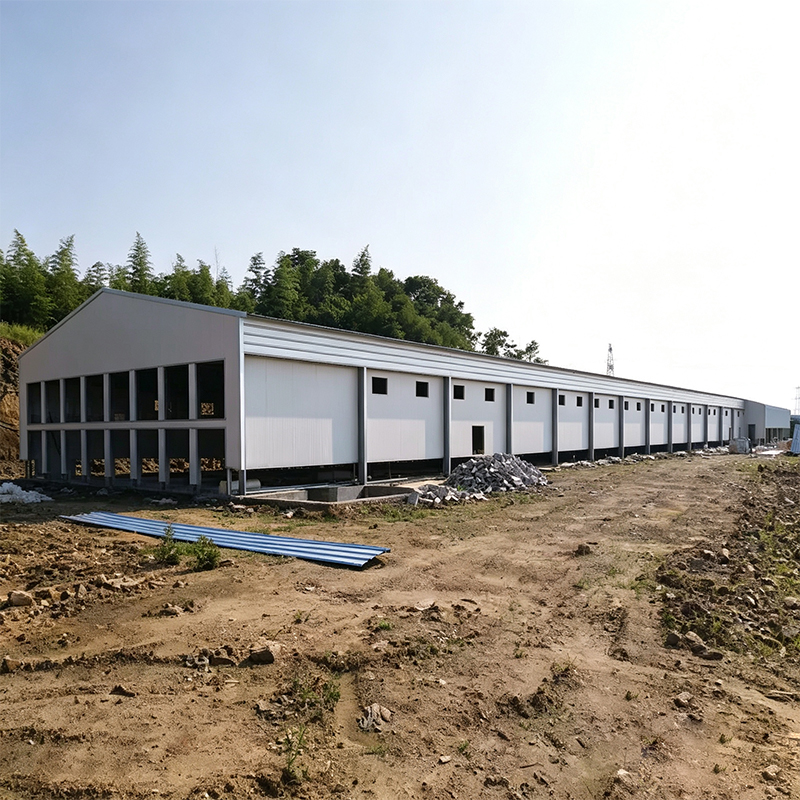
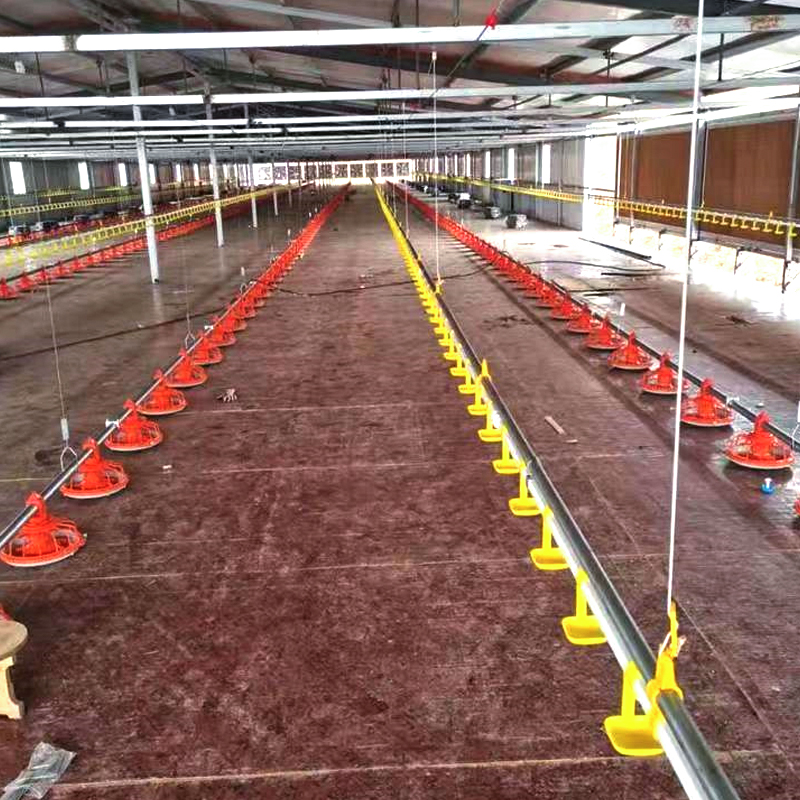
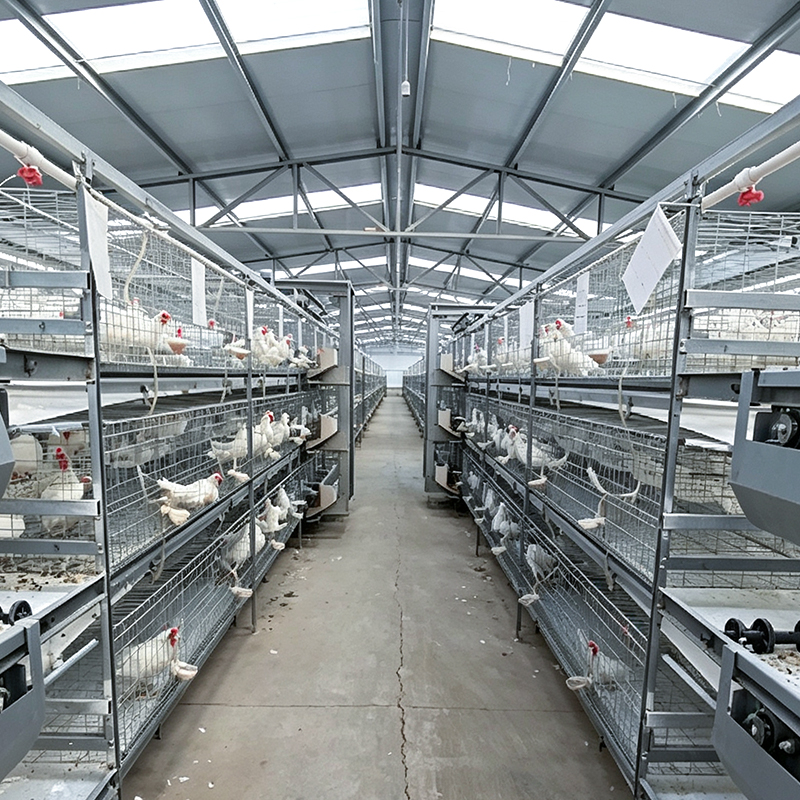
Large-scale layer farms: Multi-level cageless floor rearing (Barn system), the mainstream commercial welfare model, suitable for large-scale bases with 100,000-500,000 birds. Widely adopted in newly built high-end egg production projects in China. Features perches, laying boxes, litter sand bath areas, and automated feeding, egg collection, manure removal, and environmental control systems.

Enrichment and Improvement Cage Rearing: Compared to traditional small cages, it increases space, adds perches, laying corners, and pecking devices, suitable for renovating existing farms, balancing welfare with existing building infrastructure, and requiring lower renovation investment.

Free-range/Outdoor Rearing: Indoor + outdoor exercise area, suitable for small to medium-sized bases, branded eggs, and organic eggs. Highly affected by weather and predators, with high requirements for disease prevention and control.

Puller Breeding Farms: Welfare-oriented brooding and rearing, training chickens to use perches and laying boxes from a young age, reducing the risk of ground-feather laying and feather pecking later on. A crucial element for the success of cageless rearing projects.

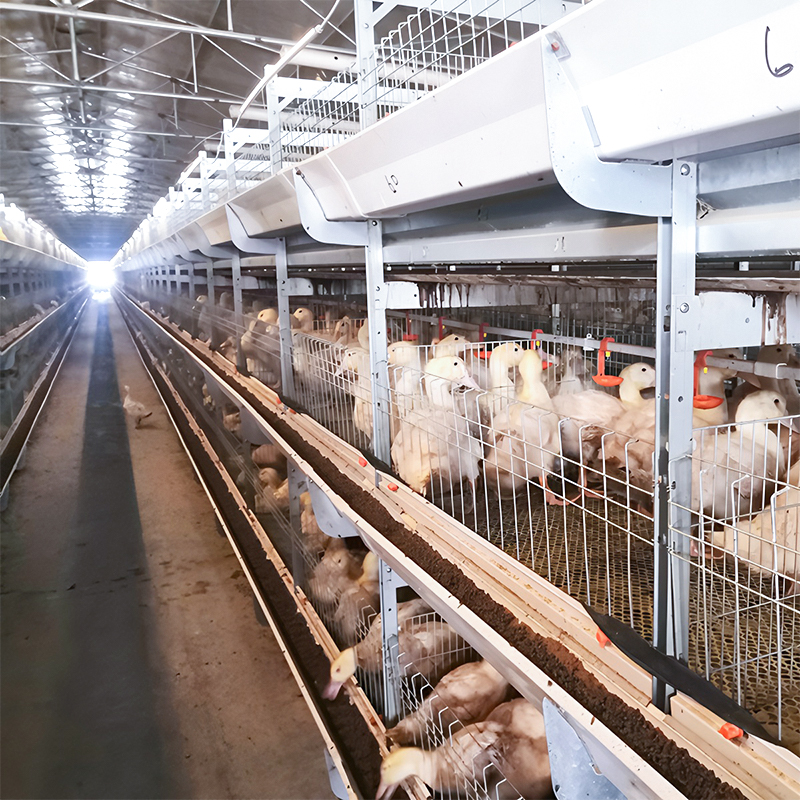
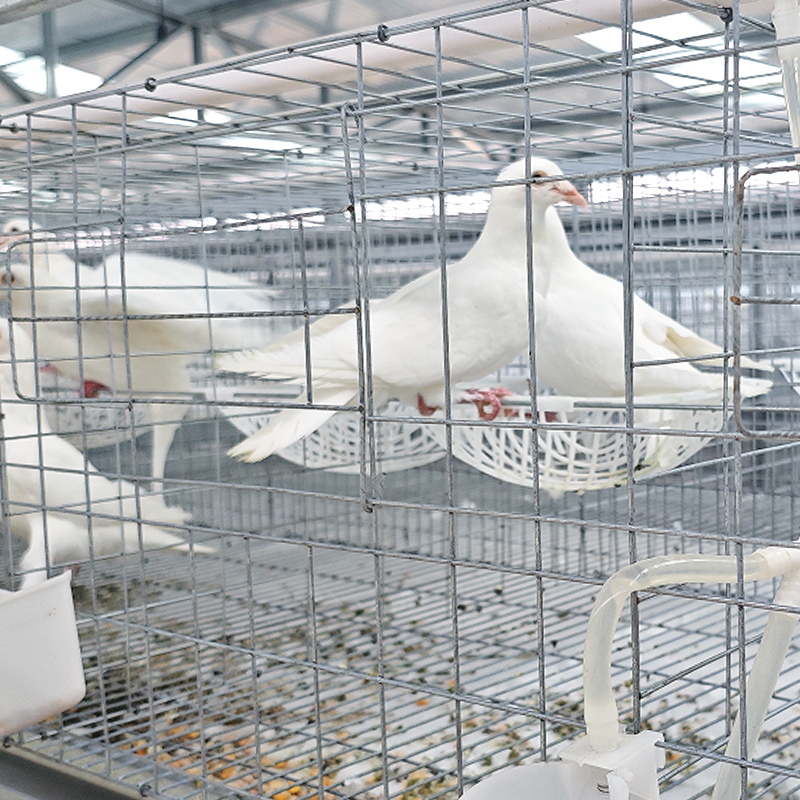
Specialty egg-laying poultry such as pigeons and ducks: Expand their activity space and provide facilities for playing in water, roosting, and sand bathing to meet the behavioral needs of these special poultry.

Branded food supply chain and export orders: High-end egg products from supermarkets and cross-border procurement; many brands use welfare-oriented farming as an entry requirement.

Production

Services

Advantages

Objective Shortcomings

II. Production System and Technology
Hardware Equipment
Indoor Facilities: Perches, independent laying nests, litter/sand bathing areas, ramps (for passage between multi-level floor-rearing);
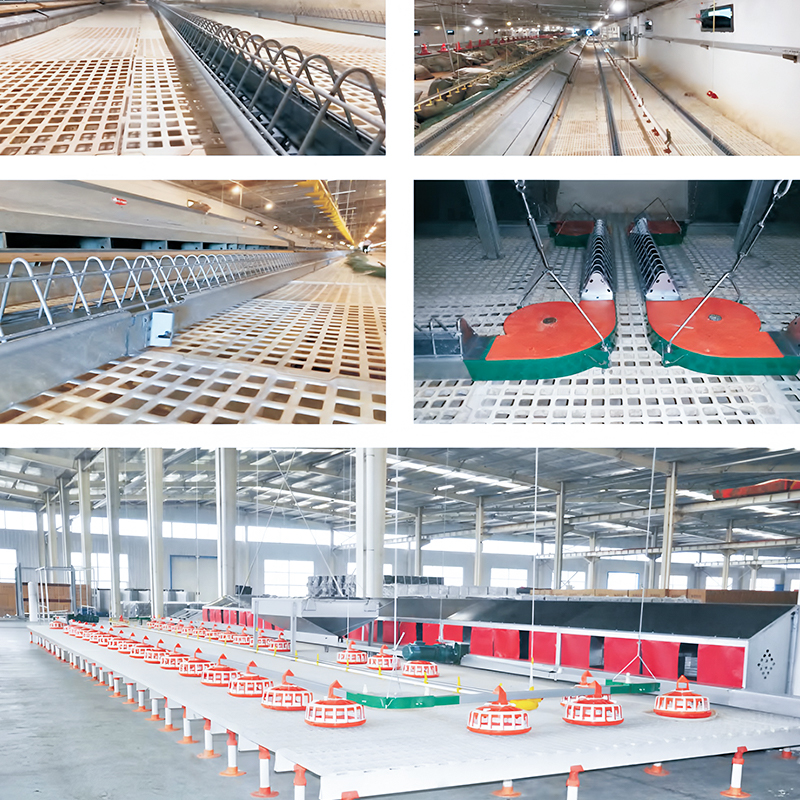
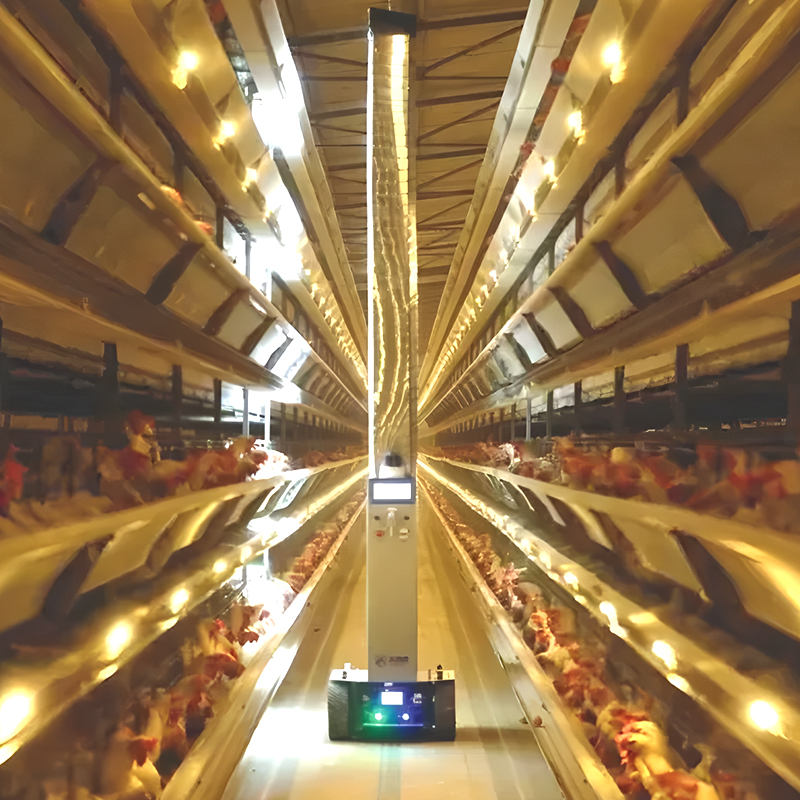
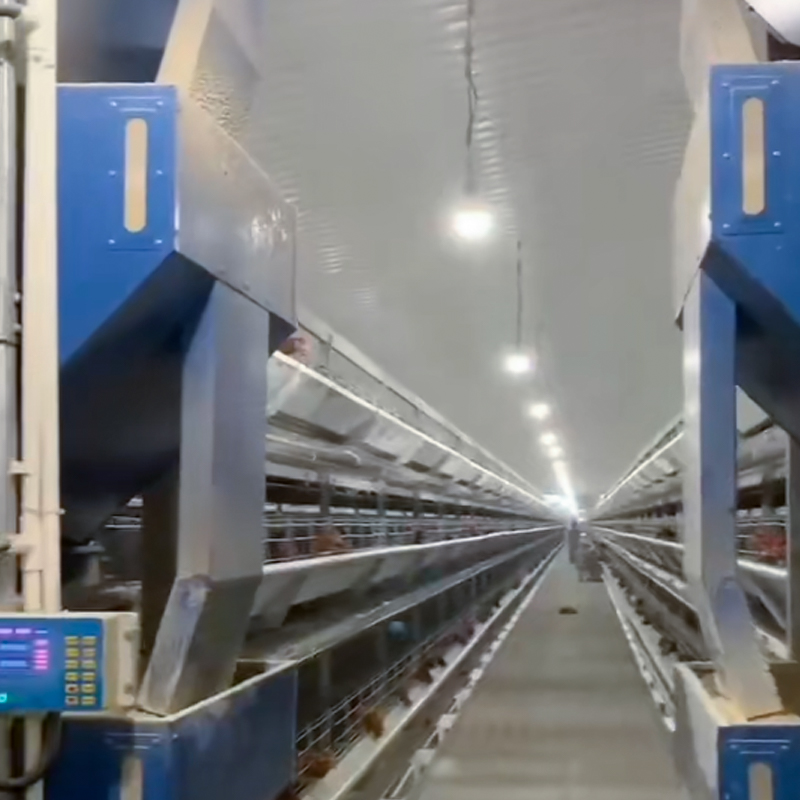
Automation System: Tray/tray feeding, automatic drinking water, conveyor belt egg collection, PP belt manure removal; Environmental control system, managing temperature, humidity, CO₂, ammonia, and light cycle; some systems incorporate AI behavior monitoring to identify feather pecking and huddling abnormalities;
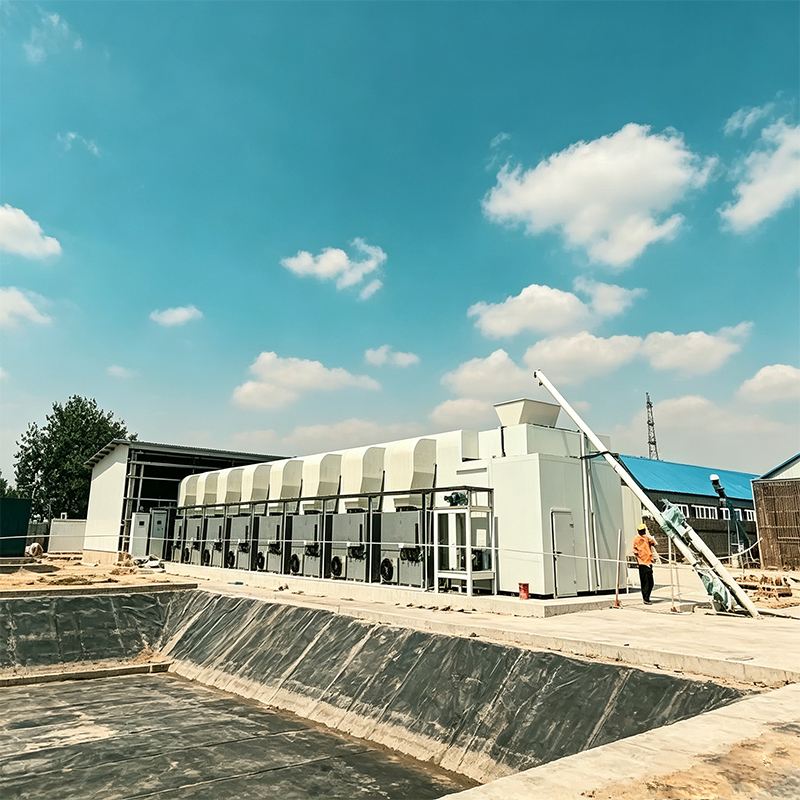
Manure Treatment: Rapid separation of manure and waste, with supporting composting and resource-based return to the field to reduce ammonia concentration in the shed and lower the risk of footpad inflammation.

Key Production Management Points
Stocking Density Control: For non-cage floor-rearing, generally ≤9 birds/㎡; excessive density easily leads to feather pecking; enrichment cages should ensure an effective area per bird according to technical guidelines. Lighting Management: Simulate natural light rhythms to avoid strong light inducing feather pecking.

Nutritional Plan: Precise formula, increased crude fiber to satisfy pecking instincts and reduce pica; minimize the use of routine preventative antibiotics, relying on environment and nutrition to boost immunity.

Key Control Issues: Ground-raised eggs, feather and vent pecking, footpad dermatitis, mortality; rigorous training during the pullet stage is crucial.

Full Chain Extension: Humane handling during hatching, transportation, loading/unloading, and culling to reduce stress damage.

Production Performance Reference (Laying Hens)

Free-Range Rearing: Peak egg production rate 85-88%, slightly lower than traditional cage rearing; longer laying cycle, lower mortality in later stages; ground-raised eggs increase breakage, requiring equipment and management to compensate.

Enrichment Cage: Egg production performance close to traditional cage rearing, significantly improved bone health and feather condition.

III. Supporting Service System

Project Planning and Design Services: Chicken house layout, cage/free-range system selection, density calculation, environmental control configuration, manure treatment solutions, old farm renovation assessment.

Equipment Setup and Installation: Welfare-oriented pens, perches, laying boxes, automated feeding, egg collection and manure cleaning, and intelligent monitoring screen deployment.

Technical Operation and Maintenance Services: Flock behavior management, pecking prevention, litter management, lighting and nutrition SOPs; technical guidance for pullet rearing.

Testing and Certification Services: Third-party welfare assessment, welfare egg labeling certification, product testing (drug residues, egg quality), and connection with brand channels.

Supply Chain Services: Supply of welfare pullet chicks; connection with branded egg product channels; output of manure resource utilization solutions.

Digital Operation and Maintenance: Cloud monitoring, statistics on egg production, mortality, and environmental parameters, and early warning of abnormal behavior and environmental risks.

IV. Core Advantages
Animal Health: Chickens can spread their wings, roost, sand bath, and socialize, resulting in stronger bones and reduced stress levels; lower mortality rates in later stages, better feather integrity, fewer limb and hoof diseases, reduced antibiotic dependence, and a better biosecurity foundation.

Product and Market Value: Welfare eggs possess brand premium, with a potential market premium of 20-50%; they are suitable for high-end domestic supermarkets, e-commerce brands, and foreign trade supply chains, enhancing product differentiation and competitiveness.

Long-Term Industry Benefits: The egg production cycle can be appropriately extended, improving equipment utilization efficiency; it aligns with the high-quality development and green farming guidelines of China's livestock industry, conforms to international animal welfare development trends, and mitigates future trade barrier risks.

Ecological and Environmental Value: Manure can be better recycled and returned to the fields; it reduces ammonia levels in the sheds, improves the operating environment of the farm, and reduces environmental pollution pressure (Guangxi Hezhou City...).

V. Objective Shortcomings (Project Decision Reference):
High initial investment: Investment in non-cage floor rearing equipment and civil engineering is significantly higher than traditional cage rearing; High management threshold: High technical requirements for technicians and feeders; feather pecking and eggs laid on the ground are two major pain points; Lower rearing capacity per unit area compared to traditional stacked cages; slightly higher feed conversion ratio, increasing the risk of breakage.

  • How long will it take to receive a reply after placing the inquiry?
  • Are you a factory or a trading company?
  • What products do you mainly offer?
  • Which fields does the product mainly apply to?
  • Do you support customized production?
  • Do you produce standard parts?
  • How is the company's production capacity?
  • What is the size of the company and its personnel structure?
  • How to ensure product quality?
  • What are the payment methods?
  • How to arrange the transportation of goods?
  • We can provide you with a satisfactory plan!

    What's your name?

    What's your email address?

    What's your telephone?

    Your message

    SEND
    About
    Jiangsu Huinong Jingmu Technology Co., Ltd.

    HuiNong specializes in the design, manufacturing and supply of automated poultry farming equipment. Focusing on broiler, layer, breeder and duck farming, we provide reliable equipment solutions covering housing systems, feeding and drinking systems, climate control systems and manure management systems.

    With professional engineering capabilities and flexible manufacturing resources, HuiNong helps customers select suitable equipment configurations based on farm scale, production requirements and investment plans, supporting the construction of efficient and reliable poultry farms worldwide. 

    Certificate of Honor
    News
    Breeder Equipment Industry knowledge