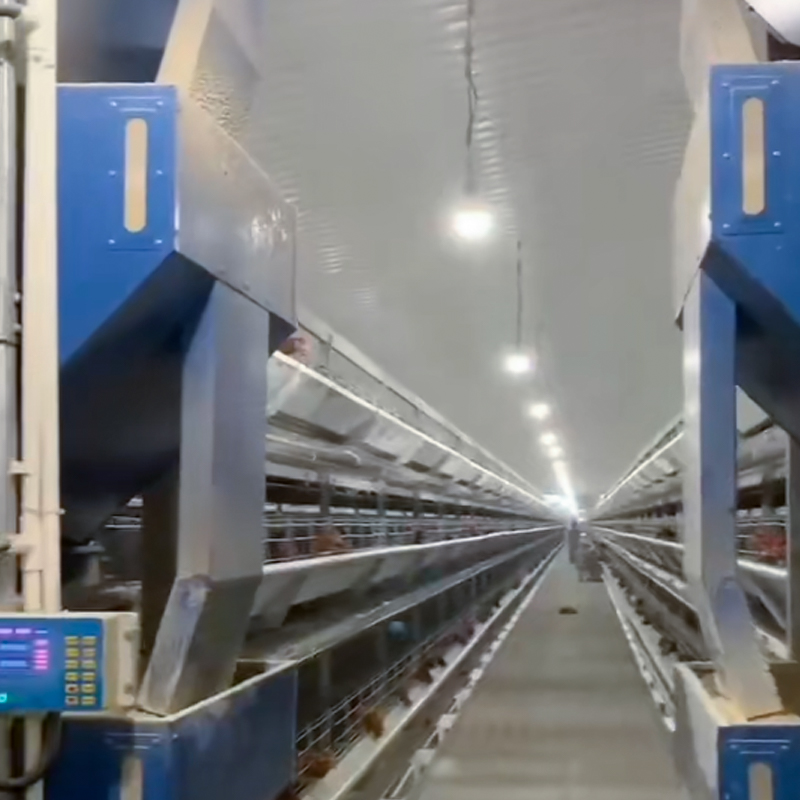
Greenhouse‑type Poultry House

Home / Products / Breeding Houses / Greenhouse‑type Poultry House

Greenhouse‑type Poultry House

I. Application

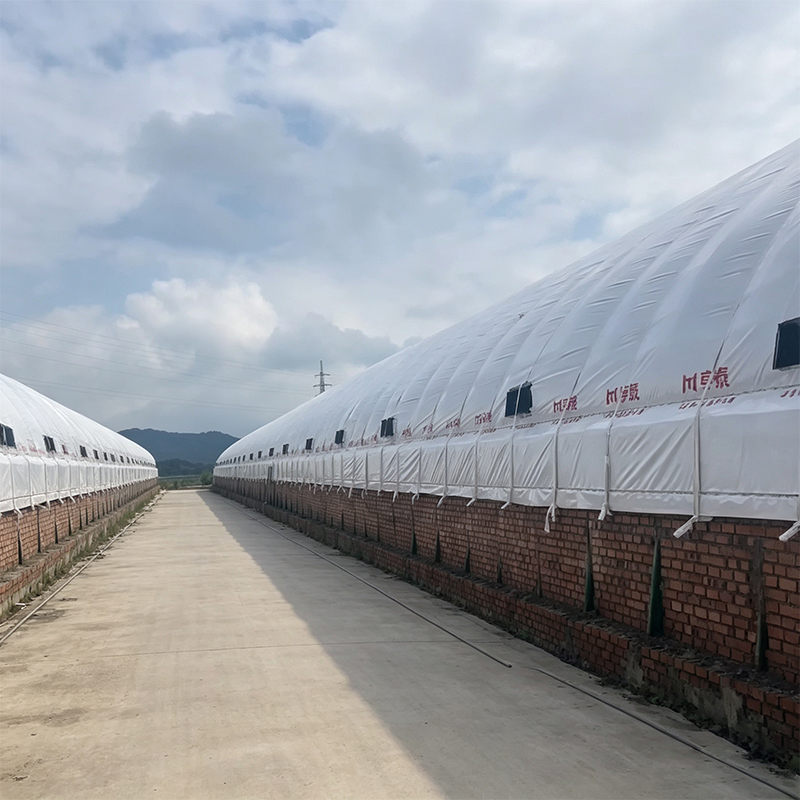
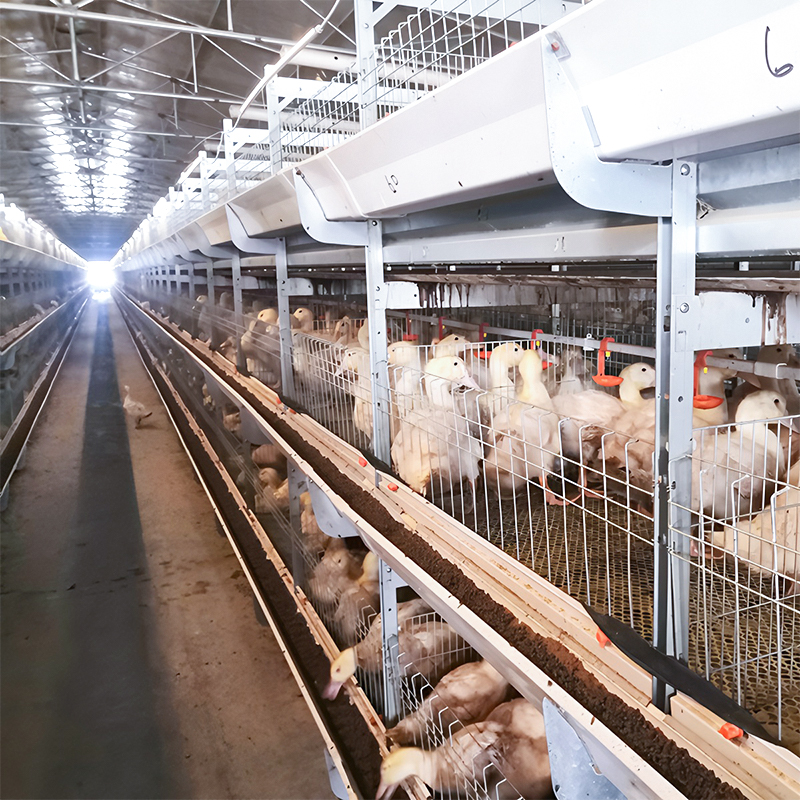
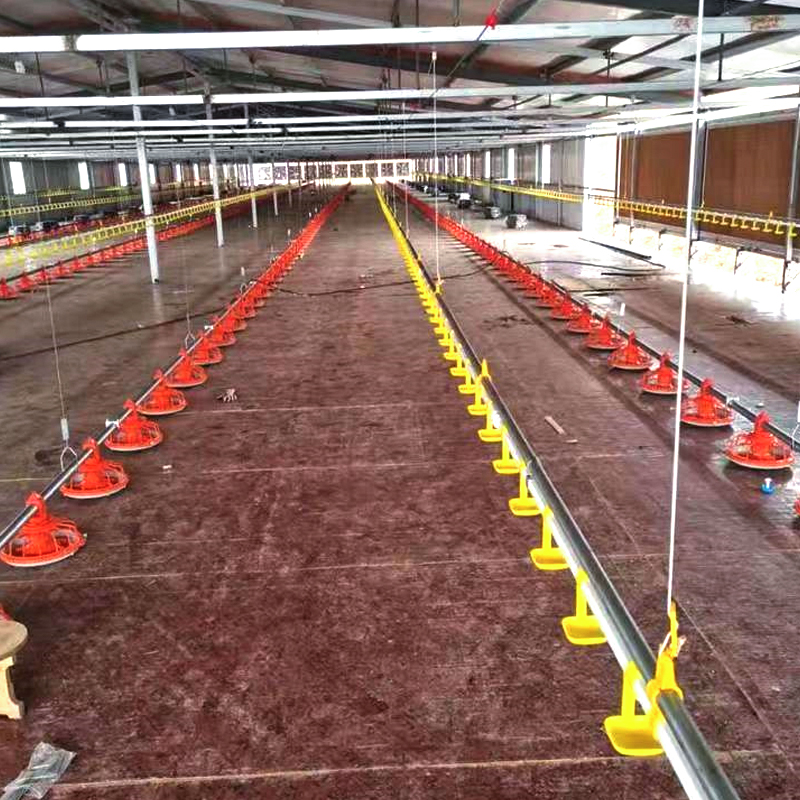
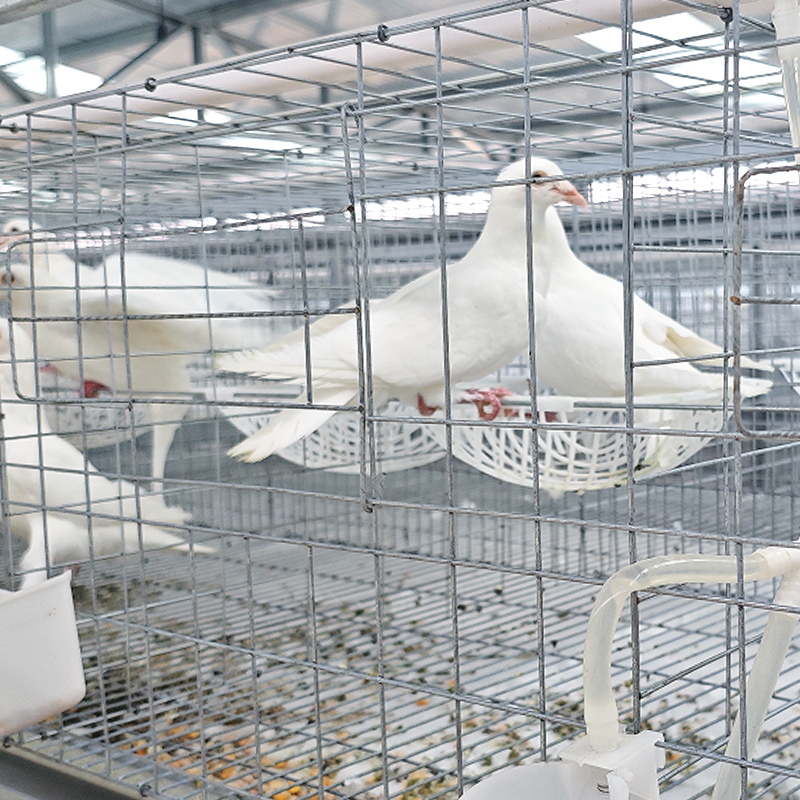
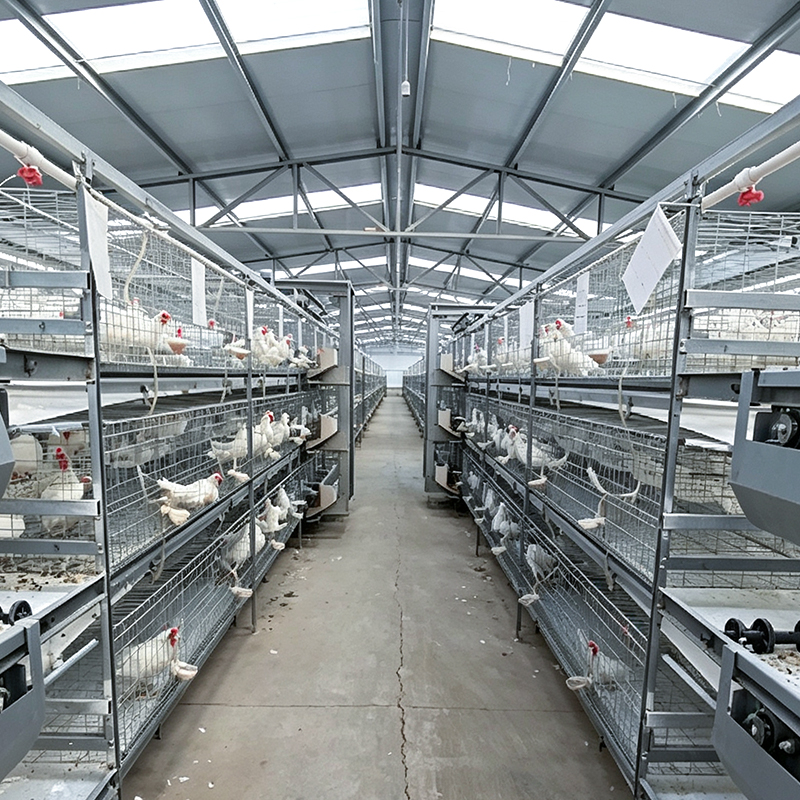
Applicable breeding species: Broilers, meat ducks, laying pigeons, meat‑producing pigeons and free‑range chickens. Suitable for floor‑rearing and elevated net‑bed rearing. The basic version is rarely used for high‑rise stacked cage‑rearing due to heavy cage‑structure loads.

Applicable project scenarios: Small‑and‑medium‑sized farms, family‑run farms and agricultural cooperatives; new‑build projects and renovation of old sheds. A solar‑agriculture complementary model is available, with photovoltaic panels installed on the roof while breeding activities are carried out inside the house.

Configuration Tiers

Basic type: Single‑layer greenhouse film plus manual film‑rolling system. Suitable for warm‑climate regions and mainly relies on natural ventilation.

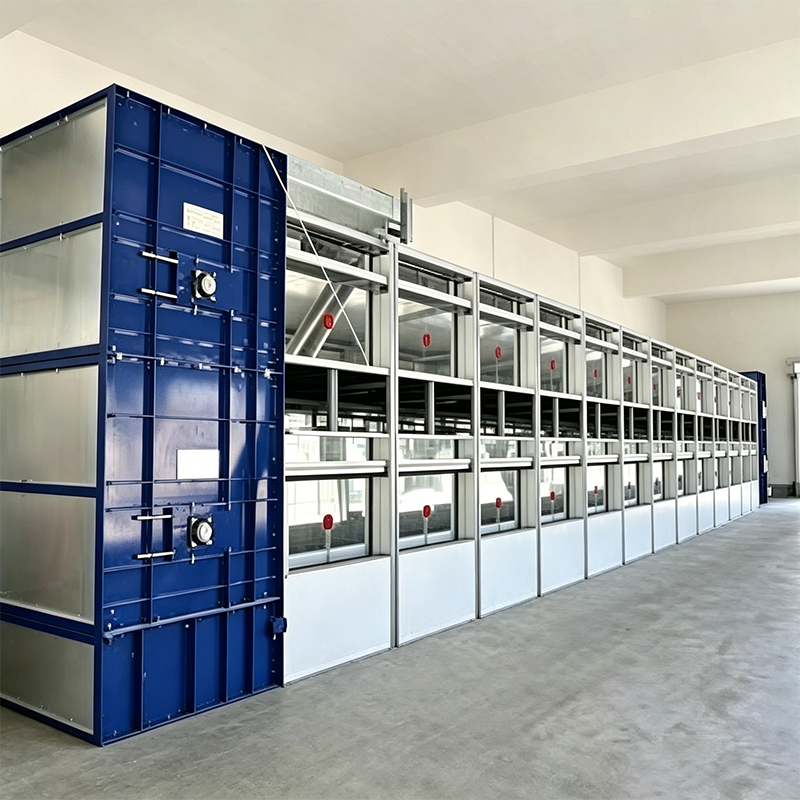
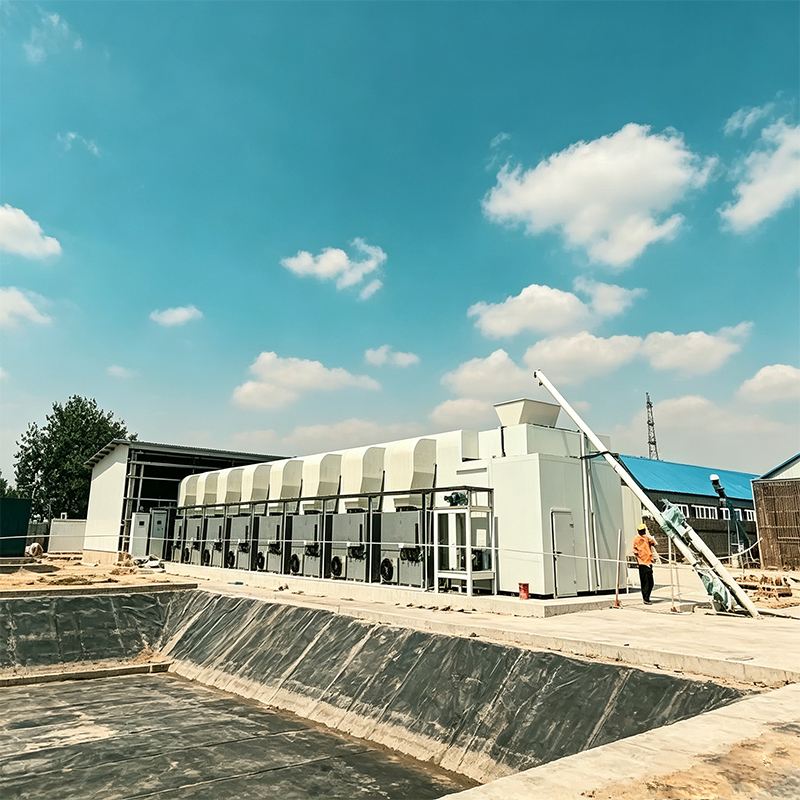
Insulated intelligent type: Double‑layer film with an air‑insulation gap in‑between, equipped with fans, cooling pads and environmental‑control equipment. It supports enclosed negative‑pressure breeding and adapts to the all‑in‑all‑out production mode.

Civil‑engineering supporting requirements: Concrete foundations and hardened impermeable floors; reserved openings for fans and cooling pads; feed‑silo bases and cable trenches; standby power supply is mandatory. Sites shall avoid wind gaps and low‑lying water‑logging zones.

Production

Services

Advantages

Objective Shortcomings

II. Production

Core Structural Components

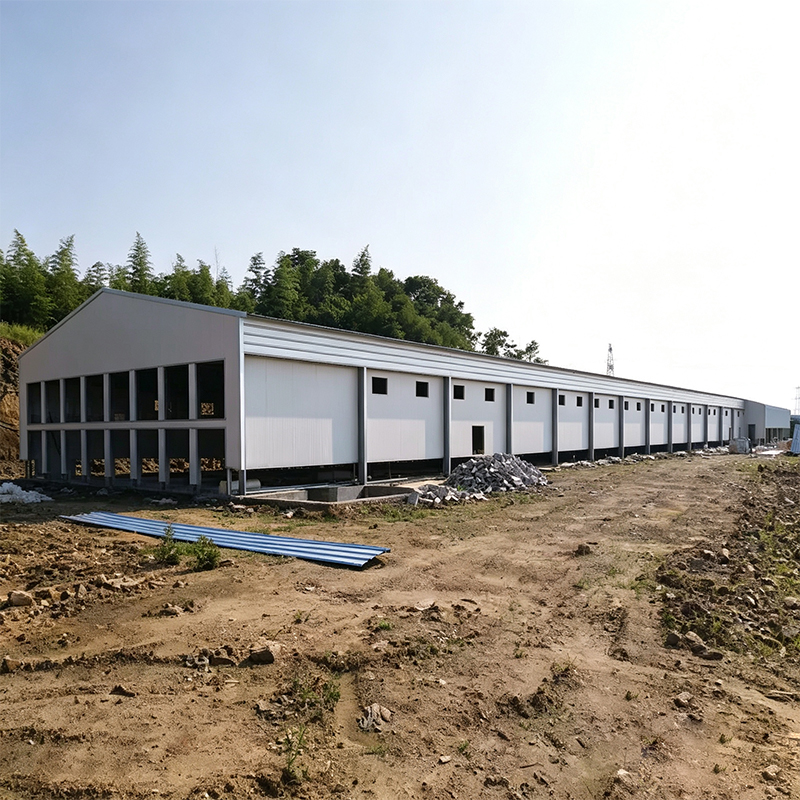
Arch frame skeleton: Hot‑dip galvanised round‑steel tubes / oval steel tubes assembled into an arch shape, fitted with upright posts, horizontal tie rods and diagonal braces for wind‑resistance and snow‑load resistance. Anti‑corrosion treatment is applied to the skeleton to resist corrosion caused by ammonia and humid air inside the shed.

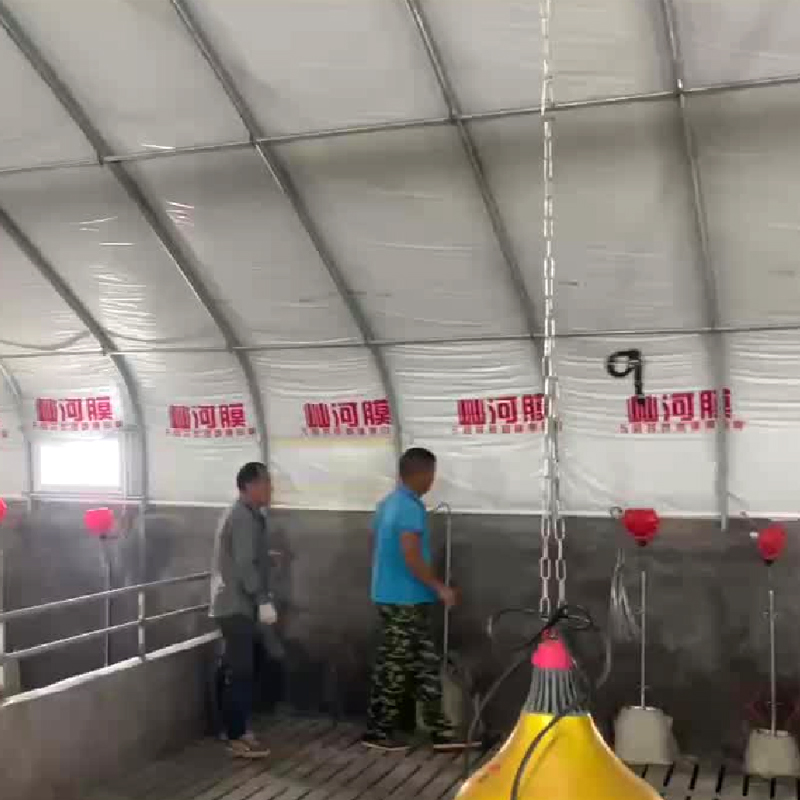
Enclosure covering system: PO greenhouse film. High‑grade versions adopt double‑layer film with an intermediate air‑insulation layer. Electric film rollers, thermal‑insulation quilts and sun‑shade nets are installed on the outer side to enable automatic opening and closing of side‑wall film.

Door, window and ventilation components: Insulated main doors and access doors, reserved openings for fans, cooling pads and air vents. The film‑rolling system provides large‑scale side‑wall ventilation.

Internal civil‑engineering works: Cement‑hardened floors; partition fences for floor‑rearing pens; manure‑removal tunnels reserved underneath nets for net‑bed systems; well‑designed internal drainage.

Embedded equipment interfaces: Pre‑reserved openings for feed‑line, water‑line and environmental‑control sensor pipelines to accommodate the installation and connection of automatic equipment.

Production and On‑site Implementation Process

Shed scheme design is carried out according to site conditions, breeding scale and local wind‑snow loads, confirming the span, length and height of the greenhouse‑type poultry house.

Steel tubes are cut, perforated and hot‑dip‑galvanised in‑factory. Standardised accessories are packed and delivered to the site.

On‑site construction: Foundation pouring → assembly and fixation of arch frame skeleton → laying and compaction of greenhouse film → installation of film rollers, thermal‑insulation quilts and door‑window openings → civil‑engineering construction of floors and tunnels.

Final acceptance inspection: Check skeleton stability, greenhouse‑film sealing performance and operation of film‑rolling mechanisms before hand‑over for breeding‑equipment installation.

III. Services

Pre‑project planning: On‑site land survey. Deliver shed design solutions based on breeding species, stocking capacity and local wind‑snow & climatic conditions, and assist with investment estimation.

Production and installation: Factory‑fabricated steel‑tube components, on‑site erection by professional teams, commissioning of film‑rolling and thermal‑insulation systems.

Technical disclosure: Inform breeding‑equipment contractors of opening dimensions and skeleton load‑bearing parameters to ensure compatibility between the building and farming facilities.

After‑sales maintenance: Skeleton reinforcement inspection, greenhouse‑film damage repair and film‑roller maintenance; supply replacement services for wearing parts such as thermal‑insulation quilts and greenhouse films.

Value‑added services: Renovation and upgrading of old sheds with retrofitted fans, cooling pads and electric film‑rolling systems; design of auxiliary buildings; provision of technical documentation required for project acceptance.

IV. Advantages

Low construction cost and small investment pressure: The construction cost for the same floor area is far lower than that of steel‑structure insulated poultry houses. Low upfront investment enables small‑and‑medium‑scale projects to start up quickly.

Short construction cycle: Factory‑prefabricated components and on‑site assembly deliver fast construction, allowing rapid commissioning and payback.

Flexible disassembly and relocation: Modular skeleton permits later‑stage reconstruction and relocation, supporting flexible project adjustments.

Good daylighting conditions: Transparent greenhouse film provides abundant natural light inside the shed, which benefits poultry growth and reduces lighting‑energy consumption.

Flexible ventilation regulation: Electric film rollers enable large‑area side‑wall opening for effective ventilation and heat dissipation during hot seasons. The shed is compatible with a full set of automatic breeding equipment to realise automated feeding, drinking‑water supply, manure removal and environmental control.

High site adaptability: Low foundation requirements make it suitable for irregular‑shaped land parcels, ideal for cooperatives and family‑run farms.

Objective Limitations

Thermal insulation performance is weaker than poultry houses built with steel‑structure sandwich panels, resulting in larger diurnal temperature differences. Greenhouse films and thermal‑insulation quilts are consumables that require replacement every 3‑5 years. There is a risk of structural damage under extreme wind‑snow weather. Limited air‑tightness restricts its use for high‑rise stacked cage‑rearing. Enhanced thermal‑insulation configurations are required for severely cold northern regions.

  • How long will it take to receive a reply after placing the inquiry?
  • Are you a factory or a trading company?
  • What products do you mainly offer?
  • Which fields does the product mainly apply to?
  • Do you support customized production?
  • Do you produce standard parts?
  • How is the company's production capacity?
  • What is the size of the company and its personnel structure?
  • How to ensure product quality?
  • What are the payment methods?
  • How to arrange the transportation of goods?
  • We can provide you with a satisfactory plan!

    What's your name?

    What's your email address?

    What's your telephone?

    Your message

    SEND
    About
    Jiangsu Huinong Jingmu Technology Co., Ltd.

    HuiNong specializes in the design, manufacturing and supply of automated poultry farming equipment. Focusing on broiler, layer, breeder and duck farming, we provide reliable equipment solutions covering housing systems, feeding and drinking systems, climate control systems and manure management systems.

    With professional engineering capabilities and flexible manufacturing resources, HuiNong helps customers select suitable equipment configurations based on farm scale, production requirements and investment plans, supporting the construction of efficient and reliable poultry farms worldwide. 

    Certificate of Honor
    News
    Breeding Houses Industry knowledge