II. Production System and Process
Core Automated Hardware
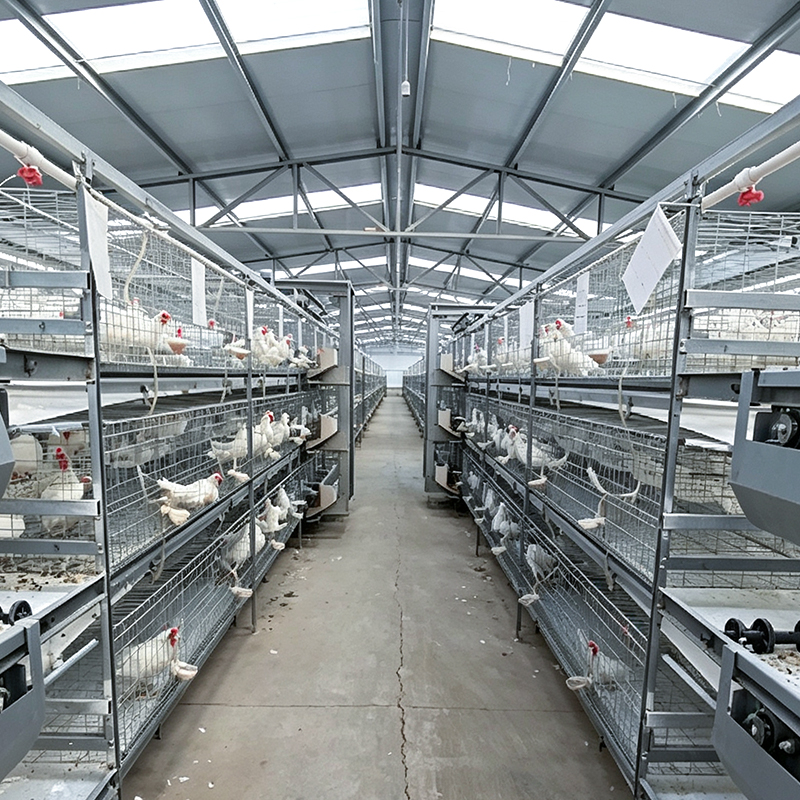
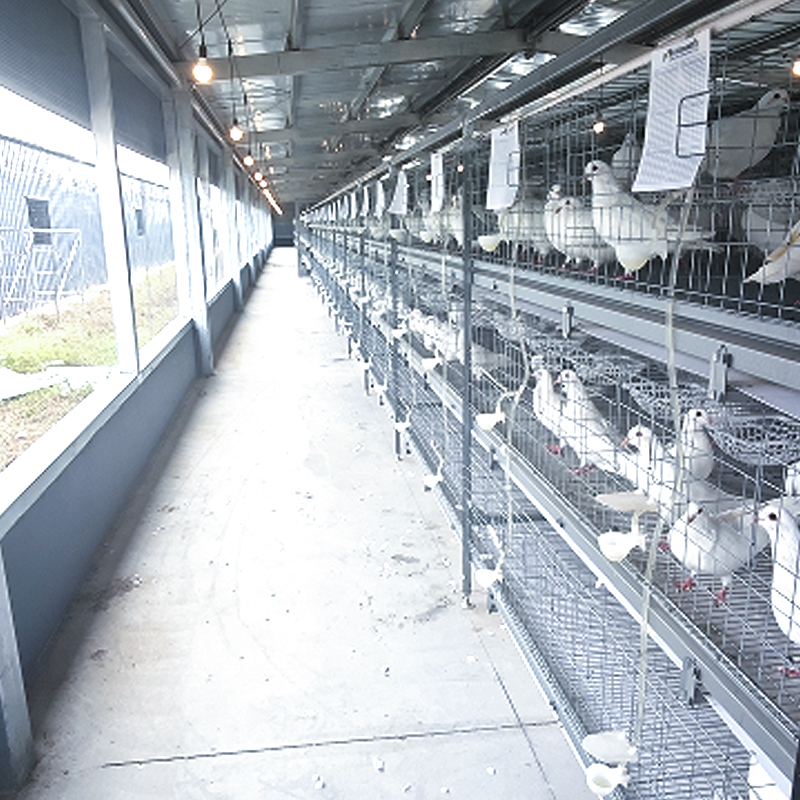
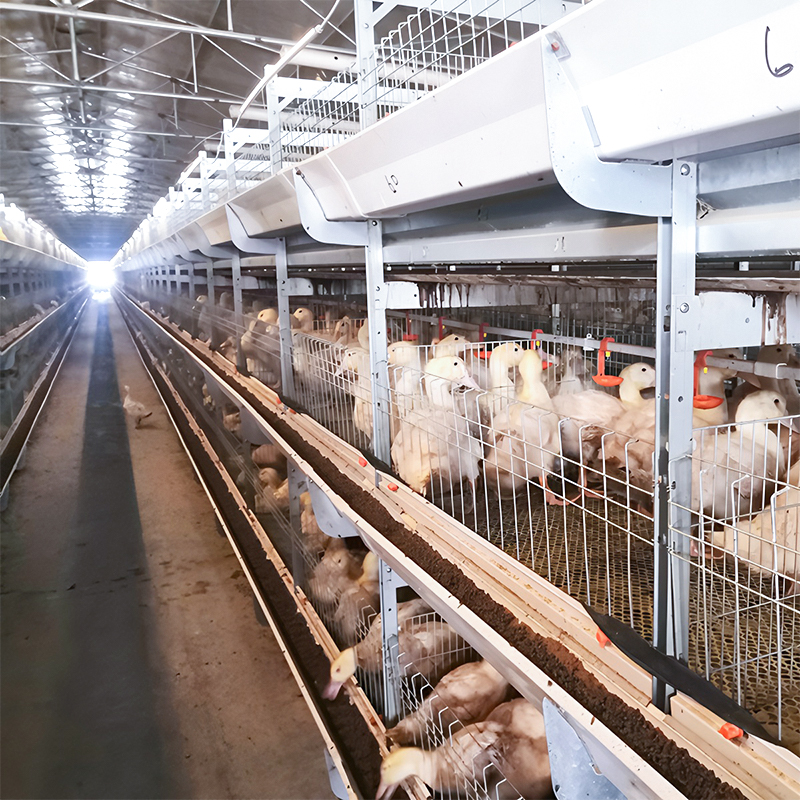
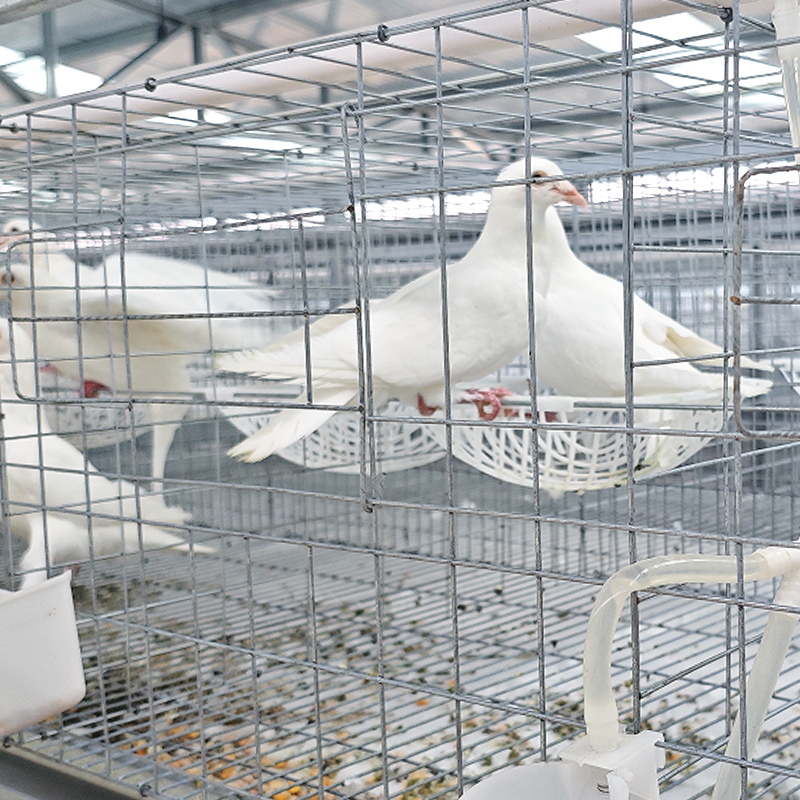
Special‑purpose egg‑pigeon cages: Hot‑dip galvanised cage frames fitted with sloped roll‑out nests and egg‑retaining guard wires. Fresh‑laid eggs automatically roll into collection troughs to reduce breakage risk. Cold‑galvanised cages are prone to corrosion. Hot‑dip galvanised units are preferred for commercial‑scale projects with a service life of 8‑10 years.
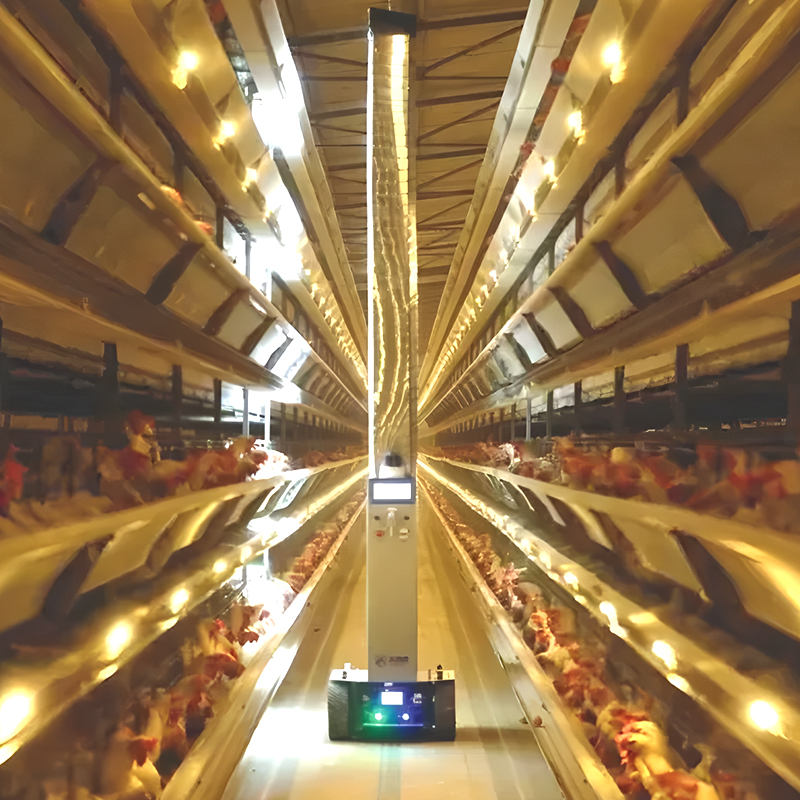
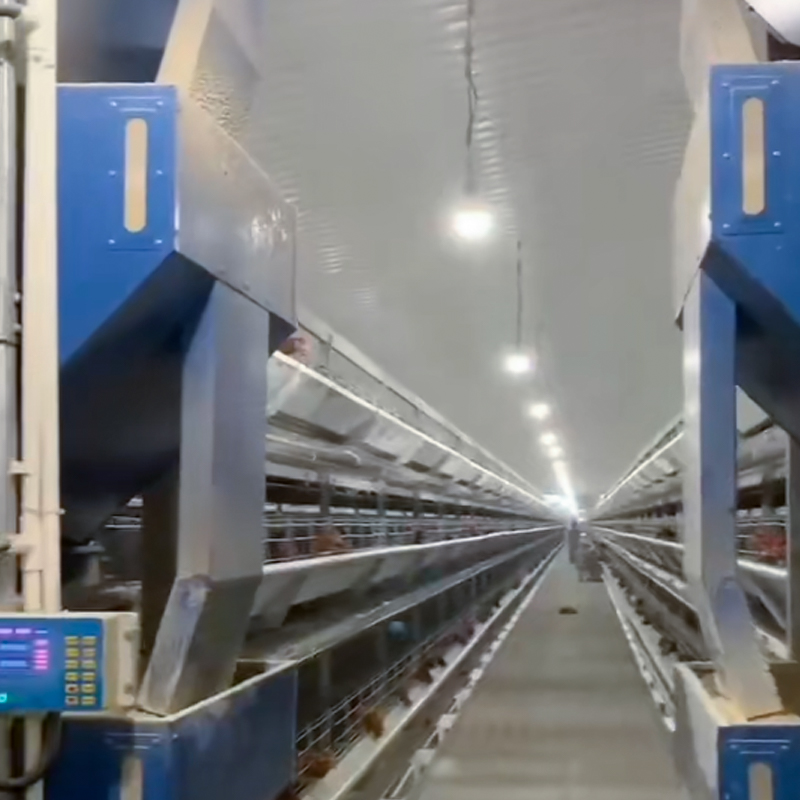
Feeding system: Feed silo + travelling‑cart feeding / pan‑auger feed lines, equipped with an automatic grit‑dispensing device. Egg‑laying pigeons consume large amounts of calcium, making continuous grit supply a critical management factor.
Drinking‑water system: Cup‑style nipple drinker lines with leak‑proof design to avoid damp nesting areas.
Manure‑removal system: Stacked cages are fitted with horizontal PP manure belts; step‑type cages use manure scrapers. Manure is rapidly transported out of the house to lower ammonia levels and coccidiosis risks.
Egg‑collection system: Side‑mounted egg troughs on cages can be upgraded to longitudinal automated egg‑conveyor belts that deliver eggs to sorting stations outside the house, drastically cutting manual egg‑collection labour.
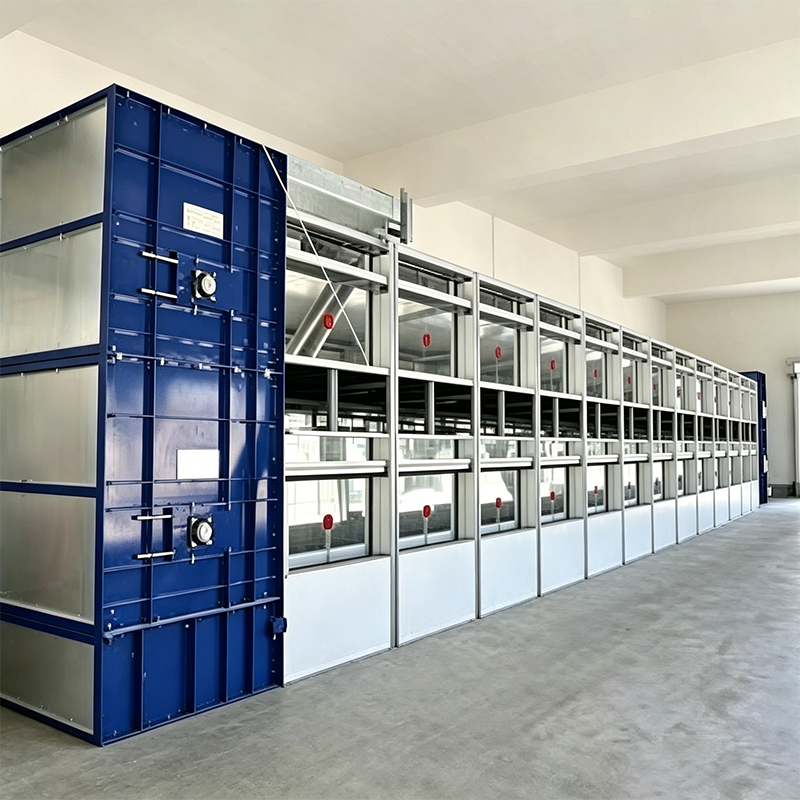
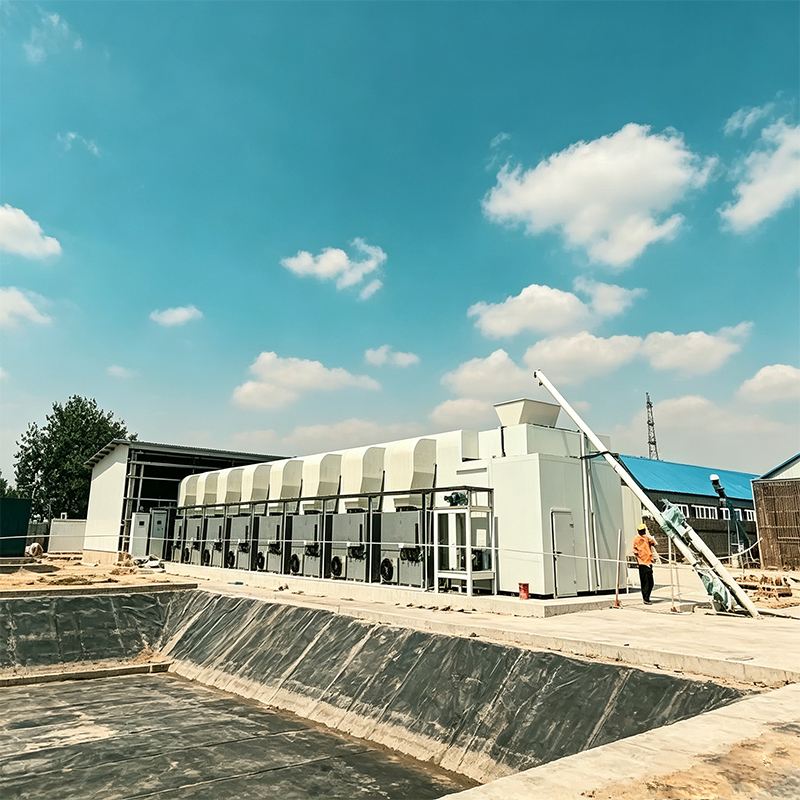
Environmental‑control system: Negative‑pressure ventilation with fans and evaporative cooling pads. Monitors temperature, humidity, ammonia concentration and lighting. Egg‑pigeons require 15‑17 hours of light per day; lighting parameters directly affect laying performance. A central monitoring screen enables unified regulation of all equipment.
Auxiliary facilities: Hatching‑egg grading and disinfection equipment, juvenile‑pigeon rearing cages; hatcheries are attached to breeding farms.
Key Production & Management Guidelines
Pairing‑mode management
Cock‑hen pairing (hatching‑egg production): One cock and one‑hen housed together to produce fertile eggs, yielding 40‑45 fertile eggs per pair annually.
Two‑hen pairing (commercial table‑egg production): Two hens are caged together, producing 75‑85 unfertilised eggs per pair per year with no incubation required. Failed pairings need re‑housing to prevent fighting‑related mortality.
Nutrition and grit supply
Increase dietary calcium and crude‑protein levels during the laying period. Provide constant access to mineral grit to prevent soft‑shelled and sandy‑shelled eggs.
Lighting management
15‑17 hours of illumination daily at an intensity of 15‑25 lx to sustain laying activity. Avoid sudden changes in lighting duration.
Daily operations
Under the two‑hen system, no incubation is required. Dummy eggs shall be removed promptly to shorten broody‑rest periods and increase egg‑laying frequency.
Disease prevention and control
Prioritise prevention of trichomoniasis, coccidiosis and respiratory diseases. Carry out regular deworming and cull low‑yielding or weak hens in a timely manner.
Production‑Performance Reference
- Two‑hen paired commercial eggs: 75‑85 eggs per pair annually; well‑managed flocks can exceed 90 eggs per pair, with breakage rates controlled within 2‑4 %.
- Cock‑hen paired fertile hatching eggs: 40‑45 fertile eggs per pair annually, fertility rate 88‑92 %.
- Under fully automated conditions, one worker can manage 3 500‑5 000 pairs of egg‑breeding pigeons.
Major Risk Points
Poor ventilation at upper tiers of stacked cages and high summer temperatures may cause egg‑production declines. Fighting injuries may occur after failed two‑hen pairings. Insufficient calcium intake leads to widespread soft‑shelled eggs. Ectoparasite control represents a persistent challenge.

 English