Layer Cage System

Home / Products / Poultry‑Egg Equipment / Layer Equipment / Layer Cage System

Layer Cage System

I. Main Application Scenarios

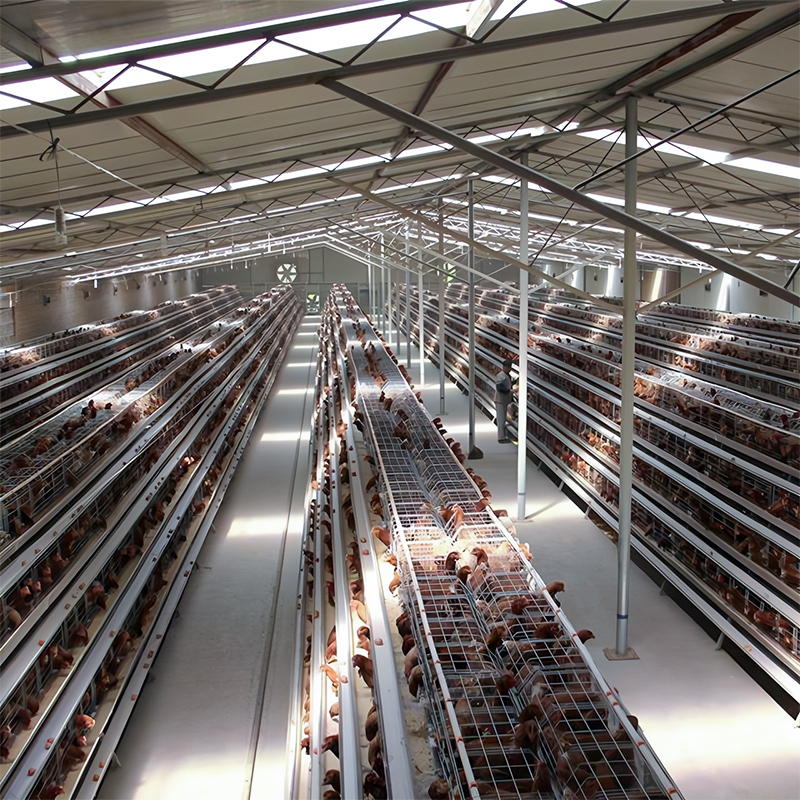
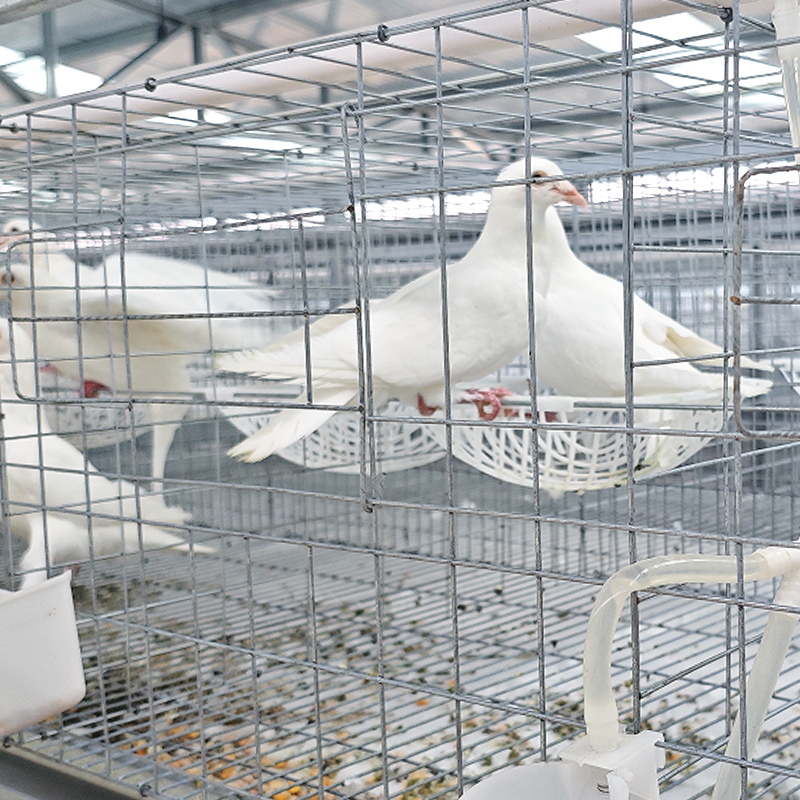
Large‑scale commercial‑egg bases: Breeding farms with 50,000‑1,000,000 layers, egg‑laying ducks and egg‑producing pigeons. Stacked/stepped cage houses adopt full‑process automation to produce fresh commercial eggs, which are supplied to supermarkets, egg‑processing plants and wholesale markets.

Hatching‑egg breeding farms: For breeder chicken and breeder pigeon farming. Automated feeding, environmental control and automatic hatching‑egg collection reduce egg breakage, guarantee hatching‑egg quality and provide eggs for chick hatch‑out.

Upgrading and renovation of old farms**: Existing poultry houses are retrofitted with feeding lines, drinking‑water lines, manure‑removal belts, egg‑collection lines and environmental‑control equipment. No new plant construction is required, while production capacity is improved and labour demand cut down.

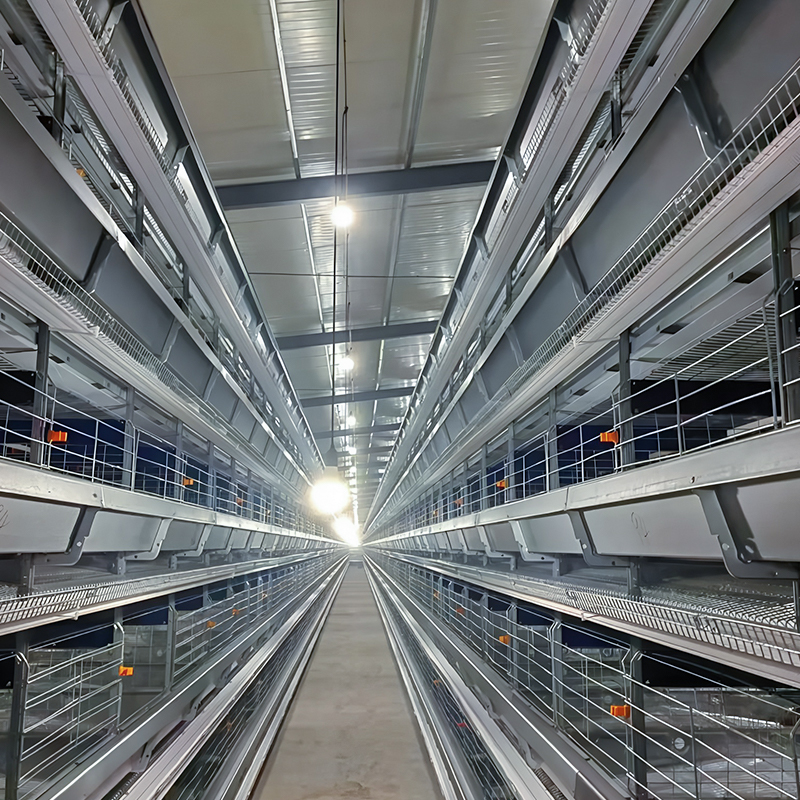
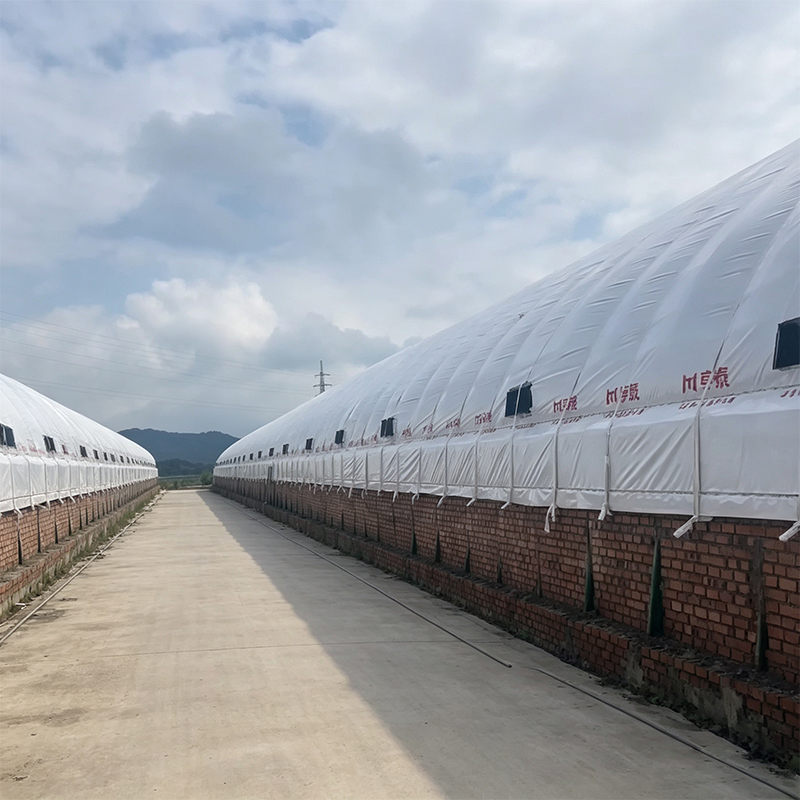
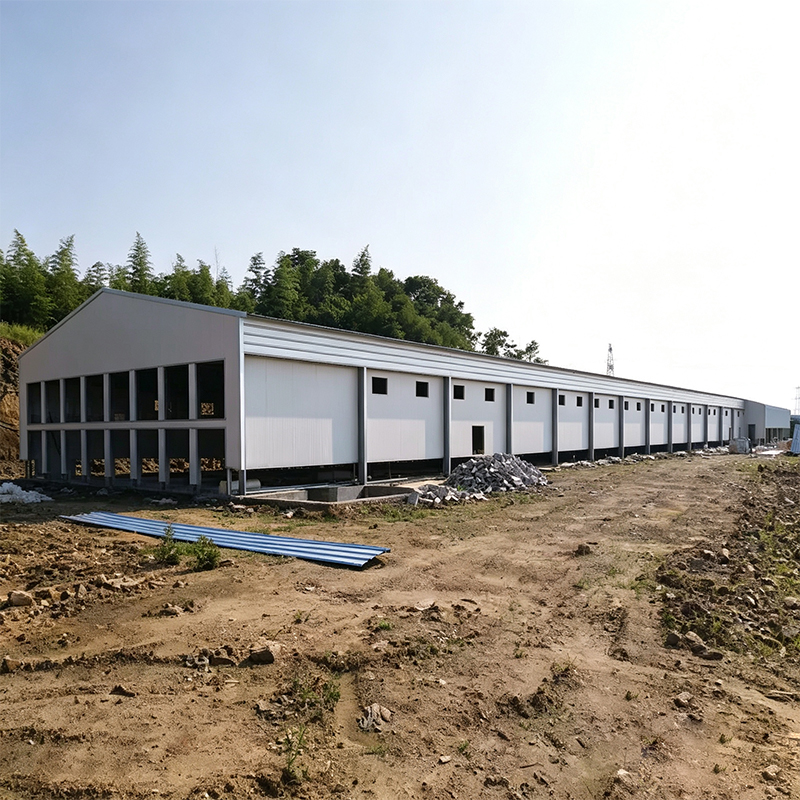
Multi‑storey vertical farming: Multi‑tier enclosed poultry houses with high‑density vertical cage‑rearing and a full set of automated systems, greatly improving land‑use efficiency. This solution has been widely adopted for multi‑million‑bird projects across China.

Full‑industrial‑chain supporting facilities for egg production: The back‑end is connected to a cleaned‑egg processing line to complete egg washing, inspection, crack sorting, weighing & grading, ink‑jet marking and packaging, realizing the integration of “farming‑processing‑packaging”.

Special‑feature and functional‑egg production: Precise system‑based control over lighting, feed formula and environmental parameters enables the production of differentiated eggs such as selenium‑enriched eggs and low‑cholesterol eggs.

Production

Services

Advantages

Objective Shortcomings

II. Core Automated‑production Systems and Process Flow

Core Hardware Systems

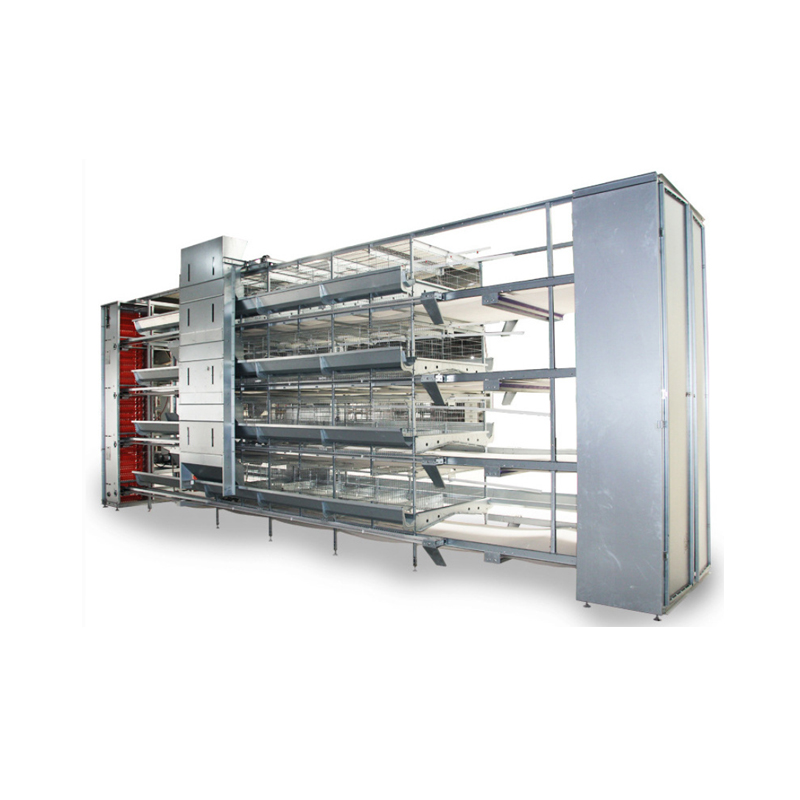
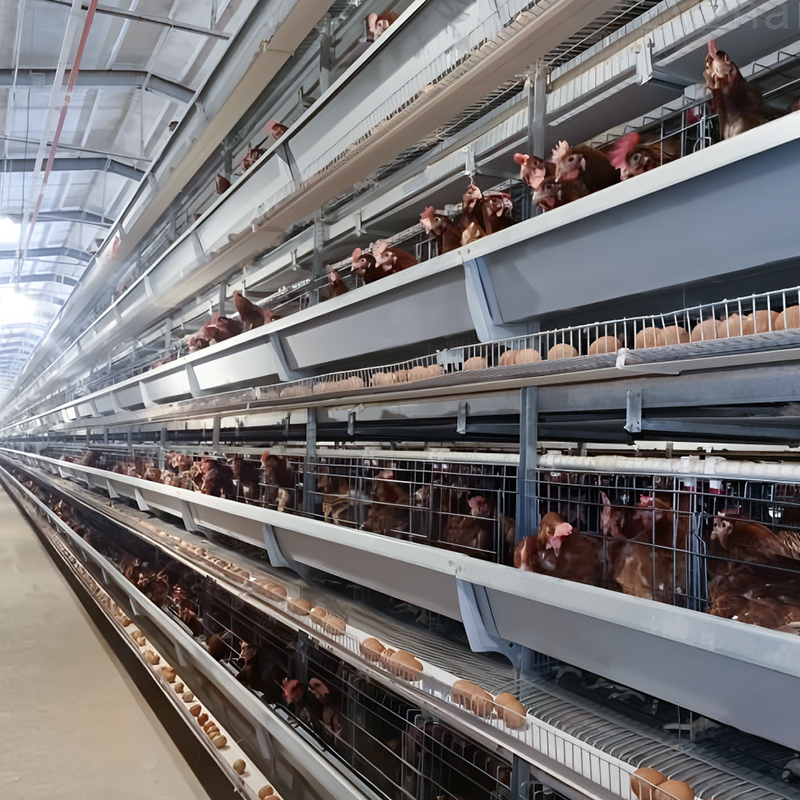
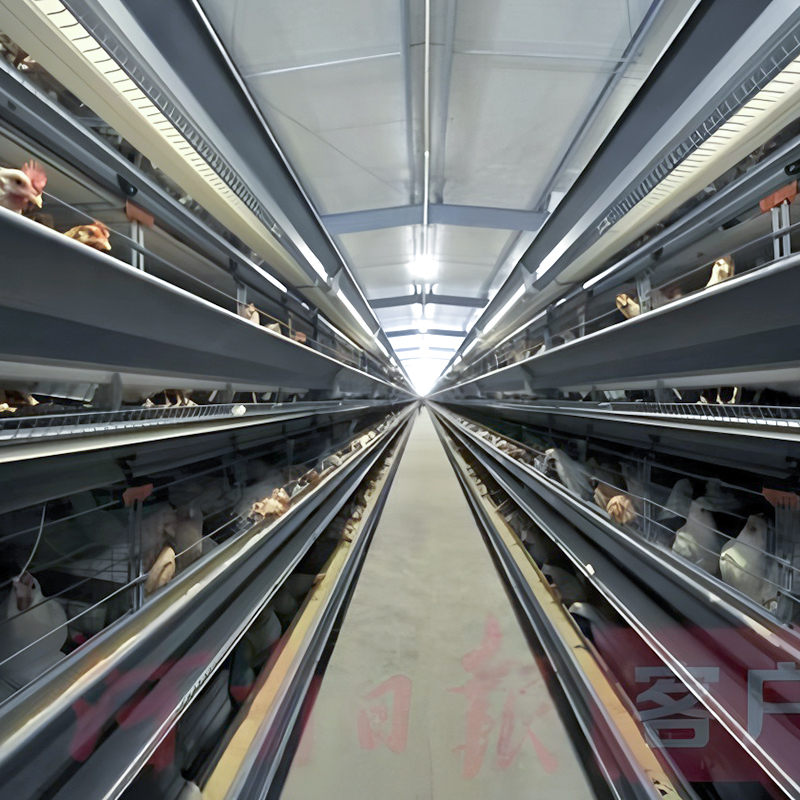
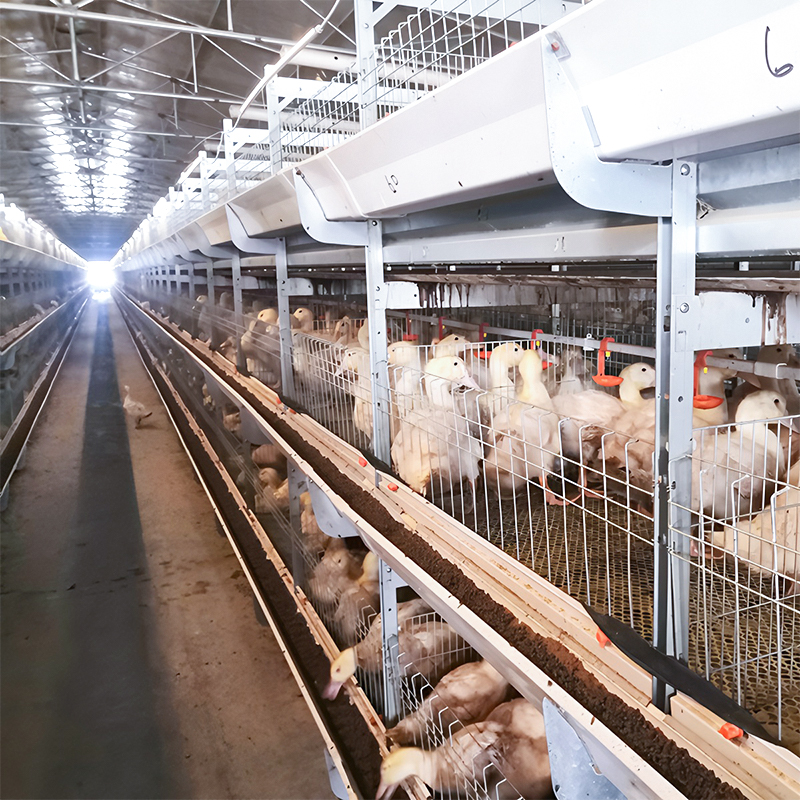
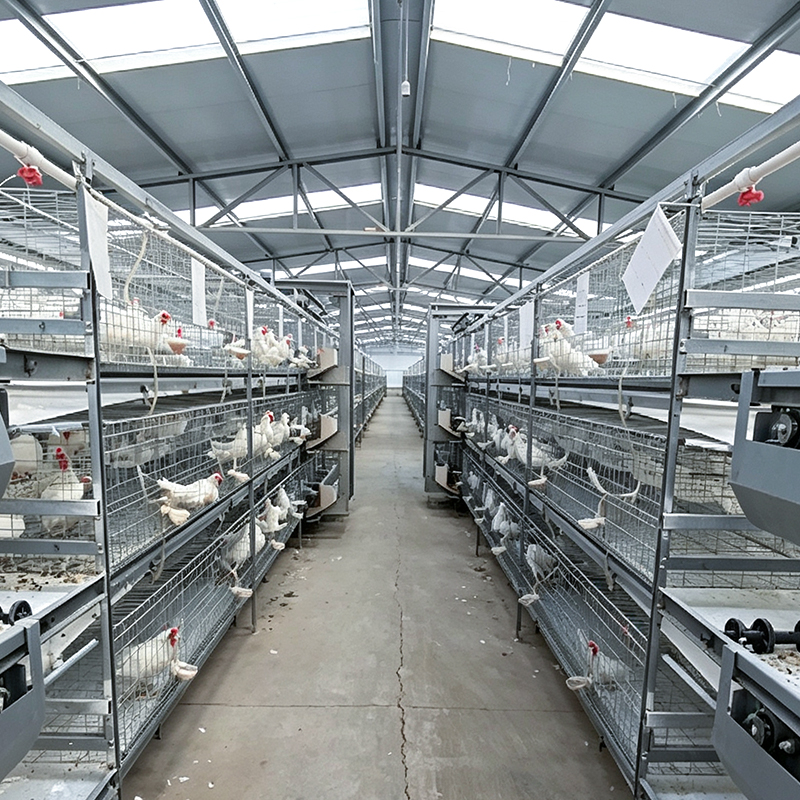
Cage system: Hot‑dip galvanized stacked/stepped cages, corrosion‑resistant, multi‑tier layout, adaptable to different cage‑space specifications for layers, egg‑laying ducks and egg‑producing pigeons.

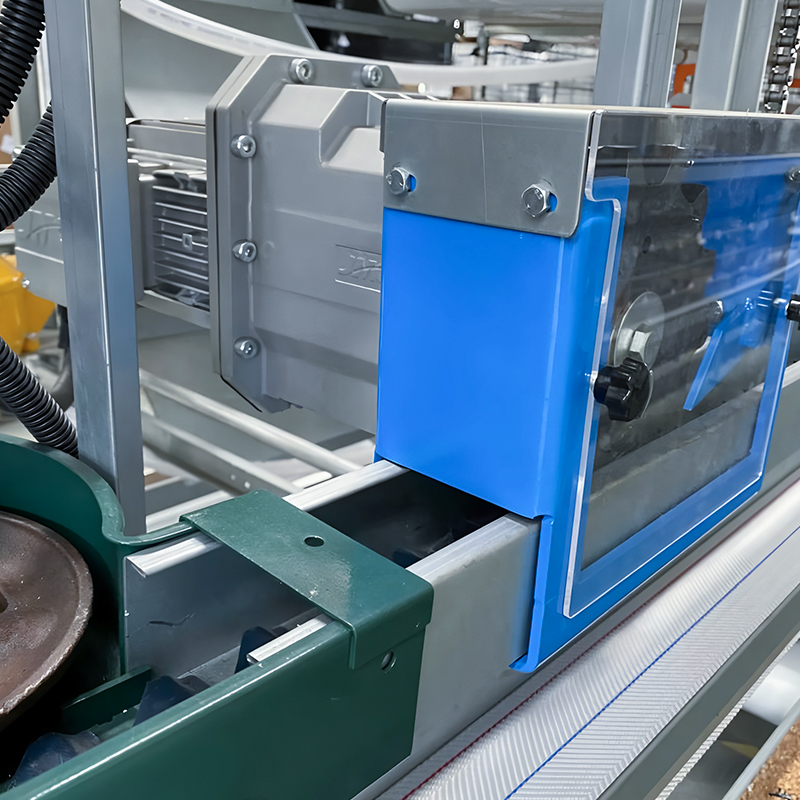
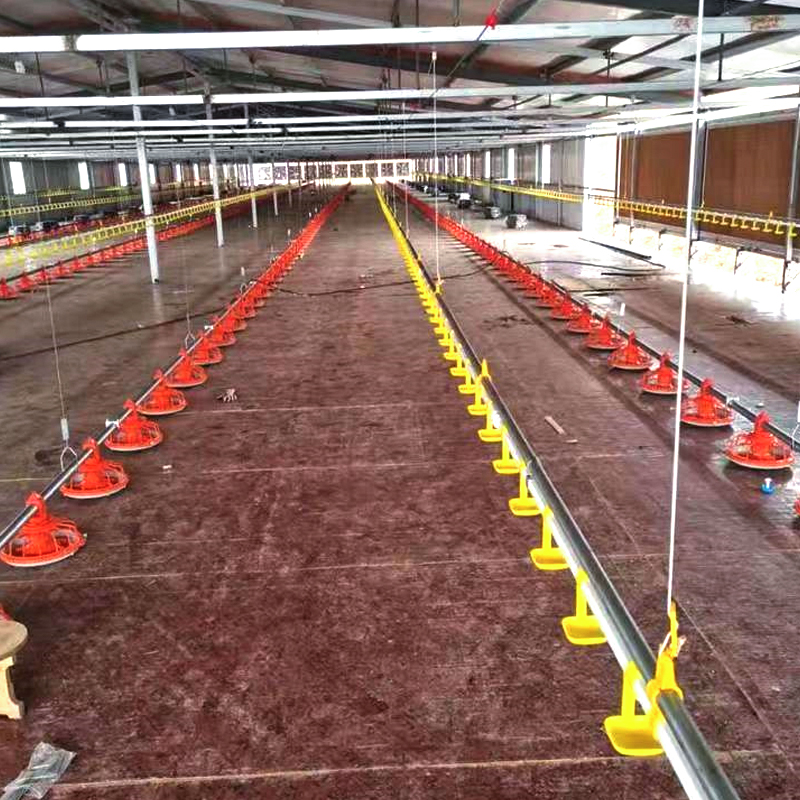
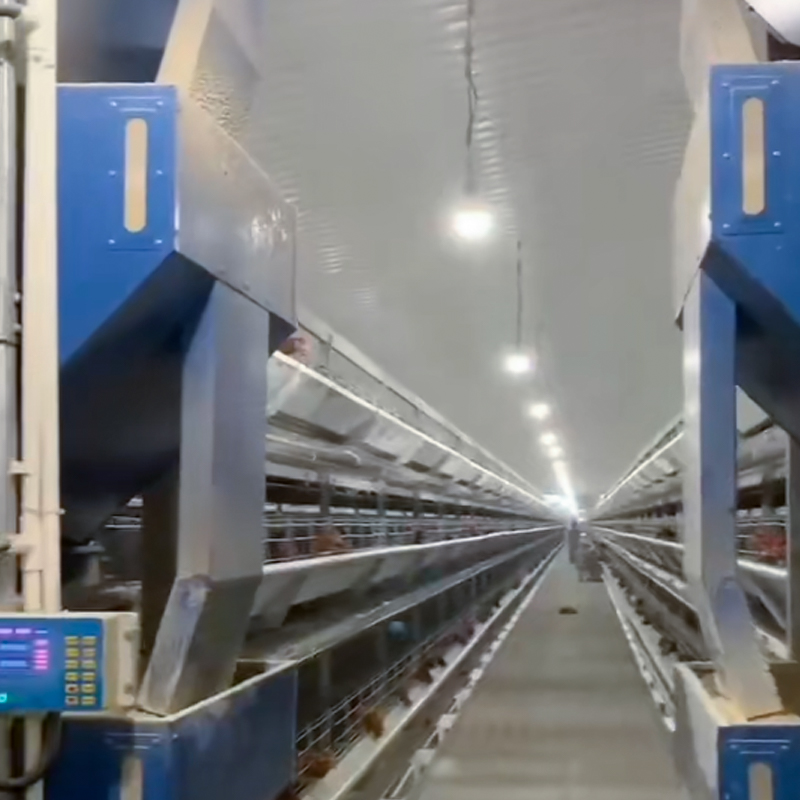
Feeding system: Outdoor feed silos, pan‑auger / travelling‑car feeding lines. Automatic timed & quantitative feeding, adjustable feed dosage according to bird age, reducing feed spillage and waste.

Drinking‑water system: Enclosed nipple‑drinker lines equipped with filtration, medication‑administration and water‑shortage alarm functions to reduce cross‑contamination of water sources.

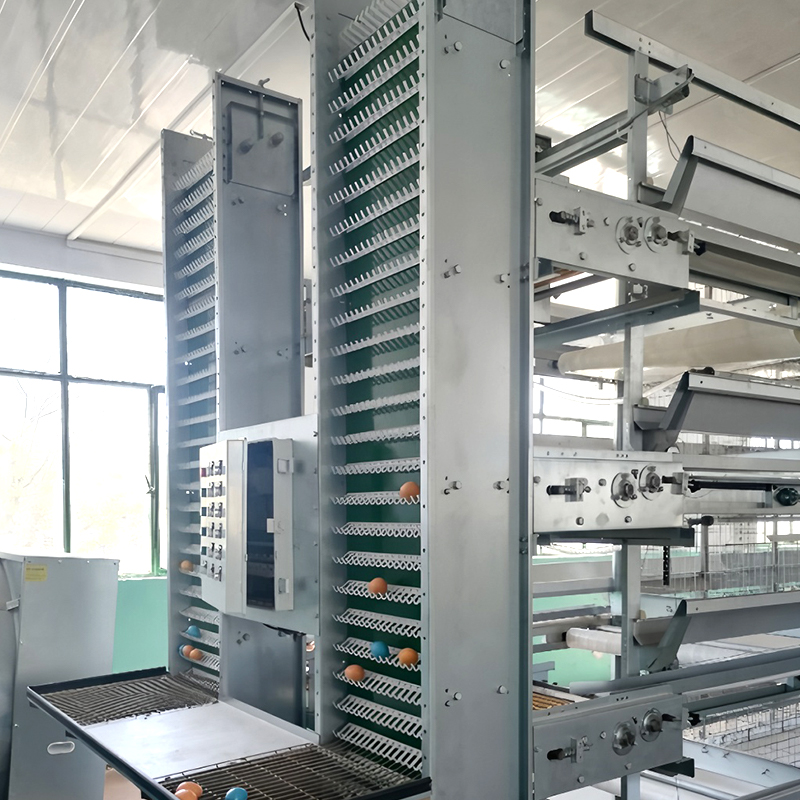
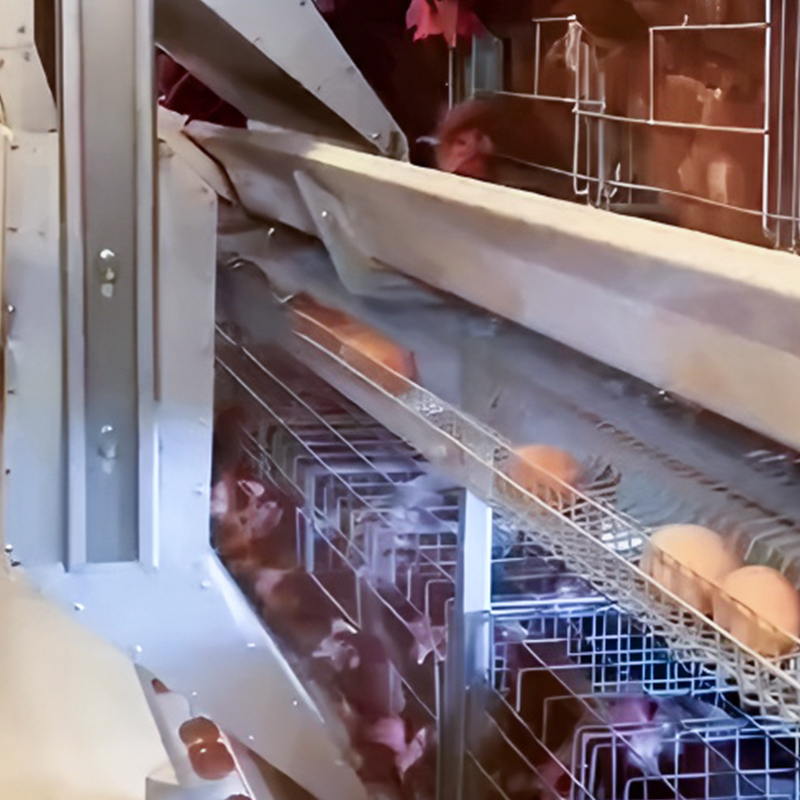
Egg‑collection system: Egg‑collecting conveyor belts under cages converge into the central egg‑transport line, automatically delivering eggs to the egg‑processing workshop and lowering egg breakage rates.

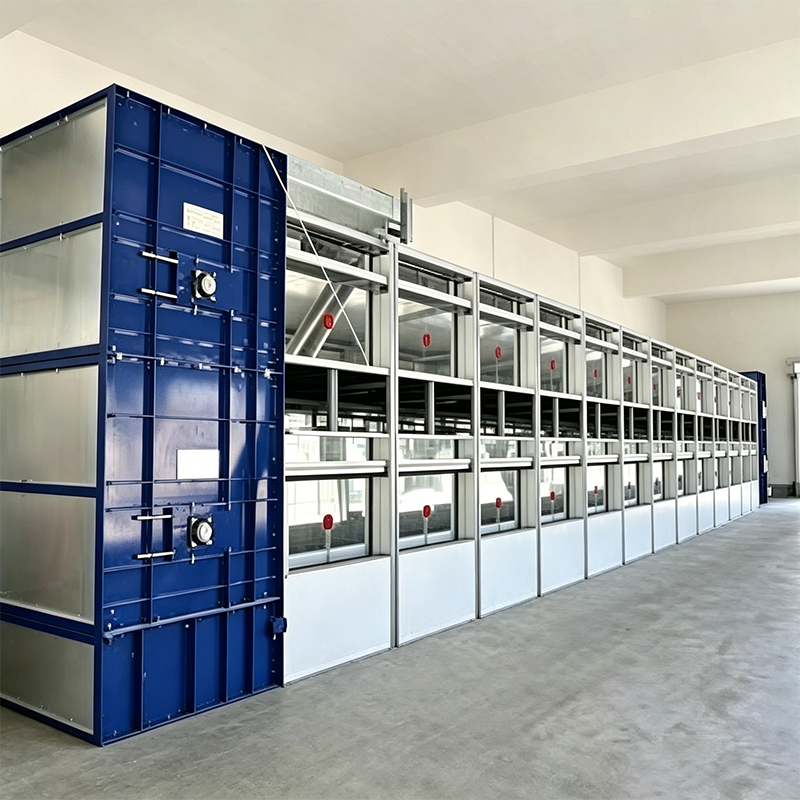
Manure‑removal system: PP manure‑removal conveyor belts with independent manure removal under each cage tier. Manure is conveyed out of the house in a sealed way to reduce ammonia concentration inside the poultry house.

Intelligent environmental‑control system: Fans, evaporative cooling pads, side air inlets, heating equipment and automatic lighting; sensors for temperature‑humidity, CO₂ and ammonia enable the system to automatically adjust ventilation, temperature and lighting duration so as to relieve poultry stress.

Central control platform: Central‑control large‑screen display, PLC control system, remote monitoring via mobile phone or computer, equipment‑fault alarm, full‑data recording of egg production, feed consumption and environmental indicators.

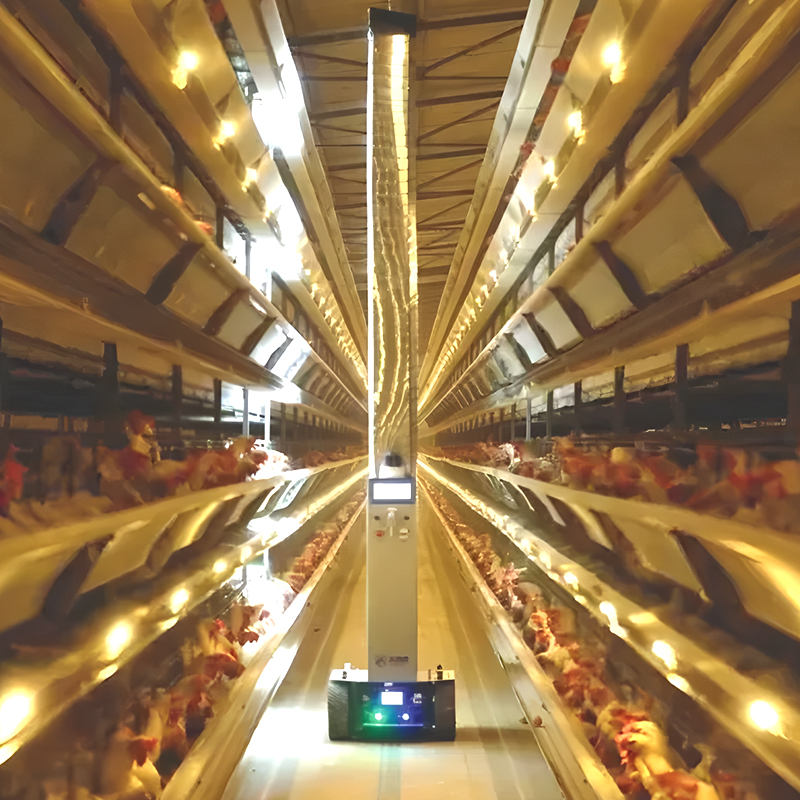
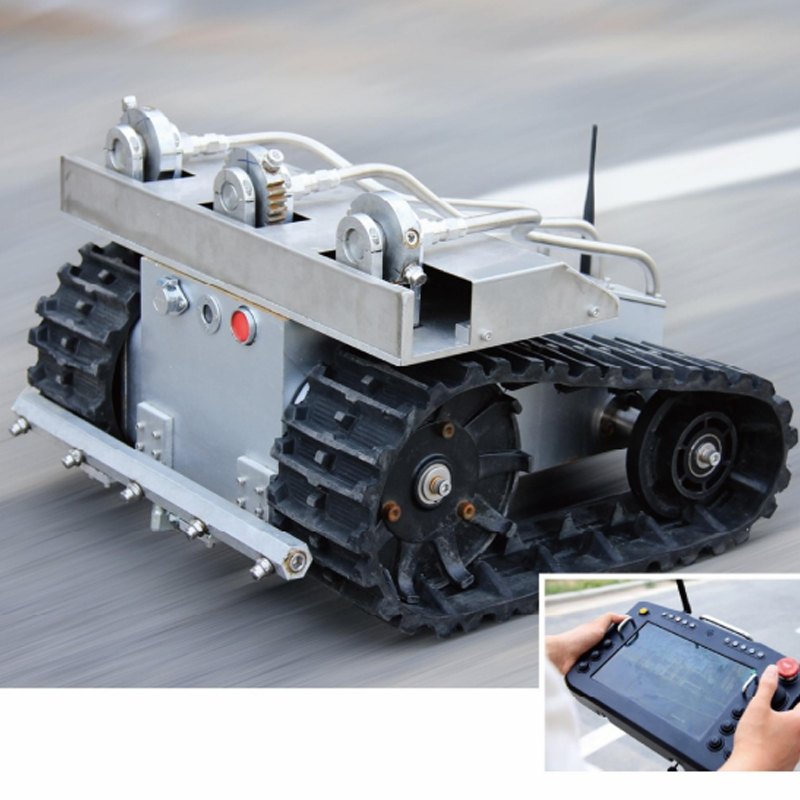
Optional intelligent modules: AI inspection robots, automatic atomization disinfection, automatic dead‑bird sorting, egg grading & packaging lines, manure‑fermentation organic‑fertilizer production equipment.

Complete Production Workflow

Chick / squab‑pigeon placement → automatic feeding & drinking → automatic environmental regulation → egg laying by poultry → automatic egg collection by conveyor belts → transportation to processing workshop → egg washing, crack optical inspection, weighing & grading, ink‑jet marking and packaging → finished‑product delivery.
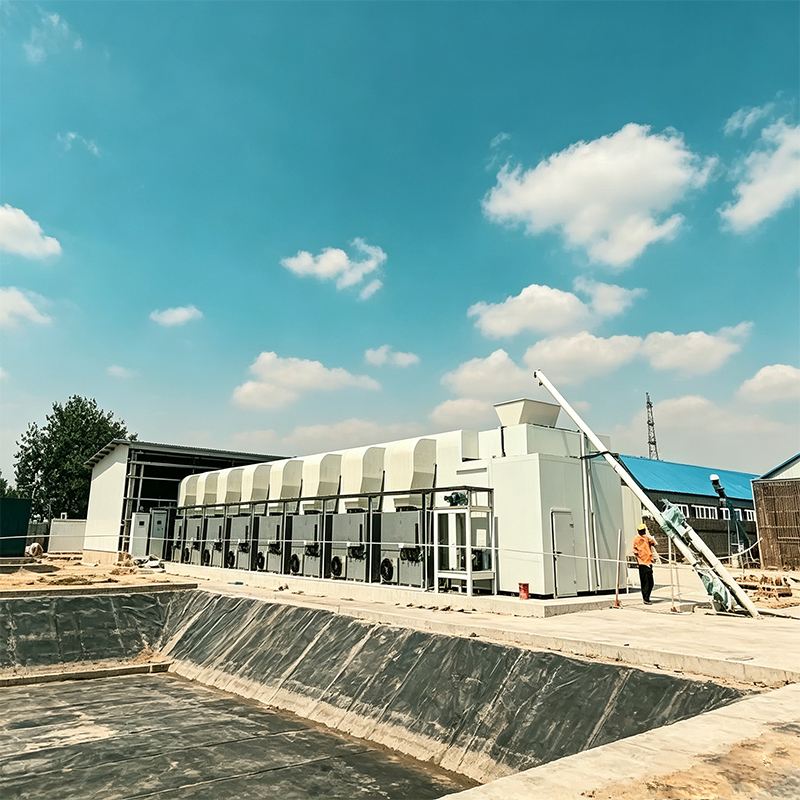
Cage manure is automatically transported out of the house, treated harmlessly and processed into organic fertilizer, forming a closed planting‑breeding recycling loop.

III. Supporting Service System

Preliminary planning & design services: Site survey, poultry‑house layout, cage‑quantity calculation, equipment selection, electrical & ventilation scheme design and investment‑budget compilation, tailored to customers’ target stocking scale.

Equipment manufacturing, installation and commissioning: Production of complete equipment, on‑site installation, wiring and debugging, linkage testing of the whole system including feeding, egg collection, manure removal and environmental control.

Personnel‑training services: Operation training for farm managers, electricians and keepers; training covering routine equipment maintenance, parameter setting and fault troubleshooting.

After‑sales operation & maintenance services: Regular on‑site inspection, supply of wearing parts, remote fault diagnosis, on‑site repair; software iteration and upgrading for the central‑control system.

Value‑added technical services: Farming‑process guidance, feed‑formula suggestions, disease early‑warning and manure‑treatment solutions. Some suppliers also provide farm‑management trusteeship and data‑management services.

Special renovation services: Automation‑renovation evaluation for old poultry houses; equipment upgrading based on existing buildings to cut new‑construction investment costs.

IV. Core Advantages of Automated Farming

1. Substantial labour saving and expanded stocking capacity per worker
Traditional manual farming allows one worker to manage several thousand birds. Under automated systems, a single operator can supervise 50,000‑100,000 egg‑laying poultry. Labour demand is reduced by 60%‑90%, easing labour‑recruitment difficulties and rising labour‑cost pressure.
2. Stable production performance and improved egg quality
Stable and controllable environmental parameters reduce poultry stress caused by abnormal temperature, ammonia concentration or lighting. Higher egg‑laying rates and an extended peak‑production period can be achieved. Automatic egg collection cuts human‑egg contact, significantly lowering egg breakage rates and improving egg cleanliness and high‑grade‑egg ratio, which facilitates branded‑egg production and egg traceability.
3. Fine‑grained feed and energy consumption management
Precise timed & quantitative feeding reduces feed spillage waste. Feed‑consumption data recorded by silo weighing sensors facilitates feed‑egg ratio calculation. The environmental‑control system intelligently starts and stops fans and cooling pads for reasonable water‑and‑electricity consumption control.
4. Improved biosecurity and lower disease risks
Enclosed poultry houses plus automatic manure removal prevent long‑term manure accumulation inside houses and reduce ammonia levels. Fewer staff enter the houses, lowering pathogen introduction risks. Automatic system alarms, combined with AI patrol inspection, enable timely detection and disposal of weak or dead birds, slowing down disease spread.
5. Standardized, replicable model for large‑scale expansion
Standardized full‑set farming procedures are independent of individual keepers’ experience differences. Full‑process data recording supports production review, cost accounting and product traceability, enabling large‑scale replication and new‑base expansion.
6. Environment‑friendly compliance and manure resource utilization
Sealed manure discharge reduces odour inside houses. Supporting manure‑fermentation equipment converts poultry manure into organic fertilizer, realizing planting‑breeding circulation and making it easier to pass environmental‑protection inspections.

Product Parameters:
1250×625×1300

3‑tier, 4‑tier, 5‑tier, 6‑tier (3+3), 8‑tier (4+4, 5+3), 9‑tier (5+4)

  • How long will it take to receive a reply after placing the inquiry?
  • Are you a factory or a trading company?
  • What products do you mainly offer?
  • Which fields does the product mainly apply to?
  • Do you support customized production?
  • Do you produce standard parts?
  • How is the company's production capacity?
  • What is the size of the company and its personnel structure?
  • How to ensure product quality?
  • What are the payment methods?
  • How to arrange the transportation of goods?
  • We can provide you with a satisfactory plan!

    What's your name?

    What's your email address?

    What's your telephone?

    Your message

    SEND
    About
    Jiangsu Huinong Jingmu Technology Co., Ltd.

    HuiNong specializes in the design, manufacturing and supply of automated poultry farming equipment. Focusing on broiler, layer, breeder and duck farming, we provide reliable equipment solutions covering housing systems, feeding and drinking systems, climate control systems and manure management systems.

    With professional engineering capabilities and flexible manufacturing resources, HuiNong helps customers select suitable equipment configurations based on farm scale, production requirements and investment plans, supporting the construction of efficient and reliable poultry farms worldwide. 

    Certificate of Honor
    News
    Layer Equipment Industry knowledge