II. Production System & Process
Hardware Equipment
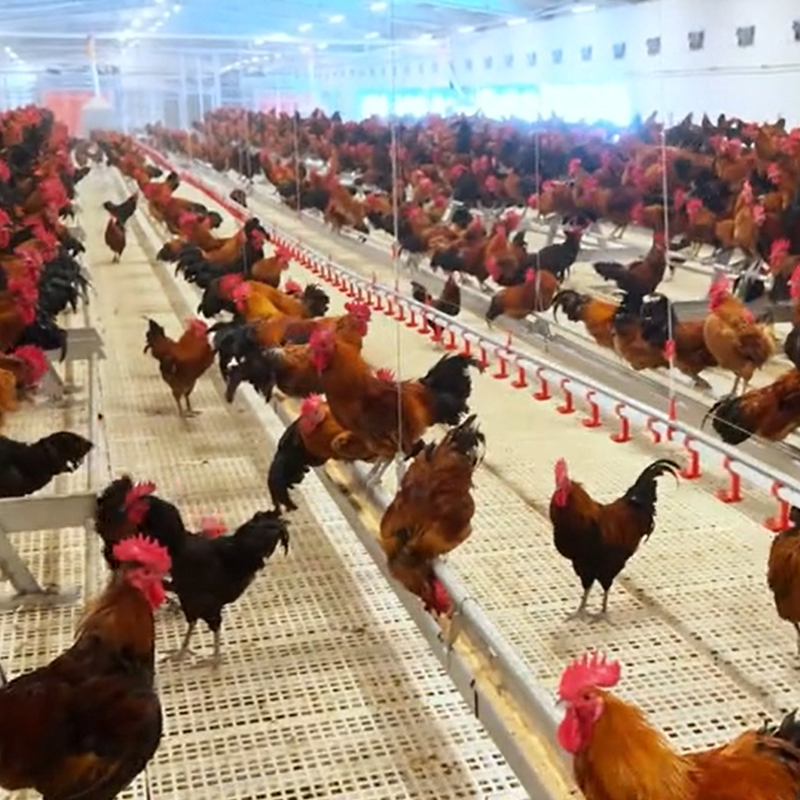
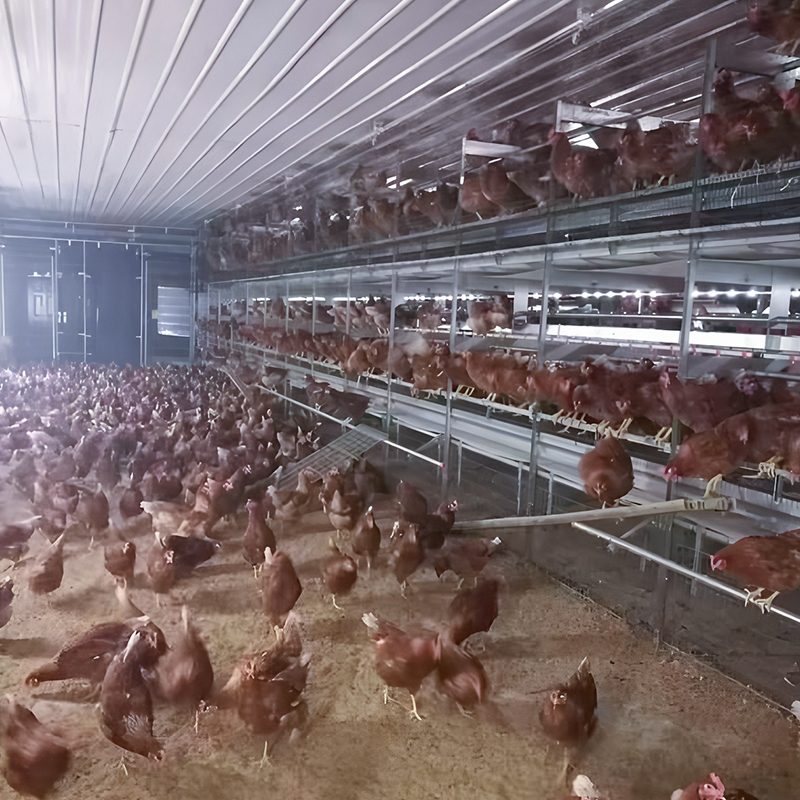
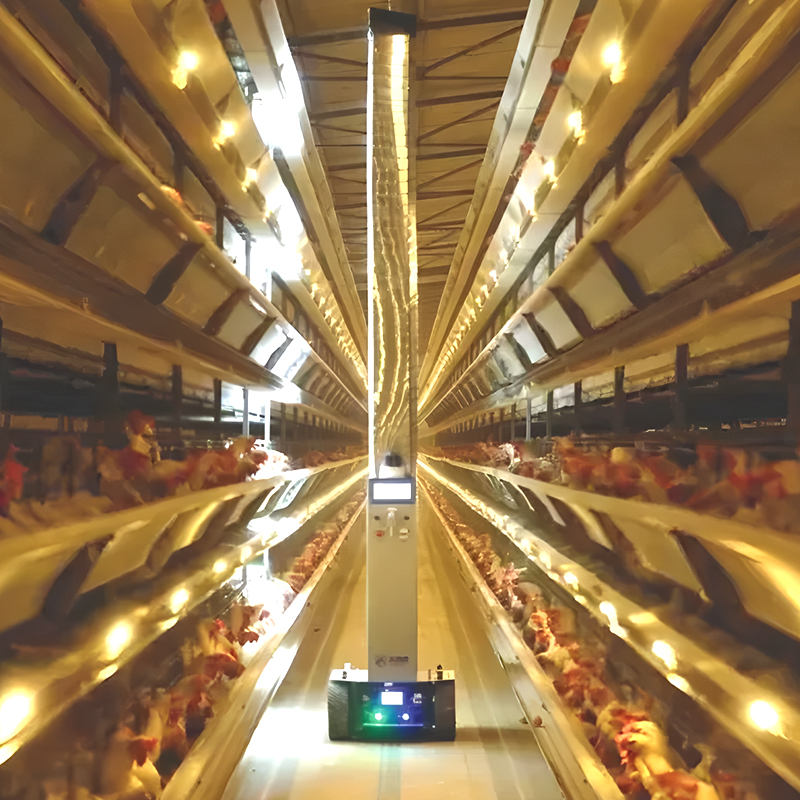
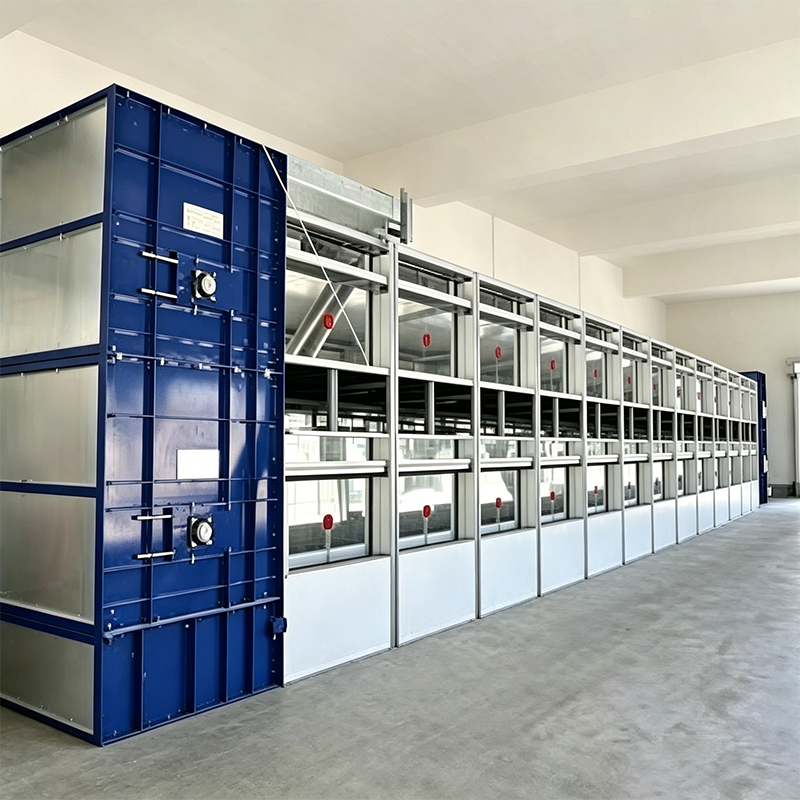
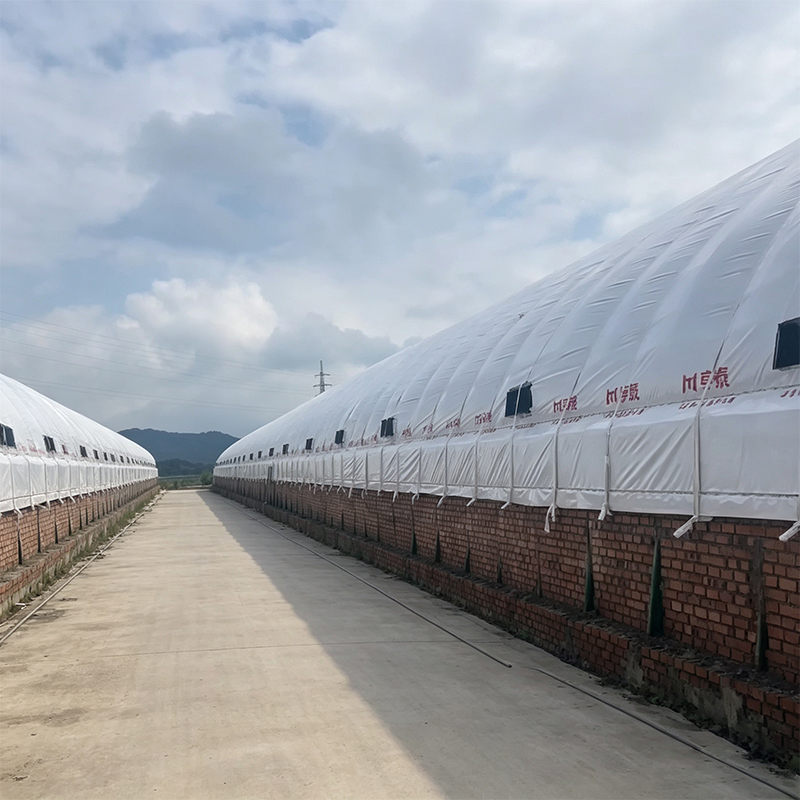
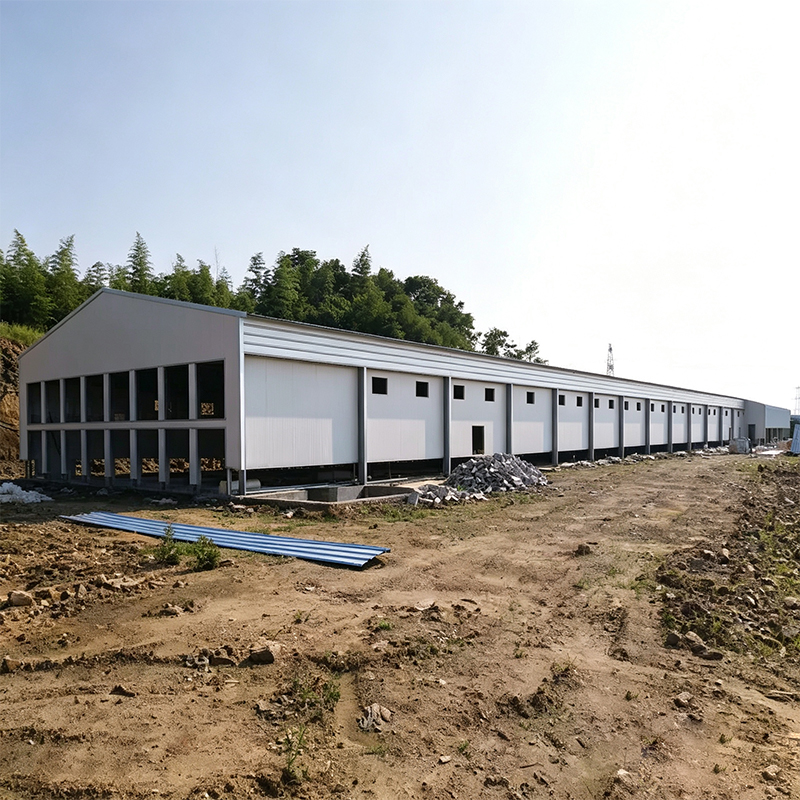
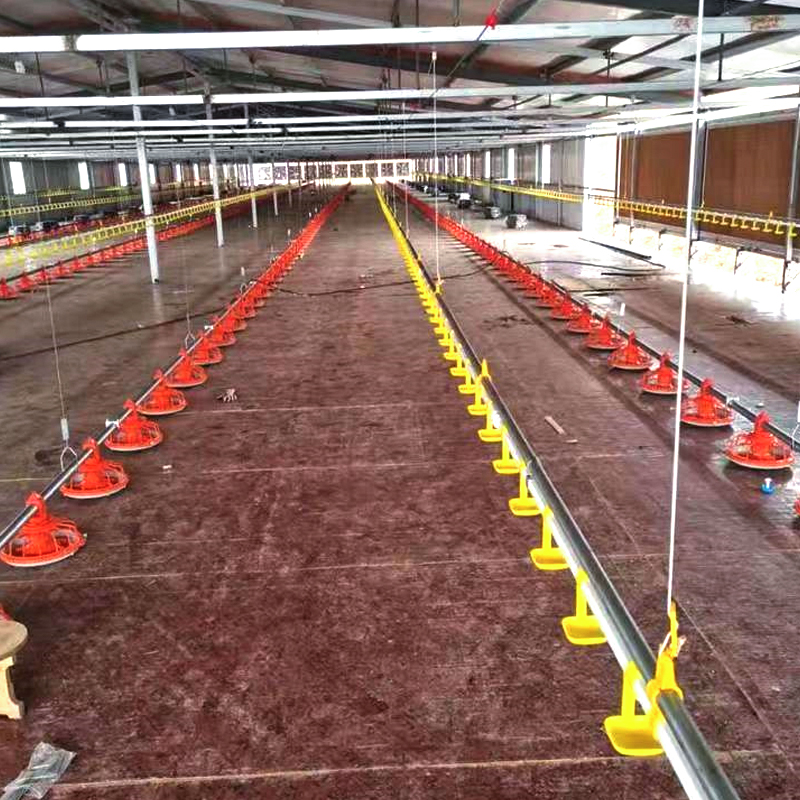
Indoor facilities: Perches, independent nesting boxes, litter / dust‑bathing zones, ramps (for inter‑tier passage in multi‑level barn systems).
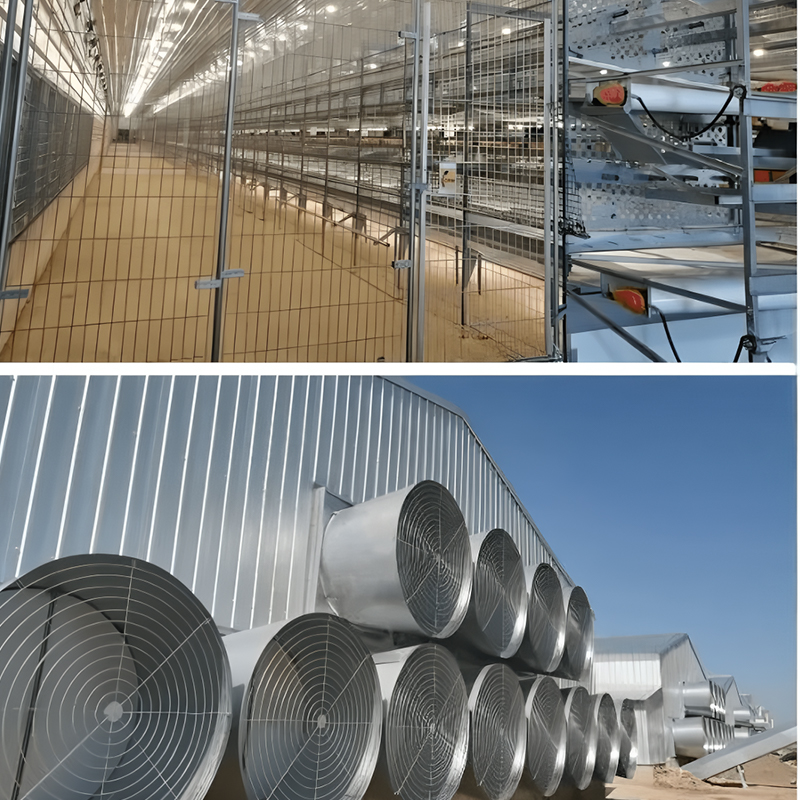
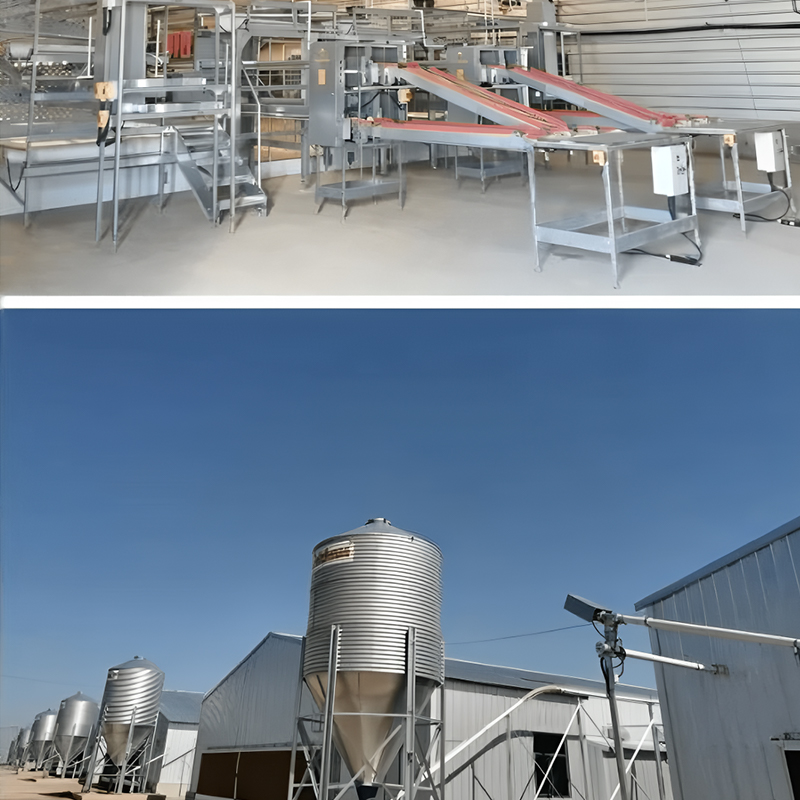
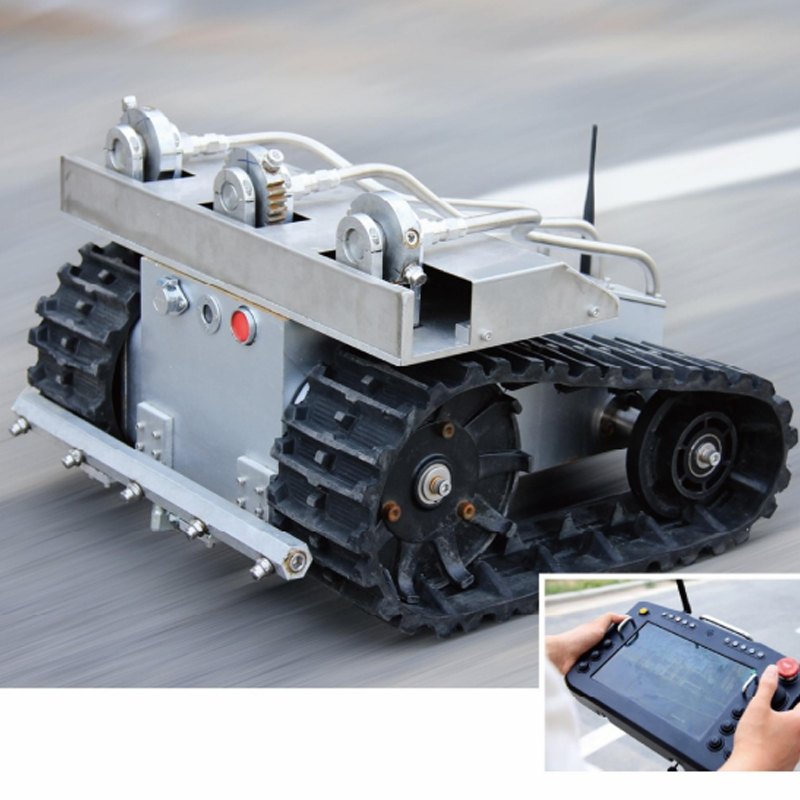
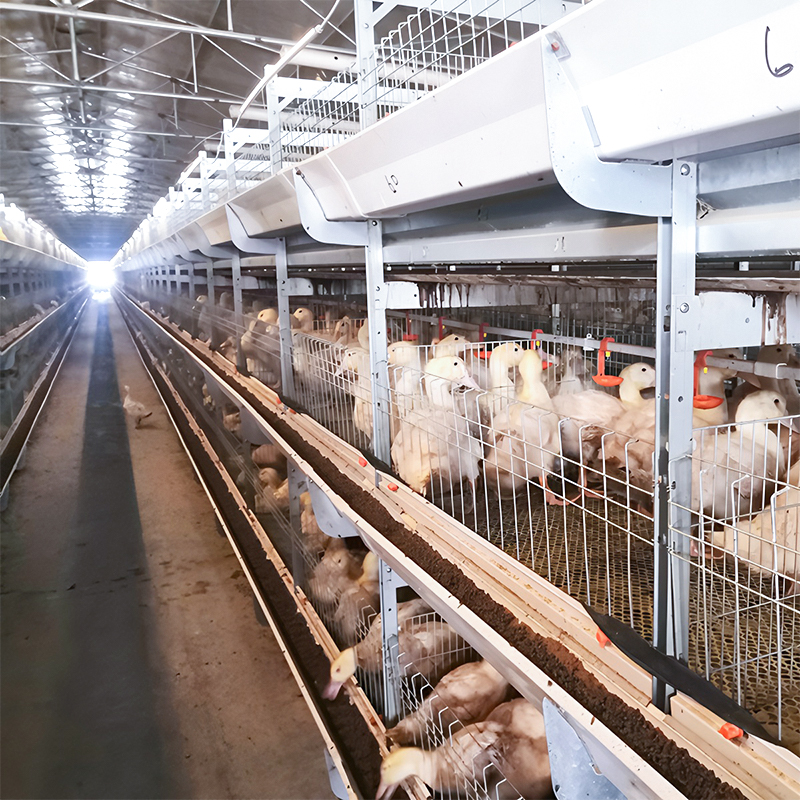
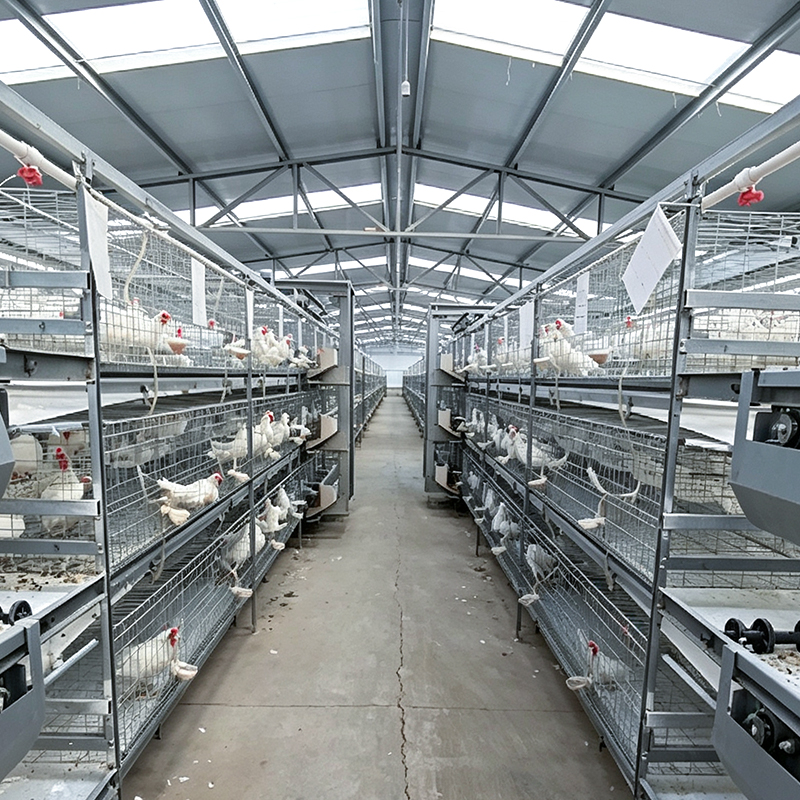
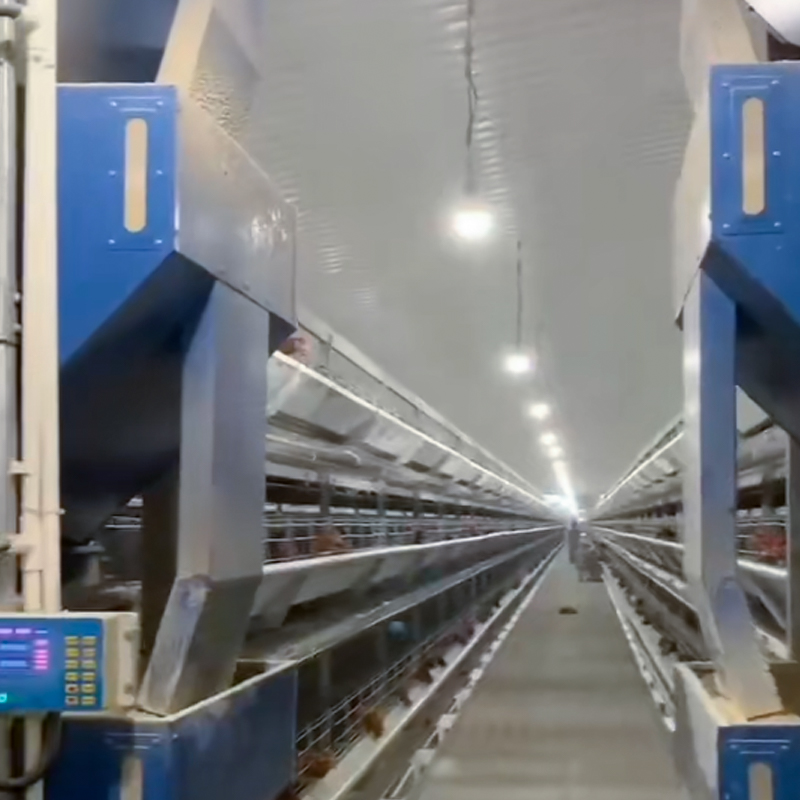
Automated systems: Travelling‑car / pan‑auger feeding lines, automatic drinking‑water supply, conveyor‑belt egg collection, PP‑belt manure removal; environmental‑control systems for temperature‑humidity, CO₂, ammonia and light‑cycle regulation. Some systems are equipped with AI‑powered behaviour monitoring to detect abnormalities such as feather pecking and bird crowding.
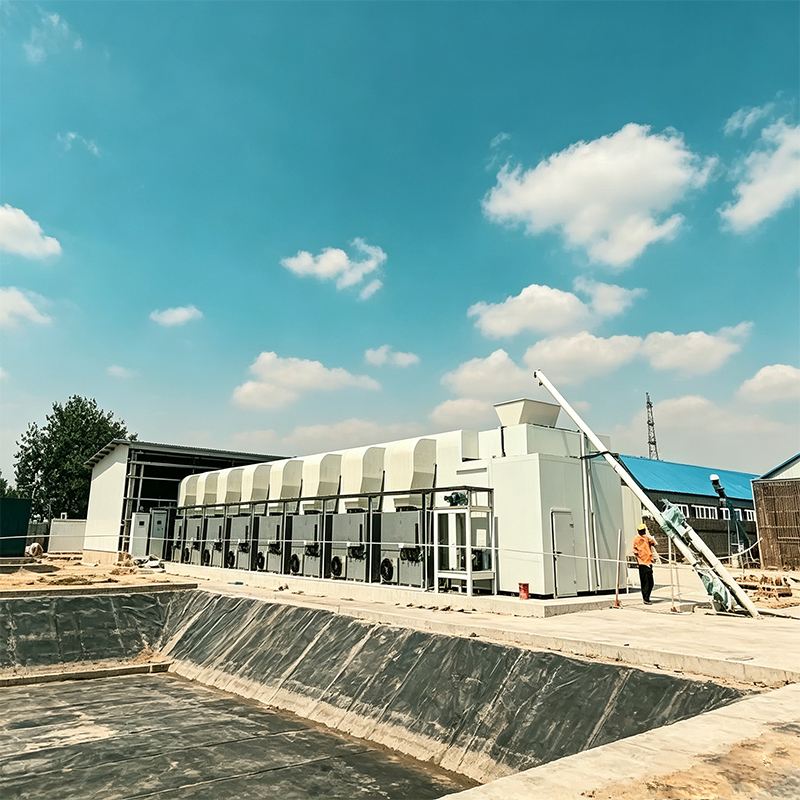
Manure treatment: Rapid manure separation, supported by composting and field‑return recycling solutions, to cut ammonia concentration inside the house and reduce the incidence of foot‑pad dermatitis.
Key Production & Management Guidelines
Stocking‑density control: For cage‑free barn systems, the stocking density is generally kept ≤ 9 birds / ㎡. Excessively high density will easily trigger pecking disorders. For enriched cages, the effective living area per bird shall comply with technical guidelines.
Lighting management: Simulate natural light rhythms and avoid high‑intensity lighting that may induce feather pecking.
Nutrition programme: Adopt precision‑formulated feed with increased crude‑fibre content to satisfy natural pecking instincts and reduce abnormal pecking behaviour. Minimise routine preventive antibiotic use and improve flock immunity via environmental optimisation and nutritional adjustment.
Priority‑controlled risks: Floor eggs, feather/cloaca pecking, foot‑pad dermatitis and mortality. Pullet‑phase taming and training are of vital importance.
Whole‑chain humane operation: Implement humane handling during hatching, transportation, loading‑unloading and culling‑out to minimise stress‑related injuries.
Production‑Performance Reference (Layers)
Cage‑free barn system: Peak laying rate reaches 85‑88%, slightly lower than that of conventional cage systems. It features an extended laying cycle and lower late‑stage mortality. Floor eggs may raise breakage risks, which shall be offset by optimised equipment configuration and farm management.
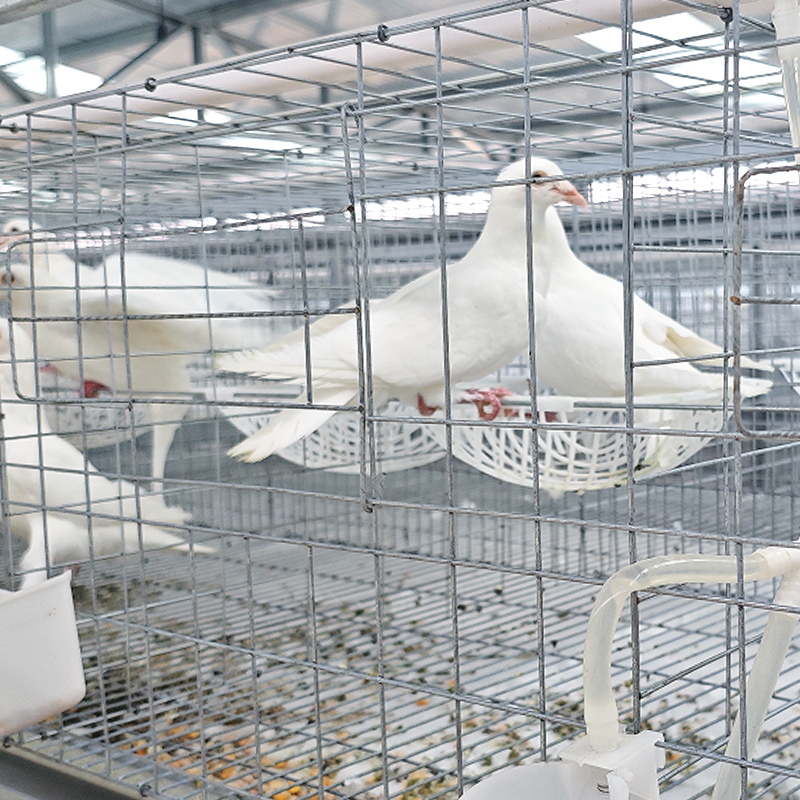
Enriched cages: Laying performance is close to conventional cage systems, with visibly improved skeletal health and feather condition.

 English